TL;DR
Plant-based protein powders offer a sustainable, nutrient-rich alternative to animal proteins. Advances in blends, taste, and eco-friendly sourcing make them a top choice for health-conscious consumers, athletes, and vegans alike.
Imagine fueling your body with a powder that’s not only packed with protein but also gentle on the planet. That’s the promise of plant-based protein powders. As more people shift toward cleaner, greener lifestyles, these powders are becoming staples in smoothies, baked goods, and meal prep.
In this guide, you’ll learn what sets plant proteins apart, recent innovations that make them tastier and more effective, and practical tips to choose and use them in your daily routine. Whether you’re vegan, lactose intolerant, or just curious about plant power, this article sheds light on what’s possible.
Mix multiple plant proteins to get all essential amino acids—think rice and pea for a complete profile.
Choose powders with minimal additives, organic labels, and transparent sourcing for better health and sustainability.
Recent innovations focus on improving taste, blending, and environmental impact, making plant proteins more accessible and enjoyable.
Plant-based proteins support muscle recovery, digestion, and overall wellness, especially when paired with a balanced diet.
Reading labels carefully helps you select the best product for your dietary needs and taste preferences.
What Exactly Are Plant-Based Protein Powders and Why Are They Popular?
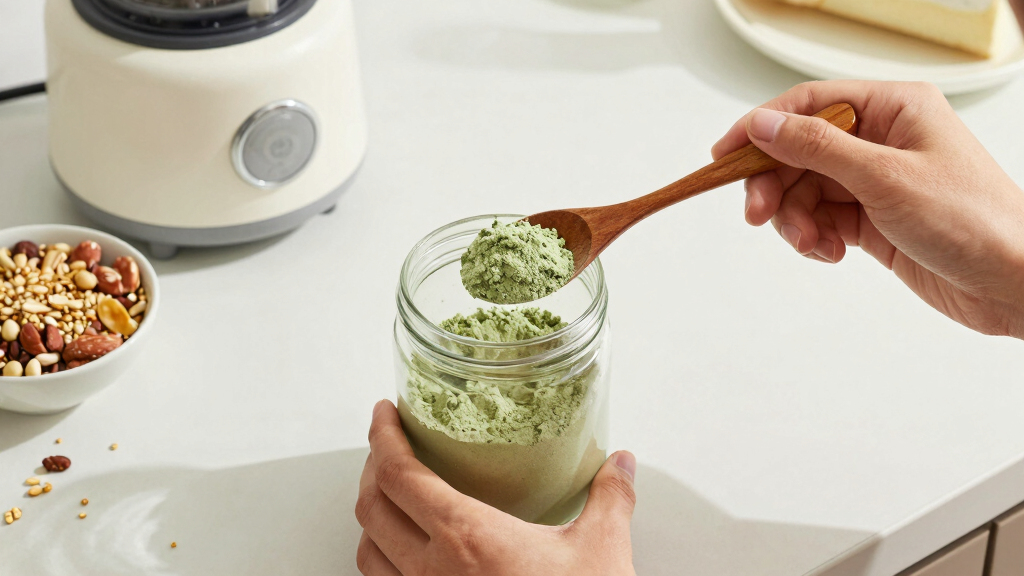
Plant-based protein powders are concentrated sources of protein derived from plants like peas, rice, hemp, soy, and seeds. They’re popular because they suit many lifestyles—vegan, vegetarian, or those seeking to cut down on animal products. Plus, they’re often easier on digestion, especially for people sensitive to dairy.
For example, a busy mom might blend pea protein into her morning smoothie to boost her day’s energy without feeling weighed down. Or a fitness enthusiast might choose hemp protein for its earthy flavor and omega-3 benefits.
Compared to animal proteins, plant powders usually contain less saturated fat and cholesterol. They also pack fiber and antioxidants, giving your body more of what it needs to thrive.
plant-based protein powder organic blend
As an affiliate, we earn on qualifying purchases.
As an affiliate, we earn on qualifying purchases.
How Do Different Plant Proteins Stack Up? The Best Options in a Quick Comparison
| Source | Completeness | Flavor & Texture | Best For |
|---|---|---|---|
| Pea | High in lysine, not complete alone | Neutral, smooth | Muscle recovery, baking |
| Rice | Low in lysine, needs blending | Mild, slightly gritty | Vegan shakes, smoothies |
| Hemp | Complete protein, contains omega-3 | Earthy, nutty | Whole-food style meals |
| Soy | Complete, high in protein | Beany, strong | Meal replacement, baking |
Most brands blend these sources for a complete amino acid profile, especially if you’re aiming for muscle support or balanced nutrition.
vegan protein powder with probiotics
As an affiliate, we earn on qualifying purchases.
As an affiliate, we earn on qualifying purchases.
What’s New? The Latest Innovations Making Plant Proteins Better Than Ever
Companies are combining multiple plant proteins to improve flavor, texture, and nutritional balance—think rice and pea blends for complete amino acids. Recent trends include organic, non-GMO powders with added superfoods like spirulina or chia seeds. These enhancements boost not just nutrition but also health benefits like antioxidants and fiber.
For instance, a popular brand now offers a vanilla-flavored organic blend fortified with probiotics, making it easier to digest while supporting gut health. Improved flavoring techniques reduce earthy or gritty tastes, turning these powders into delicious additions to your favorite recipes.
Market growth is driven by consumers’ desire for transparency and sustainability, pushing brands to innovate with eco-friendly packaging and sourcing practices.
pea rice hemp plant protein powder
As an affiliate, we earn on qualifying purchases.
As an affiliate, we earn on qualifying purchases.
How to Pick the Perfect Plant Protein Powder in 3 Simple Steps
- Check the amino acid profile: Look for complete proteins or blends that combine sources like rice and pea.
- Review ingredient list: Choose powders with minimal additives, fillers, and artificial flavors—prefer organic and non-GMO options.
- Consider your taste preference: Some have earthy, nutty flavors, others are neutral. Pick one that suits your palate and intended use (smoothies, baking, etc.).
For example, if you want a neutral flavor for baking, opt for unflavored, organic blends. If you love a nutty taste in smoothies, hemp or pumpkin seed powders might be your go-to.
complete plant protein powder for muscle recovery
As an affiliate, we earn on qualifying purchases.
As an affiliate, we earn on qualifying purchases.
Why Choosing Sustainable and Clean Label Options Matters
Picking plant proteins that are organic, non-GMO, and sourced sustainably isn’t just good for the planet—it often means better quality for your body. These powders typically avoid synthetic pesticides, fertilizers, and unnecessary processing.
For instance, brands that emphasize biodegradable packaging and carbon-neutral production show respect for the environment and transparency. This means you’re supporting companies that prioritize eco-friendly practices, reducing your overall carbon footprint.
Plus, clean labels often mean fewer artificial sweeteners, preservatives, and fillers—making your supplement safer and more natural.
Frequently Asked Questions
Are plant-based proteins complete proteins?
Some, like soy and quinoa, are naturally complete, offering all essential amino acids. Others, like rice or pea protein, might need to be combined with additional sources—such as hemp or chia—to ensure you’re getting a balanced profile.
How do plant-based protein powders compare to whey or animal proteins?
Plant proteins tend to be lower in calories and fat, suitable for vegans and those with dairy allergies. While their amino acid profiles might differ slightly, combining sources or choosing blends can match the muscle-building benefits of whey.
Are plant-based proteins safe and allergen-free?
Most are safe for the general population, but if you have allergies to seeds, nuts, or grains, always check labels. For example, someone allergic to sunflower seeds should avoid sunflower seed protein powder.
Can plant-based protein powders support muscle building?
Absolutely. When consumed in adequate amounts—usually around 20-30 grams per serving—and paired with strength training, they can promote muscle repair and growth just like animal proteins.
What should I look for in a quality plant-based protein powder?
Focus on complete amino acid profiles, organic certification, minimal fillers or artificial ingredients, and flavors that suit your taste. Reading reviews and checking sourcing details helps too.
Conclusion
Plant-based protein powders aren’t just a trend—they’re a practical, eco-friendly way to boost your nutrition. With new blends, better flavors, and a focus on sustainability, they’re easier to incorporate than ever.
Next time you reach for a supplement, consider how these powders can fuel your body and support the planet. Your health—and the earth—will thank you for it.