
TL;DR

Get health and wellness essentials delivered free with Prime
- Fast, free delivery on millions of items
- Prime Video, Amazon Music and more included
- Member-only deals all year
Plant-based protein powders are concentrated protein sources made from ingredients such as pea, soy, rice, hemp, and seeds; a serving often provides about 15–30 grams, but products vary. Compare the protein amount with serving size, ingredients, allergens, and any independent testing, then use a powder to complement a balanced diet rather than replace protein-rich foods.
A scoop can say “plant protein” in bold letters and still leave you guessing what is inside. One tub might deliver 25 grams of protein from pea and rice; another might offer less protein alongside sweeteners, gums, or added fiber.
This guide breaks down common sources, explains what to check on the label, and shows how to fit a powder into real meals. You’ll also see where the evidence is reassuring—and where your needs, allergies, and tolerance call for personalized advice.
Compare protein grams with serving size; many plant powders provide about 15–30 grams per serving.
Pea and soy contain all nine essential amino acids, while blends may complement the amino acid profiles of their ingredients.
Check sweeteners, added fiber, gums, and allergen information as well as the main protein source.
Use powder to fill a convenient gap; beans, lentils, tofu, tempeh, nuts, seeds, and grains remain useful protein sources.
Ask a qualified professional about supplements if you have a medical condition, are pregnant, or are choosing a product for a child.
What plant-based protein powders contain
Plant-based protein powders concentrate protein from legumes, grains, seeds, or blends. Pea, soy, rice, hemp, pumpkin seed, and chickpea are common sources. Processing separates or concentrates protein from the original food, which makes it easy to add to a drink or meal, but also means the powder is not nutritionally identical to the whole ingredient. For example, whole beans bring fiber and other nutrients along with protein; a powder may contain much less of those, depending on how it is made.
The source and the rest of the formula affect both usefulness and tradeoffs. Someone avoiding soy may find pea protein convenient, while another person may prefer soy’s familiar taste or a blend that mixes more smoothly. Flavorings, sweeteners, gums, vitamins, and added fiber can make a powder more pleasant or convenient, but they also change its ingredient list and may affect taste, texture, tolerance, or cost. Read the whole label rather than assuming the named protein is the only meaningful ingredient.
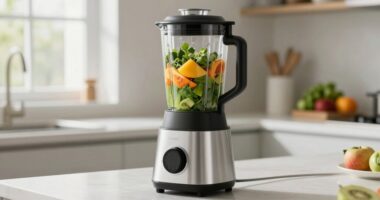
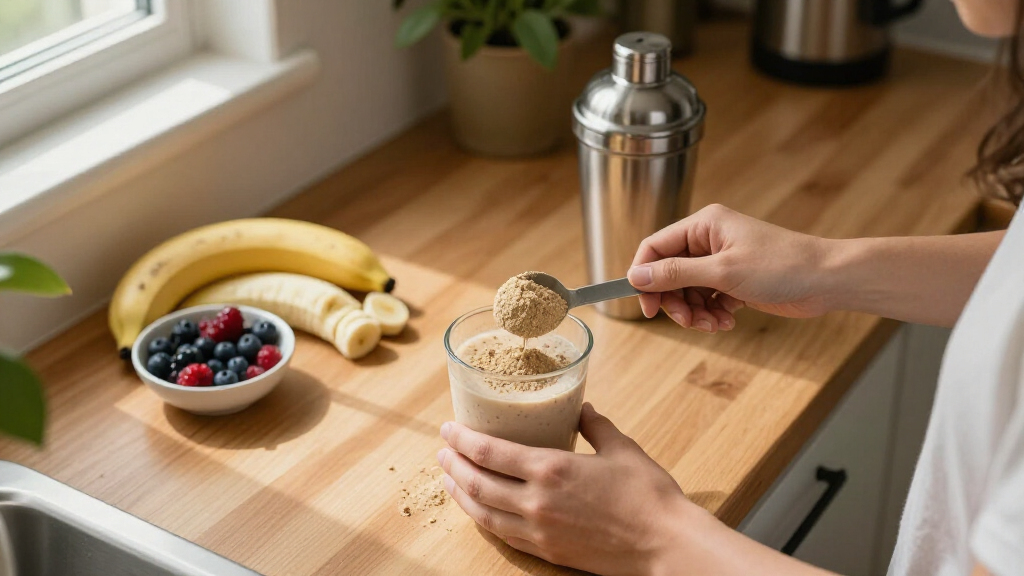
Imagine adding a scoop to a banana smoothie before an early commute. It can add protein quickly when cooking is not practical, but it does not automatically provide what breakfast made with tofu, toast, and fruit offers. Whole foods can bring protein together with fiber, texture, and variety, so a powder is most useful when convenience fills a real gap in your day.
How to read the label before you buy
Plant-based protein powders often provide about 15–30 grams of protein per serving, but serving sizes and formulas differ. The front of a tub may emphasize a large number without making clear how much powder you need to get it. Comparing protein grams with scoop size helps you see how concentrated the product is and whether the serving you would actually use fits your needs.
Use this quick label check when you’re standing in the store aisle or comparing tubs online:
- Check protein per serving and note how large that serving is. A larger scoop can provide more protein but may also mean more calories, ingredients, or cost per use.
- Scan the ingredient list for protein sources, sweeteners, gums, added fiber, and ingredients you prefer to avoid. These additions may improve flavor or mixing, but could change how the powder tastes or feels in your stomach.
- Read the allergen statement, especially if you react to soy or another listed ingredient. A protein source that otherwise looks suitable is not a good choice if it conflicts with your allergy needs.
- Look for independent testing if product identity or contaminants matter to you; certification can add a check on specified standards, though it does not establish a health benefit or guarantee that a product suits your diet.
For example, a 30-gram scoop that contains 20 grams of protein gives you a different ratio from a 40-gram scoop with the same protein. The remaining weight comes from other parts of the formula, and that may be perfectly reasonable if you like the taste and tolerate it. The comparison simply helps you decide whether the product’s serving size and price make sense for how you plan to use it.
How pea, soy, rice, and hemp differ
Plant-based powders differ in amino acid profile, flavor, texture, and how they fit individual diets. Soy and pea contain all nine essential amino acids, while a blend such as pea and rice can combine sources with complementary profiles. That does not make one formula automatically superior: the amount per serving, digestibility, taste, and whether you can eat the ingredient all affect whether a particular powder is useful to you.
Here’s a practical snapshot for choosing what to try:
| Source | What it may offer | What to check |
|---|---|---|
| Pea | Popular, flexible option; often paired with rice | Flavor and texture can vary by product |
| Soy | Provides all nine essential amino acids | Avoid it if you have a soy allergy |
| Rice | Often used in blends to complement other sources | Check the full protein profile and serving size |
| Hemp or seed | Offers a different source and taste | Compare protein per scoop and texture |
Say you’re choosing between a plain pea powder and a pea-rice blend for a post-workout smoothie. If both agree with your stomach, the blend may win if you prefer its texture, while the simpler powder may suit you if you want fewer ingredients. If one leaves a gritty layer at the bottom of the glass, that practical drawback can matter more than a small difference on paper: a powder you enjoy using is more likely to fit your routine.
Why protein quality depends on the whole day
Protein quality describes the amino acids a food provides and how well your body can digest and use them. Nine amino acids are essential because your body cannot make enough of them. Soy and pea contain all nine, but their amounts and digestibility can differ from one another and from animal proteins. This helps explain why a protein number alone does not tell the whole story; it describes quantity, while source and the rest of your diet help determine the broader amino acid picture.
A blend can help round out the profile of its ingredients, but you usually don’t need to combine proteins at every meal. Across a varied day, different foods can contribute different amino acids and nutrients. Lentil soup, toast, hummus, and tofu, for example, provide several sources without requiring you to calculate a precise combination for lunch. That flexibility makes a balanced eating pattern easier to maintain than trying to engineer every plate.
According to the research trends summarized in this article’s source brief, plant-based diets can support strength and fitness goals when total protein, energy, and training are adequate. In practice, a powder can make it easier to add protein, but it cannot make up for too little food or inconsistent training. Results depend on the product and the overall diet, so treat the scoop as one possible contributor rather than a shortcut. If you’re unsure how much protein fits your needs, a qualified dietitian or clinician can help personalize the advice.
How to use powder without replacing good food
A protein powder works best as a convenient addition when meals leave a gap in your day. Stirring it into oatmeal or blending it with fruit can increase a meal’s protein without much preparation. Whole foods such as beans, lentils, tofu, and seeds still offer useful variety and, in many cases, fiber and other nutrients that a powder may not provide. Thinking of powder as one ingredient among many helps keep convenience from turning into a default replacement for meals.
Suppose your morning is tight and breakfast is just coffee and a banana. A smoothie with soy or pea protein, oats, and berries may add protein and make that breakfast more substantial; it also gives you a way to eat when there is little time to cook. On a slower weekend, tofu, toast, and fruit may suit you better without any powder. The better choice depends on what is practical, satisfying, and affordable for you that day.
Protein needs vary with body size, age, health, activity, and goals, so one scoop amount can’t fit everyone. More powder is not automatically better if your meals already meet your needs, and the product should not displace foods you enjoy without a reason. People with kidney disease or other medical conditions, and people considering supplements during pregnancy or for a child, should ask a qualified healthcare professional before changing protein intake.
What to try if a powder upsets your stomach
Some people notice bloating after plant-based protein powders. The cause is not always obvious: the source, serving size, added fibers or sweeteners, and individual tolerance may each play a part. That matters because changing several things at once makes it harder to tell what is contributing. A product’s plant-based label does not guarantee that it will feel comfortable for you.
If your usual shake leaves you feeling uncomfortable, consider a smaller serving or compare it with a simpler formula that has fewer added ingredients. For instance, if a heavily sweetened powder with added fiber causes trouble but plain pea protein does not, that difference may help narrow down what suits you better. Make one change at a time and pay attention to whether the symptoms change; a smaller serving may help, but it does not identify an allergy or replace medical advice.
Start with what you tolerate: a shorter ingredient list can make it easier to spot what does—or doesn’t—work for you.
Stop experimenting and seek medical advice if symptoms persist or concern you. If you have a known allergy, read the full allergen information and avoid products that contain the ingredient; independent testing can offer additional checks, but it cannot predict how your body will respond.
How to judge green claims and testing
Plant proteins often have lower environmental impacts than many animal proteins, but the result depends on the crop, farming, processing, packaging, and transport. That makes broad comparisons a starting point rather than a precise measure of one tub’s footprint. A “better for the planet” message does not tell you which production choices shaped the product or how it compares with another plant powder.
Testing deserves the same close read. Supplements are not reviewed for effectiveness by regulators in the same way as medicines before sale, so shoppers may have less pre-sale assurance about claims. Independent programs may add checks for product identity or contaminants, but each program has its own scope. Certification can therefore help answer a narrower question about specified checks; it does not prove a particular health benefit, settle every quality concern, or guarantee a fit for your diet.
If two products suit your taste and budget, you might choose the one that clearly explains its ingredients and relevant testing. For example, a brand that identifies its protein sources and names an independent program gives you more concrete details to assess than a tub relying only on a leaf graphic and a broad natural claim. That transparency makes comparison easier, while your own allergy needs, tolerance, and preferences still determine whether the product is a sensible choice.
Frequently Asked Questions
Can plant-based protein powder help you build muscle?
Yes. Plant-based diets can support strength goals when your overall protein and energy intake are adequate and you train consistently. Powder is optional if your meals already meet your needs.
Do you need to combine plant proteins at every meal?
Usually not. Eating a variety of protein-containing foods across the day can supply essential amino acids, so you don’t have to combine specific ingredients in every meal.
Is soy protein safe for everyone?
Soy is a common food allergen, so people with soy allergy should avoid it. For most people, soy foods can fit into a balanced diet; ask a qualified professional about personal medical concerns.
How much plant protein powder should you take?
Needs vary with your body size, age, health, activity, and goals, so there isn’t one serving that fits everyone. Use a powder to complement your diet, and ask a clinician or dietitian before changing protein intake if you have kidney disease or another medical condition.
Can plant protein powder cause bloating?
It can for some people. The protein source, serving size, added fibers or sweeteners, and individual tolerance may contribute; a smaller serving or simpler formula may suit you better, while persistent symptoms call for medical advice.
Conclusion
Choose a powder by the label, your tolerance, and the job you need it to do. Start with the protein amount and serving size, then check ingredients and allergens; keep the rest of your meals full of foods you enjoy.
The right scoop should fit your day like a useful tool in the kitchen drawer: there when you need it, never a substitute for the whole meal.
Cold & flu season Picks
humidifiers
As an affiliate, we earn on qualifying purchases.