
Use this guide to compare plant-based protein powders, choose a product that fits your diet and routine, and mix a serving you can use consistently. It is for beginners who want a practical way to add protein to drinks or meals, whether they avoid dairy or simply prefer plant ingredients. Allow 30-45 minutes to compare labels and about 5 minutes to prepare each serving. Protein powder can supplement food, but it does not replace a varied diet or medical advice tailored to your health.

Get health and wellness essentials delivered free with Prime
- Fast, free delivery on millions of items
- Prime Video, Amazon Music and more included
- Member-only deals all year

Orgain Organic Vegan Protein Powder, Vanilla Bean, 2.03 lb
- ✔ Flavor: Vanilla Bean
- ✔ Net weight: 2.03 lb
- ✔ Protein per serving: 21 g
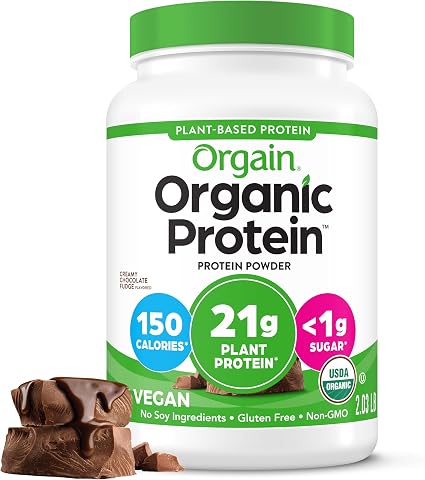
Orgain Organic Vegan Protein Powder, Creamy Chocolate Fudge, 2.03 lb
- ✔ Flavor: Creamy Chocolate Fudge
- ✔ Net weight: 2.03 lb
- ✔ Servings: 20

Orgain Organic Vegan Protein Powder with 50 Superfoods, Vanilla Bean, 2.02 lb
- ✔ Flavor: Vanilla Bean
- ✔ Container size: 2.02 lb
- ✔ Servings: 20
Difficulty: Beginner | Time: 30-45 minutes to compare products; 5 minutes per serving
What You’ll Need
Tools & Materials:
- A measuring scoop or kitchen scale
- A shaker bottle, blender, or cup and spoon
- Water or another liquid you enjoy
- A few product labels to compare
Knowledge:
- Basic ability to read a nutrition label and ingredient list
- Awareness of your food allergies and dietary restrictions
Set aside time to compare the serving size, protein amount, ingredients, and allergen statements. If you have kidney disease, are pregnant, take medication affected by food or supplements, or have a medically restricted diet, ask a qualified health professional which products and amounts suit you. Do not use a powder that contains an ingredient you are allergic to.
Orgain Organic Vegan Protein Powder, Vanilla Bean, 2.03 lb
Classic Vanilla Bean is our lead pick because it keeps the formula centered on the shared protein blend and can fit more than one kind of recipe. Each serving supplies 21 grams of protein from organic peas, brown rice, and chia, along with 6 grams of prebiotic fiber and 1 gram of sugar. Orgain says the powder can go into drinks, smoothies, oats, and baked goods, giving it a wider stated range of uses than a shake-only routine.Compared with the chocolate version, this one is the safer starting point for someone who does not want to commit to a cocoa flavor. It also avoids the superfood blend found in the third option, which may appeal to shoppers who prefer a shorter ingredient proposition. That simplicity does not make it a different protein formula: all three share the same primary sources and protein amount.The tradeoff is that the supplied description does not establish how well it dissolves or how pronounced the vanilla tastes. Buyers should also note the shared chia ingredient and that the stated 6 grams of fiber may be more than they want in a protein powder. We see this as the strongest all-purpose choice when the priority is organic protein with recipe flexibility, rather than a special flavor or added superfood blend.
Pros:
- Provides 21 g of protein per serving from organic pea, brown rice, and chia
- Includes 6 g of prebiotic fiber and 1 g of sugar per serving
- USDA Organic, vegan, gluten-free, kosher, and non-GMO
- Described for use in drinks, smoothies, oats, and baked goods
Cons:
- The supplied details do not establish flavor quality or mixability
- Contains chia and 6 g of prebiotic fiber, which may not suit every diet or preference
Best for: We recommend it for buyers seeking an organic vanilla protein powder for shakes, oats, smoothies, or baking.
Not ideal for: We would skip it if you avoid chia, want chocolate flavor, or prefer a powder with no added prebiotic fiber.
Bottom line: We rank this classic vanilla first for its straightforward organic blend and broad stated recipe uses.
“We rank this classic vanilla first for its straightforward organic blend and broad stated recipe uses.”
Orgain Organic Vegan Protein Powder, Creamy Chocolate Fudge, 2.03 lb
When cocoa flavor is the deciding factor, Creamy Chocolate Fudge gives us a clear alternative to the lineup’s two vanilla powders. It retains the same 21 grams of plant protein from organic peas, brown rice, and chia, plus 6 grams of prebiotic fiber. The listing specifies no added sugar, which distinguishes its stated formulation from the vanilla option, whose nutrition details list 1 gram of sugar per serving.That difference is useful, but it does not mean chocolate has a higher protein yield or a different protein base. Against the classic vanilla, this is primarily a flavor-led choice. Compared with Vanilla Bean with 50 Superfoods, it keeps to the same 6 grams of fiber rather than 8 and does not advertise the 50-superfood blend. That makes it a more direct fit for buyers who want their powder’s defining extra to be chocolate flavor.We would not choose it for someone unsure about chocolate: the product description itself notes that the flavor may not suit everyone. It lists 20 servings per container, and the provided information does not confirm texture or ease of mixing. We place it second because the flavor gives it a distinct role, while the standard vanilla remains the more adaptable recommendation when preferences are uncertain.
Pros:
- Provides 21 g of plant protein per serving
- Includes 6 g of prebiotic fiber per serving
- USDA Organic, vegan, non-GMO, gluten-free, and kosher
- Can be added to drinks, oats, smoothies, and baked goods
Cons:
- Chocolate flavor may not suit buyers who prefer neutral or vanilla powders
- The container is listed as 20 servings, and the supplied details do not confirm mixability
Best for: We recommend it for buyers who prefer a chocolate flavored powder and want no added sugar stated in the formula.
Not ideal for: We would skip it if chocolate is not a reliable favorite, or if you specifically want the 50-superfood blend or higher fiber of the other vanilla option.
Bottom line: We recommend this version when chocolate flavor and a no-added-sugar formula matter more than a vanilla profile or extra fiber.
“We recommend this version when chocolate flavor and a no-added-sugar formula matter more than a vanilla profile or extra fiber.”
Orgain Organic Vegan Protein Powder with 50 Superfoods, Vanilla Bean, 2.02 lb
This Vanilla Bean formula is for shoppers who want more than the standard protein-and-fiber blend. It supplies 21 grams of protein from organic pea, brown rice, and chia, then adds a blend of 50 organic superfoods. Its 8 grams of prebiotic fiber per serving are the highest in this group, two grams above both the classic vanilla and chocolate options. That makes it the lineup’s most distinctive nutritional profile, though the extra fiber and ingredients are reasons to choose it only if they match your priorities.Compared with the classic vanilla, the superfood version keeps the same flavor family and protein amount but adds the blend and raises fiber from 6 to 8 grams. Against Creamy Chocolate Fudge, it trades cocoa flavor and a no-added-sugar claim for vanilla, 1 gram of listed sugar, and the superfood addition. Buyers should not assume those extra ingredients make it a more complete protein: all three share the same stated plant protein sources and 21-gram serving.The product is listed at 160 calories per serving, compared with 150 for chocolate. It also contains chia, which may rule it out for some shoppers, and the 50-ingredient blend is less appealing if you want a simpler formula. We rank it third because its higher fiber and broader ingredient mix suit a more specific preference than the everyday flexibility of the classic vanilla. The description does not establish taste or mixability.
Pros:
- Provides 21 g of protein per serving and all nine essential amino acids, according to the product details
- Includes 8 g of prebiotic fiber per serving, more than the other two options
- Adds a blend of 50 organic superfoods
- USDA Organic, vegan, gluten-free, kosher, and non-GMO
Cons:
- Contains chia, which may not suit buyers avoiding that ingredient
- The added superfood blend and higher fiber may be unnecessary for shoppers seeking a simpler powder
- The supplied details do not establish flavor quality or mixability
Best for: We recommend it for buyers who want vanilla protein with the highest stated prebiotic fiber in this comparison and an added organic superfood blend.
Not ideal for: We would skip it if you want a simpler ingredient profile, avoid chia, or do not want the extra fiber and superfood blend.
Bottom line: We choose this vanilla version for buyers who specifically value 8 g of fiber and the 50-superfood blend.
“We choose this vanilla version for buyers who specifically value 8 g of fiber and the 50-superfood blend.”
As an Amazon Associate we earn from qualifying purchases.
Before You Start
Decide what you want the powder to do: add protein to a breakfast, make a convenient drink after exercise, or help meet a dietary target set with a health professional. Do not assume that more protein per scoop means a product is better for you. Powders differ in serving size, calories, sweeteners, texture, and added ingredients. Read the label for the amount in the full serving, not just a stated amount per smaller portion. If you are new to a product, buy a small container when available so you can check its taste and tolerance before committing to a large supply.
Step-by-Step Instructions
Step 1: Set your reason for using powder
Write down when you plan to use the powder and what it needs to fit: for example, a quick breakfast drink, a smoothie, or an addition to oatmeal. Check how much protein you already get from meals before deciding that you need a supplement. If a clinician or dietitian gave you a specific protein target, use that target when comparing products. Otherwise, treat powder as a convenience food rather than a requirement.
Tip: A powder is easiest to use when it solves a specific routine problem, such as having little time to prepare breakfast.
Check: You can describe when you will use the powder and what role it will have in your meals.
Step 2: Check ingredients and allergen statements
Read the complete ingredient list and allergen statement on each candidate package. Common protein sources include peas, soy, rice, hemp, and blends of several plants. Check for allergens or ingredients you avoid, including soy, nuts, sesame, or flavorings that may not suit your diet. Review warnings about shared equipment or possible cross-contact if you have a serious allergy. Confirm that any vegan, gluten-free, or other dietary claim matches your needs.
Tip: The protein source and allergen statement matter even when the front of the package says plant-based. Plant-based does not automatically mean allergen-free or suitable for every diet.
Check: You have removed any product with an ingredient or allergen warning that conflicts with your requirements.
Step 3: Compare nutrition per serving
Compare products using the labeled serving size. Note grams of protein, calories, added sugars, and sodium per serving, along with any nutrients you specifically need to monitor. Check whether the scoop size is realistic for your routine and whether the label counts a blend as one serving. Choose a product that fits your intended use rather than selecting only by the largest protein number. If you are following a clinician’s nutrition plan, compare the figures against that plan.
Tip: Serving sizes vary. A powder with more protein per scoop may also have a much larger scoop, so compare the full nutrition information and serving weight.
Check: You can state how much protein and how many calories the serving adds to your usual food or drink.
Step 4: Choose a texture and flavor you will use
Pick a flavor that works with your planned drink or recipe. Unflavored powder is useful in savory foods or recipes where you do not want sweetness; flavored powders may suit smoothies or shakes. Check the ingredients for sweeteners and thickening agents if you dislike their taste or texture. When possible, start with a sample or small package. Product reviews can suggest common texture issues, but your own taste is the best test.
Tip: Pea and rice blends, for example, may taste or feel different from soy or hemp powders. The plant source alone does not predict whether you will enjoy a particular product.
Check: You have selected a product whose flavor, ingredient list, and serving size suit your planned use.
Step 5: Prepare the first serving as directed
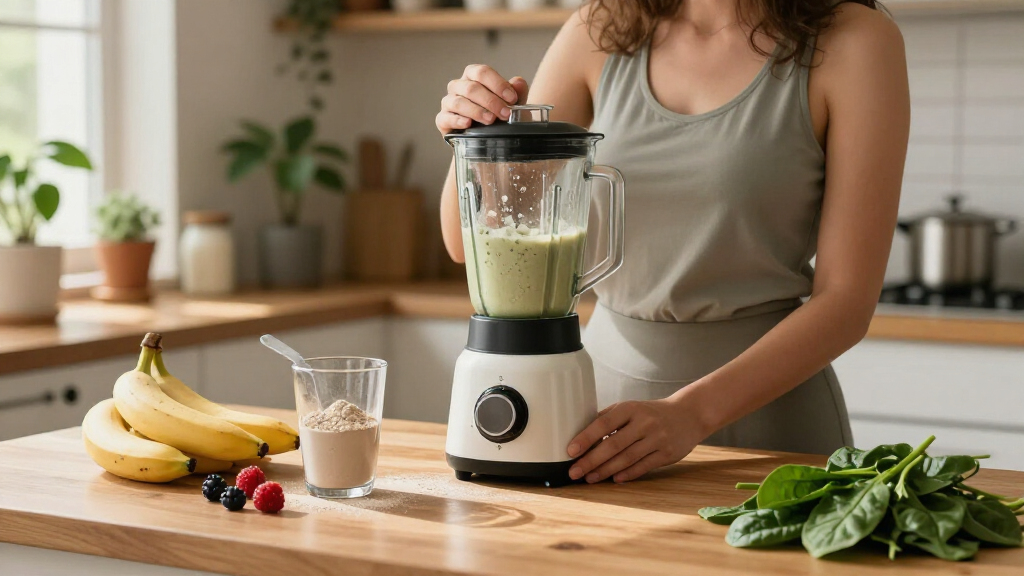
Measure one serving using the package directions. Add the powder to the amount of liquid listed on the label, or begin with a little more liquid if you prefer a thinner drink. Put the liquid in the shaker or blender before adding powder to reduce clumping. Shake or blend until the drink looks evenly mixed. Follow package storage directions, and do not use a serving scoop as a substitute for a kitchen scale when precise measurement matters.
Tip: Do not add several scoops to compensate for an uncertain serving size. Check the label and measure one serving first.
Check: The drink has no dry pockets or large clumps, and you used the labeled serving amount.
Step 6: Try the serving and adjust one detail
Drink the first serving at a time when you can notice how its flavor, fullness, and texture suit you. If it is too thick, add liquid next time; if it is too bland, blend it with fruit or another food you already enjoy. Change one detail at a time so you can tell what improved the result. Stop using the product if you develop signs of an allergic reaction, and seek urgent care for severe symptoms such as trouble breathing or swelling of the face or throat.
Tip: A powder can feel different when mixed with water, plant milk, or food. Keep the serving amount stable while you find a method you like.
Check: You know whether the product and preparation method are comfortable and practical for you.
Step 7: Store and track your use
Close the container after each use and store it as the package directs, away from moisture and heat. Keep the scoop clean and dry. Note the serving amount and how you used it, especially if you are tracking protein intake with a dietitian. Check the expiration date and discard the powder if its packaging is damaged or it develops an unusual smell, appearance, or texture.
Tip: A damp scoop can introduce moisture into the container and affect the powder’s quality.
Check: The container is sealed and stored according to its label, and you can repeat the serving method that worked.
Common Mistakes to Avoid
- Comparing protein numbers without checking serving size. — Compare protein, calories, and other label values for the full labeled serving, and check the serving weight.
- Assuming plant-based means safe for every allergy or dietary restriction. — Read the ingredient list and allergen warning each time you choose a product, including cross-contact statements.
- Adding extra scoops because a drink seems low in protein. — Measure the labeled serving and account for protein from the rest of your meals before adding more.
- Buying a large container before trying the taste and texture. — Choose a sample or smaller package first when available, then buy more if it works for you.
Troubleshooting
Problem: The powder forms clumps.
Solution: Put liquid in the shaker or blender first, add the measured powder, and shake or blend thoroughly. Add a little more liquid if the mixture is very thick.
Problem: The drink tastes too sweet or has an aftertaste.
Solution: Try an unflavored or less sweet product, or mix the current serving with more liquid or unsweetened ingredients. Check the label for sweeteners before buying another flavor.
Problem: The powder causes stomach discomfort.
Solution: Stop using it and review the ingredients, serving size, and any added fibers or sweeteners. Do not retry it if you suspect an allergy; ask a health professional if symptoms continue or you need help choosing an alternative.
Problem: You cannot tell whether the product fits your nutrition needs.
Solution: Write down the protein and calories per serving and compare them with your normal meals or the target from your clinician or dietitian. Ask that professional for help if you have a medical nutrition plan.
What Success Looks Like
You have chosen a powder whose ingredients and allergen information fit your needs, understand the nutrition in one labeled serving, and can prepare it without persistent clumping. You know when you plan to use it, how it tastes and feels, and how to store it. The powder adds a measured amount of protein to your routine without replacing meals or conflicting with advice for a medical condition.
Next Steps
Use the powder only when it helps your routine, and keep getting protein from a range of foods such as beans, lentils, tofu, nuts, seeds, and whole grains. Recheck the label if you switch flavors or brands, since ingredients and serving sizes can change. Review your intake with a dietitian or clinician if your health, activity, appetite, or nutrition goals change. Replace the product when it runs out only if the taste, tolerance, and label still suit your needs.
Frequently Asked Questions
Do I need a blend of plant proteins?
Not necessarily. Powders may use one plant source or a blend. Compare the product’s nutrition label and ingredients, then choose one that fits your diet and planned use. A varied diet across the day can include different protein-rich plant foods; a blend is not automatically required.
Can I mix plant protein powder with water?
Yes, if the package directions allow it. Water keeps the drink simple, while plant milk or a smoothie changes its flavor and nutrition. Add liquid before the powder and adjust the amount to reach a texture you enjoy.
When should I drink a serving?
Use it at a time that fits your routine, such as with breakfast or after exercise. There is no universal time that suits everyone. The amount you need depends on your overall diet and any health guidance you have received.
How do I know if a powder is vegan?
Read the ingredients and look for a clear vegan claim on the package. Check for animal-derived ingredients such as whey, casein, or honey, and contact the manufacturer if the label does not answer your question about processing or cross-contact.
Fall Picks
fall essentials
As an affiliate, we earn on qualifying purchases.