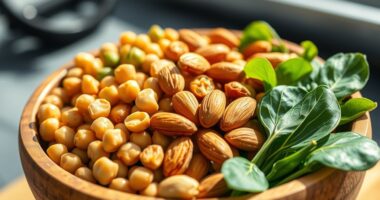
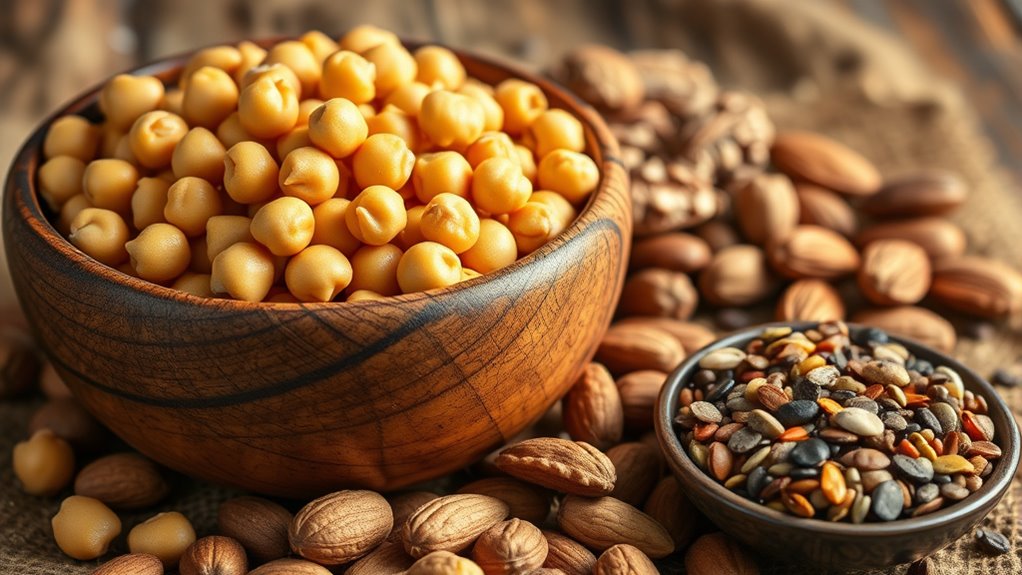

Beyond soy, you can explore a variety of plant-based proteins from nuts, seeds, and legumes. Nuts like almonds, walnuts, and cashews are rich in healthy fats and protein, while seeds such as chia, flax, hemp, and pumpkin offer versatile, nutrient-dense options. Legumes like lentils, chickpeas, and beans are also great sources. Incorporating these into your diet boosts protein, fiber, and micronutrients, and if you keep exploring, you’ll discover even more nutritious choices.
Key Takeaways
- Nuts like almonds, walnuts, and cashews are rich in plant-based protein and healthy fats.
- Legumes such as lentils, chickpeas, and black beans are excellent protein sources beyond soy.
- Seeds like hemp, chia, flax, and pumpkin provide complete or high-quality plant proteins.
- Incorporating nut butters, seed toppings, and legume-based dishes boosts protein intake naturally.
- These options are sustainable and environmentally friendly alternatives to soy for plant-based diets.
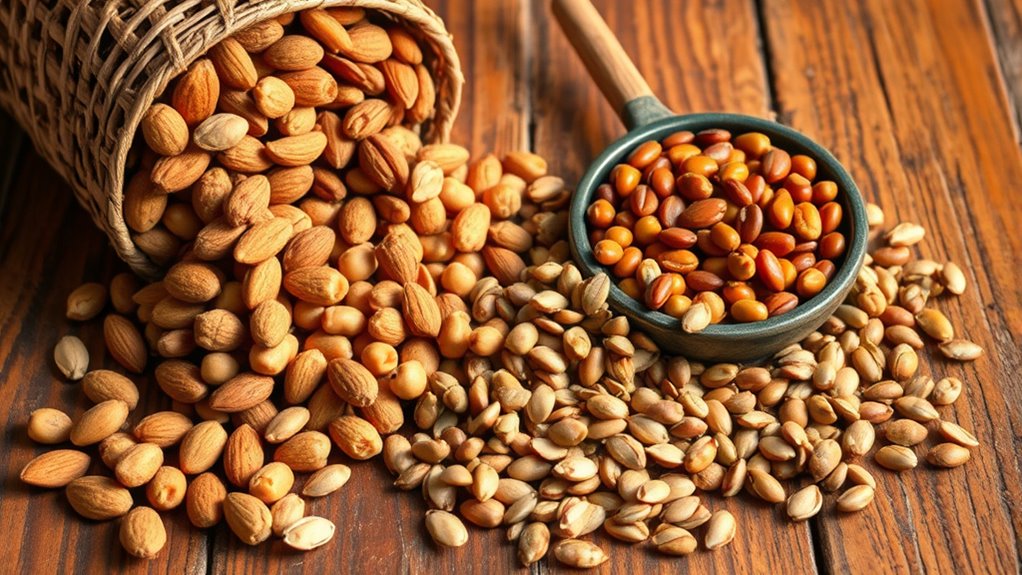
While soy has long been a popular plant-based protein, there are plenty of other nutritious options to explore. If you’re looking to diversify your diet, nut-based proteins and seed protein options offer excellent alternatives that pack a punch in both flavor and nutrition. Nuts like almonds, cashews, and walnuts aren’t just tasty snacks—they also contain significant amounts of protein that can complement your plant-based meals. You might add almond butter to your smoothie or snack on a handful of mixed nuts to boost your daily intake. These nut-based proteins often come with healthy fats, fiber, and essential micronutrients, making them a well-rounded addition to your diet.
Seed protein options, on the other hand, are gaining popularity for their high protein content and versatility. Seeds such as chia, flax, hemp, and pumpkin seeds are rich in protein and provide other crucial nutrients like omega-3 fatty acids, fiber, and antioxidants. Chia seeds, for instance, can be soaked to create a nutritious pudding or sprinkled over cereals and salads. Hemp seeds offer a complete plant protein with all nine essential amino acids, making them a particularly valuable addition if you’re aiming for a balanced plant‑based diet. Pumpkin seeds, also known as pepitas, can be roasted and added to trail mixes or salads, delivering a crunchy texture along with their nutritional benefits. Incorporating nut and seed proteins into your meals is straightforward. Nut butters spread on whole-grain bread or mixed into oatmeal can increase your protein intake effortlessly. Seeds can be blended into smoothies, mixed into granola, or used as toppings for yogurt bowls. These choices not only diversify your protein sources but also provide different flavors and textures that keep your meals interesting. Additionally, many seed protein options, like hemp and chia, are easy to prepare and store, making them convenient staples in your pantry.
Choosing nut-based proteins and seed protein options can also have environmental benefits, as they generally require less water and land than animal products. They’re sustainable, nutritious, and versatile—perfect for building a balanced, plant-based diet. So, next time you’re planning your meals, consider these alternatives to soy. They’ll add variety, flavor, and essential nutrients, helping you meet your health goals while enjoying a diverse array of plant-based proteins.

365 by Whole Foods Market, Organic Creamy Almond Butter, 16 Ounce
Made with organic stuffing mix
As an affiliate, we earn on qualifying purchases.
As an affiliate, we earn on qualifying purchases.
Frequently Asked Questions
Which Plant-Based Protein Source Has the Highest Bioavailability?
You’ll find that legumes generally have higher bioavailability for protein absorption compared to nuts and seeds. This is because legumes contain fewer anti-nutrients that can hinder protein digestion, making their bioavailability factors more favorable. When choosing plant-based sources, opt for cooked lentils or chickpeas; they offer better protein absorption. Keep in mind, processing methods and preparation also influence bioavailability, so proper cooking enhances nutrient uptake.
Are Nut and Seed Proteins Complete Proteins?
You might think nuts and seeds are a straight shot to complete proteins, but they’re more like a mixed bag. Most nut and seed proteins aren’t complete on their own because their amino acid profiles lack certain essential acids. However, combining different nuts and seeds can create a balanced amino acid profile, making your nut combination a smarter way to guarantee you get all essential amino acids, like hitting two birds with one stone.
How Do Plant-Based Proteins Compare to Animal Proteins Nutritionally?
Plant-based proteins often have a different amino acid profile and lower protein digestibility compared to animal proteins. You might find that animal proteins provide all essential amino acids in a more easily absorbed form, making them more complete. However, by combining various plant sources like nuts, seeds, and legumes, you can improve your intake of complete proteins and enhance overall amino acid balance for better nutritional benefits.
Can Plant-Based Proteins Support Muscle Building Effectively?
You can definitely build muscle with plant-based proteins, as they support muscle recovery effectively. Did you know that some legumes and seeds have protein absorption rates comparable to animal sources? By choosing a variety of nuts, seeds, and legumes, you guarantee adequate amino acids, fueling your muscles and aiding recovery. Consuming enough total protein is key — so don’t underestimate the power of plant-based options for strength and growth.
What Are the Environmental Impacts of Sourcing Nuts, Legumes, and Seeds?
Sourcing nuts, legumes, and seeds can impact the environment, but sustainable farming practices help minimize these effects. You can support biodiversity preservation by choosing products grown with crop rotation and reduced water use. Organic farming methods reduce chemical runoff, protecting ecosystems. By prioritizing these practices, you help lower carbon footprints and promote healthier soils, ensuring that your plant-based choices are environmentally responsible and contribute to the preservation of biodiversity.
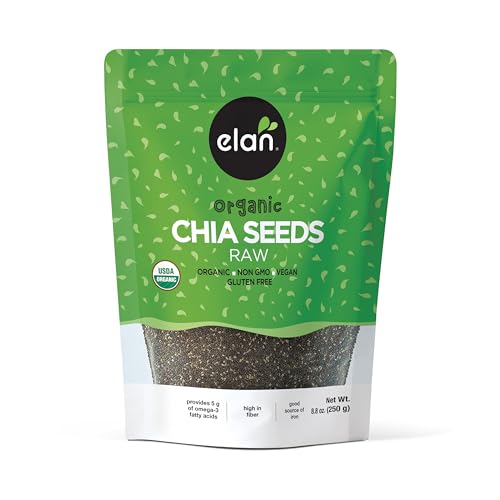
Elan Organic Chia Seeds, 8.8 oz, Natural Raw Black Chia Seeds, Plant-Based, Non-GMO, Vegan, Gluten-Free, Kosher, Gels Easily, Superfood
NUTRITIOUS SUPERFOOD: Elevate your healthy snacks with Elan Organic Chia Seeds. These small crunchy seeds gel easily, offering…
As an affiliate, we earn on qualifying purchases.
As an affiliate, we earn on qualifying purchases.
Conclusion
Now that you know there’s a whole orchard of plant-based proteins beyond soy, you can diversify your diet with nuts, legumes, and seeds. Think of these sources as a vibrant tapestry, each thread adding strength and flavor to your meals. By exploring these options, you’re opening a garden of nutritional possibilities that nourish your body and support a sustainable future. Embrace this variety and watch your plant-based journey grow brighter and more resilient every day.

365 by Whole Foods Market, Organic Hemp Protein Powder Unflavored, 16 oz
Organic hemp seed protein powder
As an affiliate, we earn on qualifying purchases.
As an affiliate, we earn on qualifying purchases.

Yupik Dry Roasted Pumpkin Seeds, No Shell, 2.2 lb (35.3 oz), Gluten-Free, GMO-Free, Kosher, Shelled Pepitas, Unsalted, Oil-Free, Plant-Based Protein, Fiber Source, Ideal for Baking & Topping
A crunchy and wholesome on the go snack
As an affiliate, we earn on qualifying purchases.
As an affiliate, we earn on qualifying purchases.