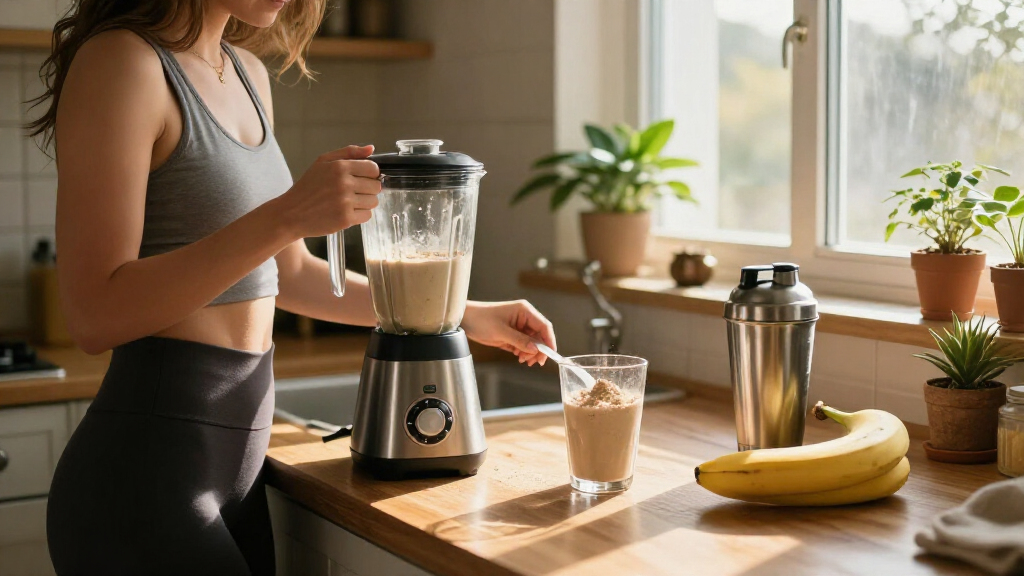
TL;DR
Plant-based protein supplements provide protein from sources such as peas, soy, rice, hemp, and beans, and can help when meals do not cover your needs. Compare protein per serving, ingredients, allergens, and testing, and remember that your total diet matters more than any single scoop. [1]
A protein shake can be useful when your lunch is a hummus sandwich eaten between meetings and dinner is hours away. But a scoop of powder is not automatically healthier, more complete, or necessary just because it comes from plants. Plant-based protein supplements are concentrated sources of protein made from ingredients such as peas, soy, rice, hemp, and beans. [1] Get health and wellness essentials delivered free with Prime

This guide explains what these powders can do, how protein sources differ, and what to look for on a label. You will also see how to fit a supplement into your routine without treating it as a replacement for meals or a shortcut to fitness. The aim is simple: help you decide whether a powder solves a real problem for you—and how to pick one that suits your needs.
That distinction matters because products vary widely. One scoop might provide a substantial amount of protein, while another has less protein and more added sugar, sodium, or ingredients that do not agree with you. A little label-reading can save you from buying an impressive-looking tub that does not fit your day.
Plant-based protein supplements can help fill a practical gap, but many people can get protein from meals and snacks.
The general protein RDA for most healthy adults is 0.8 grams per kilogram of body weight per day; personal needs vary. [1]
Soy is a complete protein; pea and rice have different amino acid patterns, and blends may combine sources.
Compare grams of protein per serving, serving size, sugar, sodium, ingredients, and allergen statements.
Independent certification can add information about testing, but it does not guarantee effectiveness or personal suitability.
What Plant-Based Protein Supplements Can—and Can’t—Do for You
Plant-based protein supplements provide concentrated protein from plants, often in powder or ready-to-drink form, and can help you fill a gap when food alone is inconvenient or insufficient. They are optional foods, not a requirement for a healthy diet. [1]
Think of a powder as a spare ingredient in your kitchen: handy when the fridge is nearly empty, but not a substitute for having meals. If you finish a morning run and have a two-hour commute before lunch, a shake may be easier to carry than tofu and rice. At home, though, lentil soup, edamame, or a tofu stir-fry can contribute protein along with other nutrients. The convenience is the main tradeoff: a powder is portable and quick, while whole foods usually bring a wider mix of nutrients and can make a meal more filling.
For most healthy adults, the general recommended dietary allowance is 0.8 grams of protein per kilogram of body weight per day. That is a starting reference, not a personalized target. Activity, age, health, and goals can affect someone’s needs, and people with medical conditions may need individual guidance. [1] The RDA helps frame whether a supplement may be useful, but it does not tell you how much powder to take. Protein from meals counts toward the total, and individual needs can differ from this population-level reference.
Before buying a tub, notice what problem you want it to solve. Are you short on time after exercise? Do you struggle to find protein-rich snacks while traveling? If your meals already work for you, adding a supplement may simply add expense and extra ingredients. The powder can make a routine easier; it cannot replace adequate food, training, rest, or care from a qualified professional when you need medical advice.
Products Worth Considering

Garmin Forerunner 265S Running Smartwatch, 42 mm, Whitestone/Neo Tropic

BowFlex Results Series SelectTech Adjustable Dumbbells (Pair)

Garmin Forerunner 970 GPS Running and Triathlon Smartwatch, 47 mm, Titanium, Whitestone/Amp Yellow
As an affiliate, we earn on qualifying purchases.
How Pea, Soy, and Rice Protein Differ
Protein sources differ in their essential amino acids and digestibility, so the best fit depends on the product and your diet. Soy is a complete protein; pea protein contains relatively more lysine and less methionine, while rice protein tends to have the opposite pattern. A blend may combine sources to create a more balanced amino acid profile. [1] These differences describe amino acid composition, not a simple ranking of which powder is best. A source that is less balanced on its own can still contribute useful protein within a varied diet.
Imagine making a playlist where one instrument carries the melody and another fills in the bass. Pea and rice proteins can complement each other in a similar practical sense, which is why you will see them together in some blends. That does not mean you must carefully pair certain plant proteins at every meal. A varied diet across the day can provide essential amino acids. [1] A blend may be convenient for someone relying heavily on powder, while someone eating different protein-rich foods through the day may have less reason to seek a particular combination.
Here is a quick comparison to help you read ingredient lists. It describes common patterns, not a guarantee about every product’s exact formulation or nutrition.
| Source | What to know | Everyday example |
|---|---|---|
| Soy | Complete protein; soy is a common allergen. | Useful if soy suits you and you want a single-source option. |
| Pea | Relatively rich in lysine and lower in methionine. | Often used alone or blended into shakes. |
| Rice | Tends to have the opposite amino acid pattern to pea. | May appear in blends with pea protein. |
| Hemp or beans | Plant protein options with product-specific nutrition and texture. | Check each label for protein per serving and other ingredients. |
A gym-goer choosing between a pea-only powder and a pea-rice blend can compare the whole label, serving size, and protein amount instead of judging by the front-of-pack claims alone. Blends may cost more or include flavorings and other ingredients, so the amino acid profile is only one part of the decision. If you have a food allergy or a health concern, check ingredients with care and seek qualified advice where needed.
How to Choose a Powder That Fits Your Routine
Choose a plant protein powder by checking its protein per serving, full nutrition panel, ingredients, allergens, and quality information. The scoop size itself is not standardized, so two tubs with “one scoop” on the label may deliver different amounts of protein. [1] Comparing the listed serving size alongside protein grams helps prevent a misleading comparison: a powder may appear to offer more protein simply because its suggested scoop is larger.
- Check protein per serving. Compare grams of protein, then look at the stated serving size. If a label lists a large scoop, consider whether you would actually use that amount. This matters for both convenience and cost: the number of servings in a container can shrink quickly if you use more than the label’s serving.
- Scan the rest of the nutrition panel. Compare calories, added sugar, sodium, and fiber. A flavored powder with a long ingredient list may suit you, but it may not match your preferences. These details affect how the powder fits into your day; for instance, added sugar may matter if you are trying to limit it, while fiber or sweeteners may affect digestion.
- Read the allergen and ingredient statements. Soy is a common allergen, and facilities may handle other allergens. Sweeteners, gums, and added fibers can bother some people’s digestion. A shorter list is not automatically better, but knowing what is in the product helps you connect a reaction or preference to a specific ingredient.
- Look for transparent quality information. Independent certification can offer added assurance that contents or contaminants have been tested. It does not prove the supplement will work for you or suit everyone. [1] Testing can answer questions about product contents; it cannot assess your personal tolerance, nutritional needs, or whether you need a supplement at all.
For example, if you want a quick shake at your desk, a tub with a short ingredient list and a flavor you enjoy may be more useful than a complicated blend that sits untouched in the cupboard. If you plan to mix it into oatmeal, a less sweet powder may work better. A claim like “natural” or “clean” does not replace the numbers and ingredients on the label.
Products and rules vary across countries, and testing standards can differ. When a company makes a specific health or sustainability claim, look for evidence and current information from relevant regulators or independent sources. A certification is one clue about testing, not a stamp of personal suitability.
Fit a Scoop Around Meals, Training, and Your Budget
A supplement works best as a convenient addition to an eating pattern that already includes varied foods. It can provide protein when a meal is delayed or options are limited, but it does not replace the fiber, variety, and other nutrients you can get from foods such as tofu, tempeh, lentils, beans, peas, nuts, and seeds. [1] This distinction is useful when deciding whether a shake should be a snack or a meal: it may solve the protein part of a gap without covering everything a meal would provide.
Picture a student leaving a morning lecture with a long shift ahead. A shake and a banana might be a practical bridge to dinner; on a calmer evening, a bean chili or tempeh rice bowl can do the job as part of a meal. Those are different situations, and a powder does not need to be the answer to both. The best choice depends on what else you have eaten and how long until your next meal.
If you exercise, muscle growth depends on more than the protein source in your shaker. Progressive resistance training, enough overall food and protein, recovery, and consistency all matter. A supplement may make it easier to fit protein into a busy schedule, but it does not build muscle on its own. [1] That means a shake is most useful when it helps you follow a sustainable routine; adding one without adequate training or overall nutrition is unlikely to change results by itself.
Try this practical approach: first, look at what you usually eat in a day. Then identify a real gap—perhaps breakfast has little protein or travel days leave you hungry—and decide whether food or a supplement would suit that moment. Compare the cost per serving with alternatives you already enjoy. A powder that tastes chalky or causes discomfort is poor value, even if the label looks impressive; test a smaller container or serving when available, and ask a qualified clinician or dietitian about needs tied to a health condition.
Avoid Common Mistakes About Safety and Sustainability
Plant-based does not automatically mean safer, healthier, or more sustainable; products differ in their ingredients, processing, sourcing, packaging, and testing. The same caution applies to broad marketing claims about contaminants or environmental impact: the profile depends on the particular product and how it is made. [1] A plant source alone cannot tell you how the finished product was manufactured or what its environmental footprint is, so broad category claims are less useful than product-specific evidence.
One shopper may choose soy powder because they tolerate soy foods and want a complete protein. Another person with a soy allergy needs to avoid it and check for cross-contact information. Neither choice says anything universal about all plant powders. If you have an allergy, do not treat a “plant-based” label as an allergy guarantee. Cross-contact warnings matter because trace exposure can be relevant for some people, even if the main protein source seems suitable.
Digestive comfort also varies. A powder with added fibers, gums, or certain sweeteners may sit differently than a simpler formula. If your first shake leaves your stomach unsettled, a smaller serving or a product with fewer added ingredients may help you compare tolerance—but ongoing symptoms or medical concerns are a reason to seek professional guidance rather than repeatedly experimenting. Changing one factor at a time can make it easier to identify whether serving size or a particular ingredient is contributing to discomfort.
Finally, do not read a certification as proof of effectiveness. Independent testing can provide extra information about contents or contaminants, but it cannot establish that a product is right for your body or goal. For instance, a person comparing two powders can use certification, ingredient transparency, and the nutrition panel as separate pieces of evidence. That is a more grounded choice than trusting a dramatic front-label promise.
Frequently Asked Questions
Is plant protein as good as whey?
Plant proteins can support protein intake and training goals, but source, blend, serving size, and the rest of your diet matter. Some plant proteins are less digestible or lower in particular essential amino acids than whey. Check the product’s protein amount and ingredients, and choose what fits your needs and preferences. [1]
Do I need to combine plant proteins at every meal?
Generally, no. Eating a variety of protein sources over the day can provide essential amino acids, so you do not usually need to pair complementary proteins at each meal. A pea-rice blend is one convenient option, but beans at lunch and tofu at dinner can also add variety. [1]
How much plant protein powder should I take?
There is no universal supplement dose. First consider how much protein you get from food and whether a powder fills a real gap; for most healthy adults, the general protein RDA is 0.8 grams per kilogram of body weight per day. If you have kidney disease or another medical condition, ask a clinician or registered dietitian about your needs. [1]
Can plant protein help build muscle?
A plant protein powder can make protein intake more convenient, but it does not build muscle by itself. Progressive resistance training, sufficient overall food and protein, recovery, and consistency all play a part. For example, a shake after training may suit a busy commute, while a meal later can still provide variety. [1]
Are plant-based protein powders easy to digest?
It varies by person and product. Source, serving size, processing, and added sweeteners, gums, or fibers can affect comfort. If one formula disagrees with you, a smaller serving or simpler ingredient list may help you compare; seek professional advice for persistent symptoms.
What should I check before buying a protein powder?
Check protein per serving, serving size, added sugar, sodium, the full ingredient list, and allergen statements. You can also look for independent testing information, while remembering that certification does not prove effectiveness or suitability for everyone. A plain tub you tolerate and use may be a better fit than a heavily marketed blend. [1]
Conclusion
Start with your meals, your schedule, and the gap you want to fill. If a powder makes that easier, compare its nutrition panel, ingredients, allergens, and quality information before you buy; if you have a medical condition or specific nutrition needs, ask a qualified professional for guidance.
A useful supplement should earn its place in your cupboard—and taste good enough that you actually reach for it.