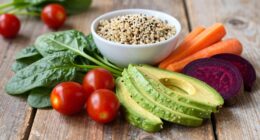
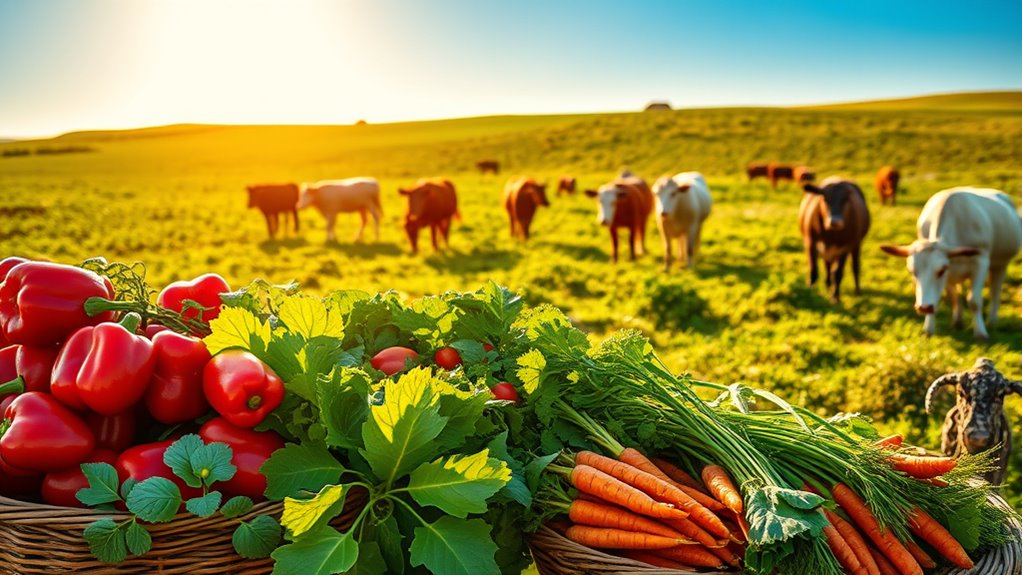
Switching to a plant-based diet helps reduce methane emissions from livestock, which are a major source of this potent greenhouse gas. By eating fewer animal products, you decrease the demand for meat and dairy, leading to fewer animals raised and less methane released during digestion and manure management. Your choice can lower your carbon footprint and support sustainable farming. If you want to understand how your diet impacts the environment even more, keep exploring the details below.
Key Takeaways
- Shifting to plant-based diets reduces the demand for livestock, decreasing methane emissions from enteric fermentation and manure management.
- Consuming more plant foods lowers the number of animals raised for food, cutting overall methane production.
- Plant-based diets require fewer resources and generate fewer greenhouse gases, mitigating climate change effects.
- Reduced livestock farming lessens deforestation and water use, supporting broader environmental sustainability.
- Individual dietary choices can significantly decrease methane emissions and help combat global warming.

Have you ever wondered how we can effectively cut down methane emissions to fight climate change? One of the most impactful ways is by addressing livestock emissions, which are a significant source of methane. Livestock, especially cattle, produce methane during digestion through a process called enteric fermentation. This methane is released into the atmosphere, contributing heavily to the greenhouse effect. Fortunately, changing your diet can make a real difference. By adopting a plant-based diet, you reduce the demand for animal products, which in turn lowers the number of livestock raised for food. This shift not only cuts down livestock emissions but also alters the dietary impacts that drive these emissions in the first place.
When you choose plant-based foods over meat and dairy, you’re directly influencing the agricultural practices that produce these emissions. Livestock farming requires vast amounts of land, water, and feed, all of which contribute to environmental degradation. Reducing meat consumption decreases the number of animals raised, lessening the overall methane output. This change can have immediate and long-term benefits: fewer animals mean less enteric fermentation and less manure management, both of which are significant sources of methane. *furthermore*, as more people opt for plant-based diets, farmers may adopt more sustainable and methane-reducing practices, further amplifying the positive impact.
Your dietary impacts go beyond just reducing methane. Plant-based diets tend to be more sustainable overall, requiring fewer resources and generating fewer emissions across the board. This means less deforestation, reduced water use, and lower greenhouse gas emissions from agricultural activities. Every time you choose vegetables, grains, legumes, or fruits instead of meat, you’re making a conscious decision to support a more sustainable food system. This collective shift can influence market demand, encouraging producers to prioritize eco-friendly and methane-conscious farming practices. Additionally, reducing livestock emissions helps mitigate other environmental issues linked to animal agriculture, such as air and water pollution. Recognizing the climate benefits of dietary choices can motivate more individuals to make impactful changes.
In essence, your dietary choices are powerful tools in the fight against climate change. Cutting down on livestock emissions by shifting toward plant-based diets addresses one of the largest sources of methane, directly impacting the climate crisis. By understanding the connection between what you eat and environmental health, you can take actionable steps that benefit not only the planet but also your health and well-being. Every meal becomes an opportunity to contribute to a more sustainable future, proving that small changes in diet can lead to big environmental impacts.
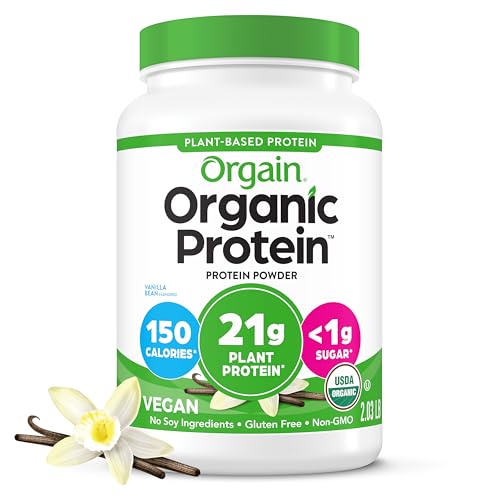
Orgain Organic Vegan Protein Powder, Vanilla Bean – 21g Plant Protein, 6g Prebiotic Fiber, No Lactose Ingredients, No Added Sugar, Non-GMO, For Shakes & Smoothies, 2.03 lb (Packaging May Vary)
CLEANER INGREDIENTS: 21g of Organic plant based protein and 1g sugar. Our protein blend contains Organic peas, brown…
As an affiliate, we earn on qualifying purchases.
As an affiliate, we earn on qualifying purchases.
Frequently Asked Questions
How Quickly Can Dietary Changes Reduce Methane Emissions?
You can see the timing of impact from dietary changes within just a few weeks to months. The dietary shift speed influences how quickly methane emissions decrease, as reducing high-methane foods like meat and dairy leads to faster results. By making mindful choices now, you start lowering emissions almost immediately, with more significant effects developing over several months. Your actions can make a real difference sooner than you might expect.
Are Plant-Based Diets Sustainable Long-Term for Everyone?
Imagine a vibrant garden thriving with diverse plants—that’s how a sustainable plant-based diet can be for you. While cultural acceptance varies, many find it adaptable; just like a chameleon blending into new environments. With proper planning, it offers nutritional adequacy, supporting your health long-term. You can make this lifestyle work by respecting traditions and choosing varied, nutrient-rich foods, creating a sustainable path that benefits both you and the planet.
What Are the Economic Impacts of Shifting to Plant-Based Diets?
Shifting to plant-based diets impacts the economy by reshaping market incentives and supply chains. You might see new opportunities for farmers and food producers to meet growing demand for plant-based products, encouraging innovation. However, existing supply chains may need to adapt, potentially causing short-term disruptions. Overall, this shift could promote sustainable growth, lower healthcare costs, and create jobs in emerging industries, benefiting the economy long-term.
How Do Plant-Based Diets Compare Environmentally to Other Methane Reduction Methods?
You’ll find that plant-based diets considerably lower methane emissions compared to traditional agricultural practices like livestock farming. Unlike renewable energy, which reduces fossil fuel emissions, shifting your diet directly impacts methane from enteric fermentation. By choosing plant-based foods, you support more sustainable agricultural practices, which further reduces methane. This approach often proves more immediate and effective than relying solely on renewable energy, making your dietary choices a powerful environmental action.
Can Individual Choices Significantly Impact Global Methane Levels?
Yes, your personal responsibility can make a difference in reducing global methane levels. When you choose a plant-based diet, you contribute to lowering methane emissions from livestock. Collective action amplifies this impact, encouraging others to follow suit. Small changes in your daily choices add up, helping combat climate change. So, by acting individually and supporting community efforts, you play a crucial role in addressing this environmental issue.

Gardein Plant-Based Ground Be'f, Vegan, Frozen Meat Alternative, 13.7 oz.
Contains one 13.7-ounce bag of Gardein Vegan Plant-Based Gluten Free Ground Be'f
As an affiliate, we earn on qualifying purchases.
As an affiliate, we earn on qualifying purchases.
Conclusion
By shifting to plant-based diets, you hold the key to uncovering a cleaner, brighter future—like planting seeds of hope in a barren land. Each meal choice becomes a symbol of change, breaking the chains of methane emissions that threaten our world. Your decision acts as a beacon, guiding us toward sustainability. Embrace this simple act, and watch as your actions bloom into a powerful force for healing the planet, one plate at a time.

The Complete Plant-Based Cookbook: 500 Inspired, Flexible Recipes for Eating Well Without Meat (The Complete ATK Cookbook Series)
As an affiliate, we earn on qualifying purchases.
As an affiliate, we earn on qualifying purchases.

Bentgo Prep – 20-Piece 1-Compartment Reusable Meal Prep Containers with Lids, PFAS & BPA Free Materials, Durable, Microwave, Freezer, & Dishwasher Safe To Go Food Storage (Mint)
#1 Brand Pick for Meal Prep Containers: Bentgo is the top pick for meal prep containers!* This lightweight,…
As an affiliate, we earn on qualifying purchases.
As an affiliate, we earn on qualifying purchases.