

Sea moss cultivation supports coastal communities by fostering sustainable practices that protect marine ecosystems and prevent overharvesting. It creates economic opportunities through jobs in farming, processing, and distribution, benefiting small-scale farmers and entrepreneurs. This approach attracts eco-conscious consumers, giving communities a market edge. It also encourages collaboration and knowledge sharing among locals, boosting resilience and community bonds. To discover how these initiatives make a lasting difference, keep exploring the benefits of sea moss farming.
Key Takeaways
- Promotes sustainable practices that protect marine ecosystems and prevent overharvesting of wild sea moss.
- Creates jobs in farming, processing, and distribution, boosting local economies.
- Provides a reliable, eco-friendly product that appeals to conscious consumers, enhancing market opportunities.
- Encourages community collaboration and knowledge sharing to develop best practices and resilience.
- Supports long-term resource sustainability, ensuring ongoing economic and environmental benefits.
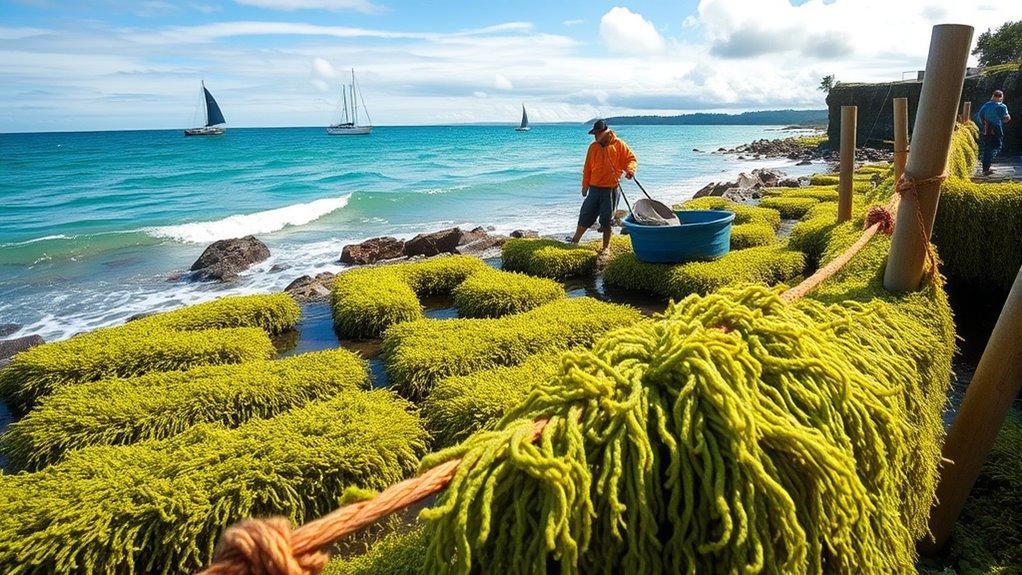
Sea moss cultivation has gained popularity as a sustainable way to produce this highly valued superfood. As a member of a coastal community, you have the opportunity to participate in environmentally responsible practices that protect marine ecosystems while boosting local economies. By adopting sustainable harvesting techniques, you guarantee that wild sea moss populations aren’t depleted, allowing the ocean’s natural balance to remain intact. Instead of overharvesting from the wild, cultivating sea moss on farms provides a controlled environment where growth can be carefully managed, reducing the risk of habitat destruction and ensuring a consistent supply. This approach not only preserves the health of marine ecosystems but also creates a reliable source of income for local residents.
Engaging in sea moss cultivation directly supports economic development within coastal communities. When you invest in sea moss farming, you contribute to job creation across various sectors—farming, processing, packaging, and distribution—thereby stimulating local economies. Small-scale farmers and entrepreneurs find new opportunities to generate income, often with minimal startup costs compared to other agricultural ventures. As demand for sea moss grows globally, your community can position itself as a key supplier, attracting buyers from beyond the coast and expanding market reach. This increased economic activity can lead to better infrastructure, improved services, and more resources for community development projects.
Investing in sea moss farming boosts local jobs and economic growth through sustainable, community-driven initiatives.
Furthermore, cultivating sea moss aligns with sustainable practices that appeal to eco-conscious consumers. Buyers increasingly seek products that are responsibly sourced, and your community’s commitment to sustainable harvesting can serve as a competitive advantage. This reputation not only enhances marketability but also encourages environmentally friendly habits that benefit the entire community. By prioritizing sustainable methods, you help guarantee the longevity of sea moss stocks, which are essential for both ecological health and ongoing economic benefits.
In addition, sea moss cultivation can foster community collaboration and knowledge sharing. Local residents can work together to develop best practices, share resources, and address challenges collectively. Educational programs and partnerships with environmental organizations can enhance sustainable techniques, ensuring that the community’s growth is both environmentally and economically sound. This collective effort can build resilience, enabling your community to adapt to changing market conditions and environmental factors.
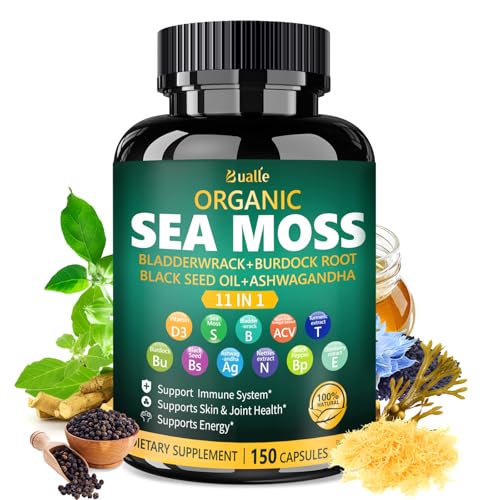
Bualle Organic Sea Moss Capsules with Sea Moss
Organic Sea Moss Capsules: Our Irish sea moss is organic and combines Sea Moss Capsules, Black Seed Oil…
As an affiliate, we earn on qualifying purchases.
As an affiliate, we earn on qualifying purchases.
Frequently Asked Questions
What Are the Environmental Impacts of Sea Moss Farming?
Sea moss farming generally has positive environmental impacts when you use sustainable aquaculture practices. It can enhance marine conservation by providing habitats for marine life and reducing pressure on wild populations. However, if you’re not careful, it could lead to habitat disruption or water quality issues. To minimize these risks, adopt eco-friendly methods, monitor the environment, and guarantee your farming supports healthy, balanced marine ecosystems.
How Does Sea Moss Cultivation Affect Local Biodiversity?
Sea moss cultivation acts like a gardener tending a delicate ecosystem, influencing marine biodiversity and ecosystem balance. When done responsibly, it enriches local habitats by providing food and shelter for diverse marine species. However, excessive or poorly managed farming can disrupt native species, reduce biodiversity, and upset ecosystem harmony. You need to carefully monitor cultivation practices to guarantee it supports, rather than harms, the vibrant web of life in coastal waters.
Are There Government Incentives for Small-Scale Sea Moss Farmers?
Yes, there are government incentives for small-scale sea moss farmers. You can access government grants to help fund your cultivation efforts and benefit from tax incentives designed to support sustainable farming. These programs aim to encourage local entrepreneurs like you to grow sea moss responsibly, boost your income, and strengthen the community’s economy. Be sure to check with local agencies for the latest opportunities available in your area.
What Are the Common Challenges Faced by Coastal Communities in Cultivation?
Did you know that over 60% of coastal communities face challenges like climate change and resource depletion? You might struggle with limited access to markets, inconsistent yields, and environmental regulations. These issues hinder economic diversification and community empowerment. To succeed, you’ll need resilient strategies, support networks, and sustainable practices. Overcoming these challenges helps coastal communities thrive, ensuring they benefit from sea moss cultivation’s potential without compromising their environment or livelihoods.
How Can Sea Moss Farming Be Scaled Sustainably?
To scale sea moss farming sustainably, you should focus on sustainable harvesting practices that protect marine ecosystems. Emphasize community-based farming, where locals actively participate and benefit from the industry. By implementing eco-friendly methods, supporting local fisheries, and promoting education on responsible cultivation, you can guarantee growth without depleting resources. This approach fosters long-term economic stability for coastal communities while preserving the health of the ocean environment.

Create Your Serene Moss Sanctuary with The Unique Gardener Moss Bowl Terrarium Kit with LED Light – Complete Terrarium Supplies, Indoor Plants for Stress Relief & Air Purification!
Craft Your Tranquil Oasis: Grow lush moss gardens in a 4” glass terrarium with cork stopper for minimal-care…
As an affiliate, we earn on qualifying purchases.
As an affiliate, we earn on qualifying purchases.
Conclusion
As you nurture sea moss, you’re not just cultivating a valuable resource—you’re planting hope and resilience in coastal communities. Each harvest symbolizes renewal, a reminder that sustainable practices can restore both nature and livelihoods. Like the tide’s endless rhythm, your efforts flow into a stronger, more vibrant future. Embrace this cycle, knowing that your work sustains more than just the sea—it sustains the spirit of those who call these waters home.

2 Pack Sea Moss Glow Gummies Hair Loss Skin & Nails with Irish Seamoss Pearl Powder Vitamin C E Milk Thistle Taurine Aloe Vera FOS Superfood for Immune Intestinal Thyroid Detox Adults& Kids 160 Count
10-in-1 Superfood Formula: Organic Irish sea moss is a natural superfood known for its comprehensive, stable nutritional support….
As an affiliate, we earn on qualifying purchases.
As an affiliate, we earn on qualifying purchases.
sea moss processing equipment
As an affiliate, we earn on qualifying purchases.
As an affiliate, we earn on qualifying purchases.