
Sea vegetables are a rich, natural source of iodine, essential for your thyroid health on a plant-based diet. Varieties like kelp, nori, wakame, and dulse offer different iodine levels, so including a mix helps you avoid excess and guarantee adequate intake. How you prepare them also influences iodine absorption, so moderation is key. Continuing with this guide will help you optimize your iodine sources and support your overall well-being.
Key Takeaways
- Incorporate a variety of sea vegetables like nori, kelp, wakame, dulse, and hijiki to naturally meet iodine needs on a plant-based diet.
- Be mindful of iodine content differences; high-iodine kelp should be consumed in moderation, while moderate sources like wakame are safer for regular intake.
- Proper preparation methods, such as soaking and light cooking, can influence iodine absorption and help prevent excessive intake.
- Practice portion control with sea vegetables to avoid iodine overload and support healthy thyroid function.
- Use resources and stay informed about iodine levels in sea vegetables to make balanced dietary choices that meet mineral needs safely.

Sea vegetables are some of the richest natural sources of iodine, an essential mineral your body needs for healthy thyroid function. If you’re following a plant-based diet, including different sea vegetable varieties can help you meet your iodine needs naturally. These varieties—such as nori, kelp, wakame, dulse, and hijiki—offer unique flavors and nutrient profiles, making them versatile additions to your meals. Incorporating a range of sea vegetables ensures you get a broader spectrum of nutrients while maximizing iodine absorption.
Including various sea vegetables like nori, kelp, wakame, dulse, and hijiki boosts iodine intake naturally.
Iodine absorption from sea vegetables isn’t uniform across all varieties. Some, like kelp, contain high concentrations of iodine, which can be beneficial but also pose risks if consumed excessively. Others, such as wakame and dulse, have moderate iodine levels, making them safer options for regular intake. When you include different sea vegetable varieties in your diet, you’re not only diversifying your nutrient intake but also balancing iodine absorption. This variety helps prevent iodine overload and supports your thyroid health without risking excess.
The way you prepare sea vegetables can also influence iodine absorption. For example, soaking and cooking can reduce iodine content slightly, which might be advantageous if you’re concerned about high iodine levels. Conversely, eating sea vegetables raw or lightly cooked preserves more of their iodine content. By understanding these preparation methods, you can tailor your intake based on your nutritional needs and avoid consuming too much iodine at once.
Another key aspect is portion control. Since some sea vegetables, like hijiki, tend to be high in iodine, moderation is essential. Regularly incorporating small amounts of a variety of sea vegetables ensures a consistent iodine supply without exceeding safe levels. If you’re unsure about your iodine intake, consulting with a healthcare professional can help determine appropriate servings. This approach allows you to enjoy the benefits of sea vegetables while maintaining excellent thyroid health. Additionally, staying informed about iodine content in foods can help you make smarter dietary choices for optimal health.
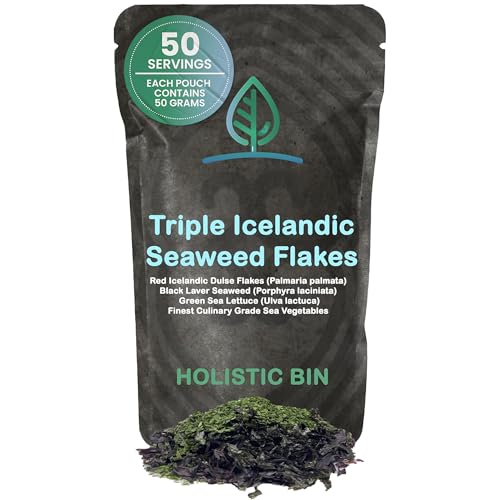
Holistic Bin Triple Icelandic Seaweed Flakes | Wild Harvested in Iceland | Organic Red Atlantic Dulse, Black Nori, & Green Sea Lettuce | Dried Seaweed Flake for Miso Soup, Salads | Iodine Rich | 50g
UNIQUE WILD ORGANIC SEAWEED BLEND: Holistic Bin’s Triple Flakes combine raw North Atlantic red dulse, black nori, and…
As an affiliate, we earn on qualifying purchases.
As an affiliate, we earn on qualifying purchases.
Frequently Asked Questions
Are All Sea Vegetables Equally High in Iodine?
Not all sea vegetable varieties are equally high in iodine. The iodine content variability among different types, like nori, kelp, wakame, and dulse, can be significant. Some, like kelp, tend to be very rich in iodine, while others have much lower levels. So, if you’re relying on sea vegetables for iodine, you need to choose varieties carefully and be mindful of their iodine content to avoid excess or deficiency.
How Much Sea Vegetable Should I Consume to Meet Iodine Needs?
Think of sea vegetables as a mineral treasure chest—each variety holds different amounts of iodine. To meet your needs, aim for about 1 to 3 grams of dried seaweed daily, but remember, iodine content varies among sea vegetable varieties. Check labels or source information, and diversify your choices like a well-rounded gardener, ensuring you get enough iodine without overdoing it.
Can I Get Enough Iodine Without Eating Sea Vegetables?
You can get enough iodine without eating sea vegetables by choosing plant-based alternatives like iodized salt, dairy, or fortified foods. Keep in mind that iodine absorption varies, so consuming a consistent amount helps meet your needs. If you’re concerned, consider supplements, but always consult a healthcare professional first. Balancing these sources guarantees you maintain proper iodine levels without relying solely on sea vegetables.
Are There Risks of Iodine Overdose From Sea Vegetables?
Yes, you can risk iodine toxicity from sea vegetables if you consume them in excess. Excess intake of iodine can lead to iodine toxicity, which may cause thyroid problems and other health issues. To avoid this, stick to recommended portions and vary your sources of iodine, such as supplements or fortified foods, rather than relying solely on sea vegetables. Moderation helps prevent potential health risks from excess iodine.
Do Sea Vegetables Contain Other Essential Minerals Besides Iodine?
Sea vegetables offer more than just iodine; they contain a diverse range of essential minerals like calcium, magnesium, potassium, and iron. This mineral diversity promotes nutrient synergy, helping your body absorb and utilize these nutrients effectively. Including sea vegetables in your diet supports overall mineral balance and health, but remember to consume them in moderation to avoid potential excesses. They’re a valuable, natural addition to a plant-based diet.

CHOI's 1(Daechun) Roasted Seaweed, Gim, Sushi Nori /(50 full sheets) /Gold Grade/Product of Korea/Kimbap, Gimbap, Keto, Gluten Free, Full of Fiber, Vitamin, Mineral, High protein
PREMIUM RESTAURANT QUALITY : No more buying Sushi. Enjoy and Eat like you are in a Sushi Restaurant….
As an affiliate, we earn on qualifying purchases.
As an affiliate, we earn on qualifying purchases.
Conclusion
By including sea vegetables in your plant-based diet, you boost your iodine intake, support your thyroid health, and enhance your overall well-being. Embrace the flavor, enjoy the nutrients, and nourish your body. Incorporate sea vegetables regularly, diversify your choices, and stay mindful of your mineral needs. With each serving, you strengthen your health, satisfy your palate, and advance your dietary goals. Make sea vegetables a essential part of your journey toward balanced, mindful, and nourishing eating.
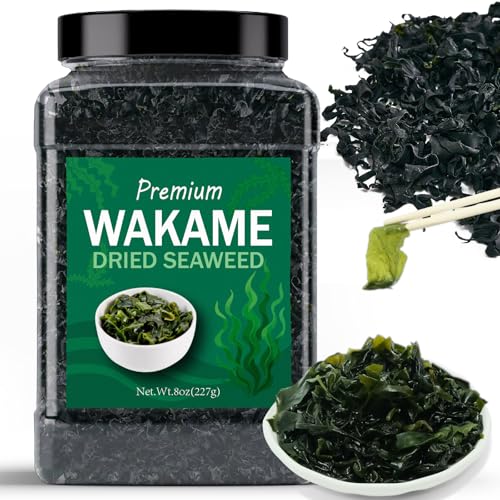
8oz Premium Dried Wakame Seaweed – Sea Vegetable for Miso Soup, Seaweed Salad & Meal Prep, Pre-Cut & Ready-to-Use – All-Natural, Gluten-Free
Naturally Harvested Seaweed: Carefully dried wakame harvested from clean waters. Naturally gluten-free, with no additives or preservatives. Offers…
As an affiliate, we earn on qualifying purchases.
As an affiliate, we earn on qualifying purchases.
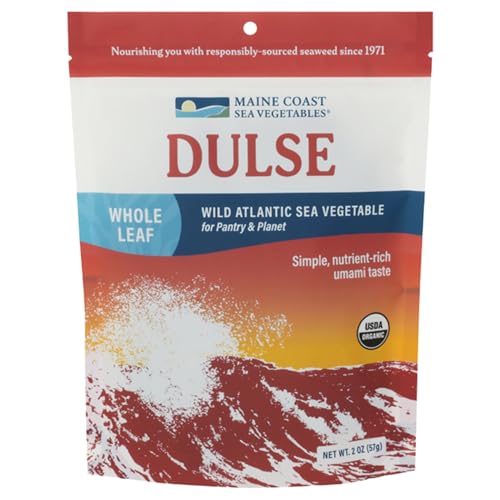
Maine Coast Sea Vegetables Organic Dulse Whole Leaf Bag | Nutritious Food & Seaweed Snacks | Rich in Iodine | North Atlantic Harvest | Great for Salads, Soup, Smoothies | 2 Oz (Pack Of 1)
Naturally Flavorful & Nutrient-Rich: Discover the rich taste and natural goodness of our organic dulse whole leaf, harvested…
As an affiliate, we earn on qualifying purchases.
As an affiliate, we earn on qualifying purchases.