


TL;DR

Get health and wellness essentials delivered free with Prime
- Fast, free delivery on millions of items
- Prime Video, Amazon Music and more included
- Member-only deals all year
In an advice column published Oct. 5, R. Eric Thomas responded to a 54-year-old woman who said strangers criticized her weight and pressured her to eat at a community cookout. She attributed her weight loss to a post-surgical condition requiring daily IV nutrition and asked whether she should have disclosed her medical history. Thomas said she did not owe the strangers that explanation.
Advice columnist R. Eric Thomas responded in an Oct. 5 column to a 54-year-old woman’s account of strangers criticizing her weight and urging her to eat at a community cookout. The woman said she had lost weight because of a post-surgical medical condition requiring daily IV nutrition; Thomas wrote that she did not owe the strangers her medical history to justify declining more food.
The woman, writing under the name “Skinny and Hungry,” said she attended a neighborhood cookout because she was feeling well enough to socialize and wanted to meet people in her community. She brought a dish and said she enjoyed tasting some of the food, although she could not eat much. She attributed that limitation to her medical condition and said she knew that pushing herself to eat could make her sick.
According to her letter, several women she had not met told her she was too skinny and needed to eat more. She said she replied that she was enjoying the food and company, but the comments continued. Two women then filled a plate, placed it in front of her and told her to eat, she wrote. She declined and said she had enjoyed what she ate, but the women continued commenting on her appearance, including comparing her to a “gangly young boy.”
The woman said she left before she started to cry. She asked whether she should have explained her medical history and said she felt a polite refusal should have been enough. She also wrote that she wanted to become more active in her community as her strength improved, but feared further body shaming. Her account and the columnist’s response are the basis of the report; the column does not provide independent accounts from the other cookout attendees.
A Boundary at the Cookout
The exchange centers on privacy and consent in ordinary social settings. The woman described being pressed to explain a health condition to people she had just met, after she had already declined additional food. Thomas’s response was that her refusal did not require a medical justification: he wrote that the strangers had no right to goad her into eating more, whether or not she had a medical condition.
For readers, the account highlights how remarks framed as concern can land as criticism when they focus on another person’s body and continue after that person has responded. The woman said she was already aware of being underweight and struggled with it daily. The column does not establish what the other attendees intended; Thomas allowed that they may have thought they meant well, while describing their conduct as bullying.
The practical concern raised in the letter is whether one painful encounter will discourage the woman from socializing as she recovers. Thomas urged her not to let the strangers’ behavior keep her away from gatherings and suggested a direct boundary if they approached her again. That advice is his response to the letter, not a reported outcome: the column does not say whether she returned to community events.
Products Worth Considering

Withings Body Scan Smart Scale with Segmental Body Composition and ECG, Black

OMRON VIVA 360+ Body Composition Monitor and Smart Scale
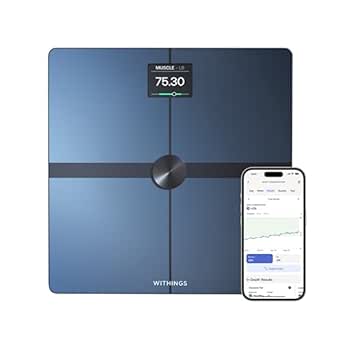
Withings Body Smart Wi-Fi and Bluetooth Smart Scale
As an affiliate, we earn on qualifying purchases.
Illness Behind the Weight Loss
The letter describes a post-surgical condition that, the writer said, required her to receive nutrition through an IV every day. She reported losing a considerable amount of weight and being unable to eat much. The source does not identify the condition, describe the surgery, or give details about her treatment beyond that account. It also does not state how long she had been receiving IV nutrition.
The cookout was presented as a chance to meet neighbors while she was feeling well enough to be out socially. She said she brought a dish and sampled the food. Her account therefore distinguishes enjoying a meal in a limited way from being able to eat more without feeling ill. The column offers no medical assessment of her weight or nutrition, and Thomas’s advice addresses how the strangers treated her rather than the clinical details of her condition.
The item appeared in Seniors Guide’s “Asking Eric” advice feature. Thomas is identified by Seniors Guide as a bestselling author, playwright and screenwriter who writes the column. The published piece pairs the reader’s letter with his response; it is not a report from the cookout or an investigation into the attendees’ conduct.
““I feel as though politely declining extra food should have been sufficient and I don’t feel as though I need to disclose my condition to defend myself.””
— The letter writer, identified as “Skinny and Hungry”
Details the Column Leaves Open
The woman’s identity and the specific medical condition behind her weight loss are not given. The source does not provide her current health status, her clinicians’ advice, or any medical details that would allow readers to assess what she can safely eat. Her account says that pushing herself to eat could make her sick; that is her description of her experience, not a medical evaluation in the column.
The other attendees are not identified, and their perspective is not included. The source cannot establish what they intended or whether they understood that the woman was unwell. It also does not say whether the woman discussed the incident with anyone in her community, whether she will attend more gatherings, or whether the strangers contacted her afterward.
Her Next Community Gathering
Thomas’s response leaves the decision about future gatherings with the letter writer. He encouraged her to keep socializing as she grows stronger and offered a direct sentence she could use to tell the women that comments about her body are unwelcome. The column does not report a follow-up from the writer or say whether that conversation took place.
Readers seeking advice from Thomas can submit questions to the email address or mailing address listed with the column. For this particular letter, the next development remains unknown: there is no published update on the woman’s health, the cookout attendees, or her plans to return to community events.
Key Questions
What happened at the cookout?
The letter writer said several women criticized her weight, told her to eat more and continued after she declined. She said two of them placed a filled plate in front of her.
Why did the woman say she had lost weight?
She attributed her weight loss to a post-surgical medical condition that required daily IV nutrition. The column does not name the condition or provide further medical details.
Did Eric Thomas say she had to explain her condition?
No. Thomas wrote that she did not owe the strangers an explanation and said they had no right to pressure her to eat more, regardless of whether she had a medical condition.
What did Thomas suggest if the women approach her again?
He suggested telling them directly that comments about her body are unwelcome and that she will not tolerate more of them.
Source: rss