
Many vegan soy products are linked to deforestation, which challenges the idea that plant-based foods are always sustainable. Satellite data shows illegal land clearing in key regions like Brazil and Argentina, revealing that soy farming can harm forests. Responsible sourcing and transparency are essential to avoid supporting damaging practices. If you want to understand how satellite monitoring exposes these issues—and what you can do about it—there’s more to explore.

Get health and wellness essentials delivered free with Prime
- Fast, free delivery on millions of items
- Prime Video, Amazon Music and more included
- Member-only deals all year
Key Takeaways
- Satellite data reveals that soy cultivation linked to deforestation is often illegal or unsustainable, challenging the myth that vegan soy is inherently eco-friendly.
- Responsible sourcing and transparency tools help consumers identify soy products that do not contribute to forest loss.
- Monitoring regions like Brazil and Argentina shows illegal land clearing, emphasizing the need for satellite verification of supply chains.
- The environmental impact of vegan soy depends on responsible practices, not just plant-based labels, as satellite imagery exposes harmful land use.
- Consumer demand for transparency encourages companies to adopt satellite monitoring, reducing the true deforestation footprint of soy products.

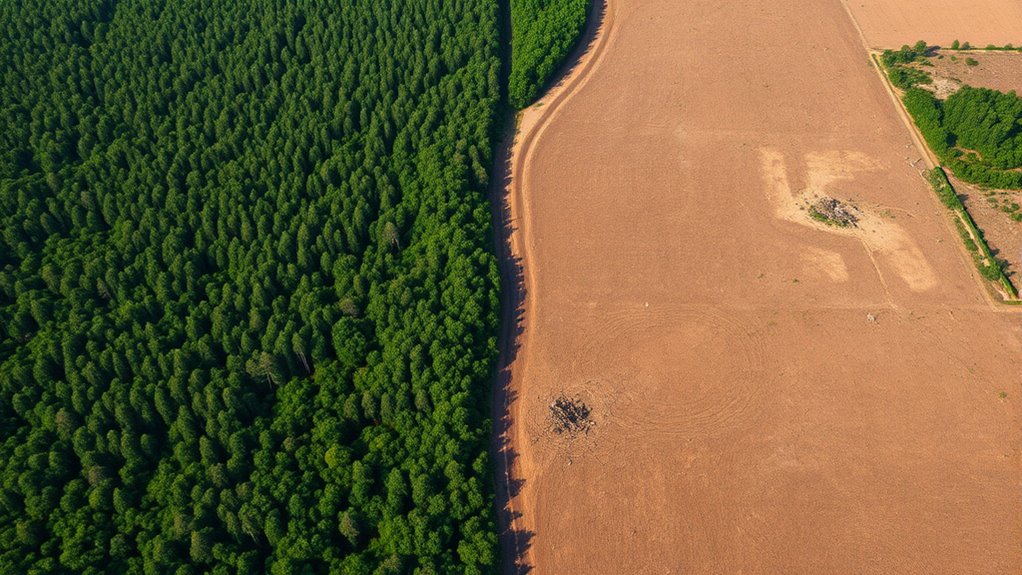
While vegan soy products are often praised for their environmental benefits, they can also contribute to deforestation in certain regions. This reality challenges the common perception that plant-based foods are always more sustainable. To truly understand the impact, you need to look at supply chain transparency—how well the origins of soy are tracked and verified. When companies provide clear information about where their soy comes from, it becomes easier for consumers like you to make informed choices. Without transparency, it’s difficult to distinguish between sustainably sourced soy and that which is linked to deforestation. This lack of clarity can inadvertently support practices that harm forests, especially in regions where enforcement of environmental laws is weak. Monitoring techniques such as satellite data are increasingly used by companies to enhance supply chain transparency and verify responsible sourcing. Your awareness as a consumer plays a pivotal role here. When you know the potential risks associated with soy production, you’re empowered to seek out brands committed to responsible sourcing. Many companies now incorporate supply chain transparency into their practices, using satellite data and other monitoring tools to trace soy fields and detect deforestation activities. Satellite data provides an objective, high-resolution view of land use changes over time, revealing whether soy cultivation is encroaching on forested areas. This technology helps verify claims of sustainable sourcing and discourages illegal or harmful land clearing. By supporting brands that utilize such data, you contribute to a market shift toward more environmentally responsible practices. It’s important to recognize that not all soy production is equally problematic. Regions like South America, particularly parts of Brazil and Argentina, are hotspots for deforestation linked to soy farming. Here, satellite imagery has been instrumental in exposing illegal land clearing and tracking the extent of forest loss. As a consumer, your demand for transparency pushes companies to adopt responsible sourcing policies and work with suppliers who prioritize forest conservation. Additionally, awareness campaigns and certifications that emphasize supply chain integrity help you identify products that align with your values.
sustainable soy sourcing certification
As an affiliate, we earn on qualifying purchases.
As an affiliate, we earn on qualifying purchases.
Frequently Asked Questions
How Does Satellite Data Accurately Track Deforestation Linked to Soy Cultivation?
Satellite technology plays a vital role in deforestation monitoring by capturing high-resolution images that reveal changes in land cover over time. You can see clear evidence of forest loss, allowing you to track areas where soy cultivation expands. This method provides accurate, real-time data that helps identify deforestation patterns, making it easier to address environmental concerns and verify claims about land use, ensuring you understand the true impact of soy farming on forests.
What Are the Environmental Impacts of Vegan Soy Beyond Deforestation?
When considering the environmental impacts of vegan soy beyond deforestation, you should focus on issues like soil erosion and water pollution. Growing soy can lead to soil degradation if not managed sustainably, making land less fertile. Additionally, runoff from soy farms can pollute nearby water sources, harming aquatic ecosystems. By choosing responsibly sourced soy, you help reduce these environmental issues and support more sustainable farming practices.
How Can Consumers Verify the Sustainability of Soy Products They Buy?
You can verify the sustainability of soy products by checking for certification labels like Rainforest Alliance or Fair Trade, which guarantee responsible sourcing. Additionally, look for traceability programs that provide transparency about the product’s origin. These tools help you make informed choices, supporting brands that prioritize environmental and social responsibility, and reducing the chance of unintentionally supporting deforestation or unsustainable practices.
Are There Regions Where Soy Cultivation Causes Less Environmental Harm?
You might wonder if some regions cause less environmental harm from soy cultivation. The answer depends on regional practices and cultivation techniques. In some areas, sustainable practices like crop rotation and low-impact farming reduce harm, while others still struggle with deforestation. By choosing soy from regions that prioritize eco-friendly methods, you support responsible agriculture. Look for certifications and regional transparency to guarantee your soy choices align with environmentally conscious cultivation techniques.
What Policies Are in Place to Regulate Soy Farming and Protect Forests?
You should know that policies like international agreements and certification standards aim to regulate soy farming and protect forests. These include commitments to sustainable practices, deforestation-free supply chains, and stricter land-use laws. By supporting companies that adhere to these standards, you help promote responsible farming. Governments and organizations continue working together to strengthen these policies, ensuring soy production minimizes environmental harm and preserves essential ecosystems for future generations.
satellite monitoring land use tools
As an affiliate, we earn on qualifying purchases.
As an affiliate, we earn on qualifying purchases.
Conclusion
Remember, appearances can be deceiving. Satellite data shows that vegan soy isn’t the forest destroyer many believe it to be. Instead, responsible sourcing and sustainable practices make a big difference. Don’t judge a book by its cover—dig deeper and stay informed. By understanding the facts, you can make better choices and challenge myths. After all, the proof is in the pudding, and in this case, the data speaks louder than assumptions.
responsible supply chain traceability products
As an affiliate, we earn on qualifying purchases.
As an affiliate, we earn on qualifying purchases.
As an affiliate, we earn on qualifying purchases.
Halloween Picks
halloween
As an affiliate, we earn on qualifying purchases.