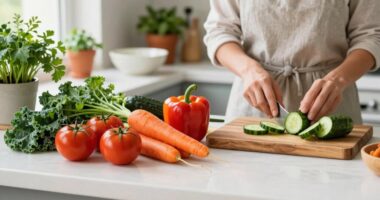
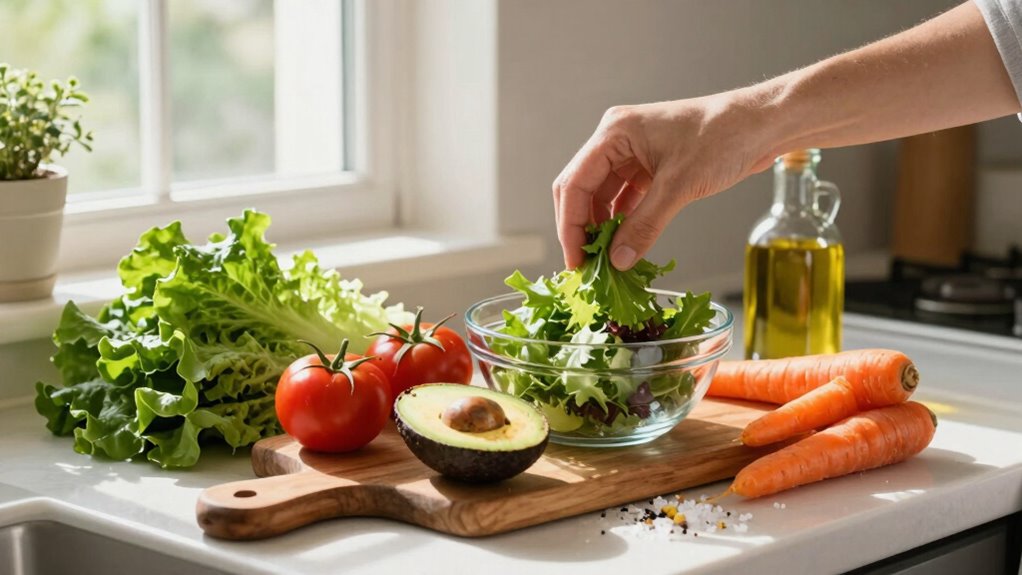

To stop overcomplicating plant-based eating, focus on small, manageable changes you can easily incorporate into your routine. Use basic, versatile ingredients like beans, rice, and vegetables, and swap dairy milk for plant-based options. Keep recipes simple, seasonings straightforward, and prep ingredients in advance to save time. Building habits around these easy steps makes plant-based eating sustainable and less overwhelming—if you want to discover more practical tips, there’s plenty to explore below.

Get health and wellness essentials delivered free with Prime
- Fast, free delivery on millions of items
- Prime Video, Amazon Music and more included
- Member-only deals all year
Key Takeaways
- Focus on small, manageable changes rather than overhauling your entire diet.
- Use versatile, basic ingredients like beans, rice, and vegetables for simplicity and variety.
- Incorporate ingredient swaps to make familiar meals healthier without added complexity.
- Keep recipes straightforward, emphasizing quick prep and minimal steps.
- Build routines around meal prepping and bulk cooking to reduce daily decision-making.
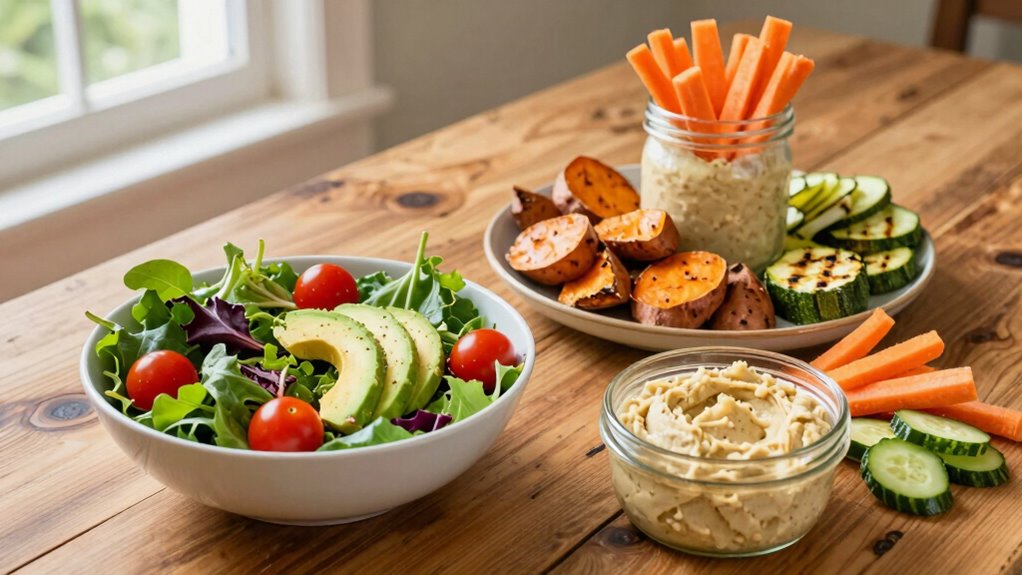
Switching to a plant-based diet doesn’t have to be complicated or overwhelming. In fact, the key is to keep things simple and focus on small, manageable changes. One effective way to do this is by incorporating smart meal prep strategies. When you plan your meals ahead of time, you avoid last-minute decisions that often lead to overcomplicating your diet. Dedicate a little time each week to prepare ingredients in bulk—chopping vegetables, cooking grains, or making plant-based protein options like beans or lentils. When your ingredients are ready to go, assembling meals becomes quicker and easier, reducing the temptation to overthink every dish. Meal prep also helps you stay consistent, minimizes waste, and keeps your grocery shopping focused. It doesn’t have to be fancy or time-consuming; even a few containers of pre-cut veggies and cooked grains can make a big difference.
Another way to simplify your plant-based eating is by making intentional ingredient swaps. Instead of overhauling your entire pantry, start by replacing familiar ingredients with healthier, plant-based alternatives. For example, swap cow’s milk for almond or oat milk, or choose tofu or tempeh instead of meat. These swaps don’t require you to learn complicated recipes; they simply integrate into your existing habits. When you’re cooking, try substituting ingredients that you already know how to prepare with plant-based options. Over time, these small swaps become second nature and help you build a balanced, satisfying diet without feeling like you’re giving up your favorite flavors or textures. Incorporating high-quality ingredients like fresh vegetables and whole grains can significantly boost the nutritional value of your meals with minimal effort. Additionally, being mindful of natural, whole foods can make your meals more satisfying and easier to prepare. Incorporating cultural content such as diverse herbs and spices can also make your meals more interesting and flavorful without adding complexity.
Keeping things straightforward also means resisting the urge to overcomplicate recipes. Focus on simple, versatile ingredients that can be used in multiple meals. Think beans, lentils, rice, vegetables, and herbs—these are affordable, nutritious, and adaptable. Instead of obsessing over complex recipes, combine these ingredients in different ways to keep variety without adding stress. For example, a rice and bean bowl can be seasoned differently with spices or topped with different vegetables, making each meal feel new without extra effort.
Ultimately, the secret to avoiding overcomplication is to prioritize practicality over perfection. Focus on creating a sustainable routine by meal prepping, making easy ingredient swaps, and sticking to simple recipes. Over time, these habits will become second nature, making plant-based eating feel natural and enjoyable rather than overwhelming. Remember, small steps lead to lasting change, and simplicity is your best friend on this journey.
plant-based milk alternatives almond oat
As an affiliate, we earn on qualifying purchases.
As an affiliate, we earn on qualifying purchases.
Frequently Asked Questions
Can I Still Enjoy My Favorite Comfort Foods Plant-Based?
Absolutely, you can still enjoy your favorite comfort foods on a plant-based diet. By using flavor enhancements like herbs, spices, and plant-based sauces, you add richness without relying on animal products. Swap ingredients smartly—think mushroom-based gravies or coconut milk for creaminess. Keep it simple and focus on satisfying flavors. This way, you preserve the comfort and taste you love while sticking to your plant-based goals.
What Are Quick, Easy Plant-Based Meal Ideas?
Think of your kitchen as a canvas for quick, delicious creations. For easy plant-based meals, try meal prep with roasted veggies, grains, and beans—then mix and match for variety. Use bold flavor combinations like spicy sriracha and creamy avocado or tangy lemon and fresh herbs. These simple tricks save time, keep meals exciting, and make plant-based eating effortless without overthinking.
How Do I Handle Social Situations Involving Non-Plant-Based Foods?
When facing social situations with non-plant-based foods, stay confident and polite. You can handle social pressure by casually explaining your dietary choices, emphasizing your health or ethical reasons. Practice good dining etiquette by focusing on the conversation instead of the food, and consider bringing your own plant-based dish to share. This approach helps you enjoy gatherings without feeling overwhelmed or judged, making your plant-based journey smoother.
Are There Affordable Plant-Based Protein Sources?
You might think affordable plant-based protein sources are hard to find, but they’re actually budget-friendly options like beans, lentils, and oats. These staples are inexpensive, versatile, and packed with protein, making them perfect for filling meals without breaking the bank. Incorporating these budget-friendly proteins into your diet is simple, nutritious, and helps you stick to a plant-based lifestyle without overcomplicating things or overspending.
How Can I Transition Gradually to a Plant-Based Diet?
Start your shift gradually by planning simple meals and doing weekly meal prep. Incorporate plant-based proteins like beans and lentils, and add more vegetables into your grocery shopping. Replace one animal product with a plant-based alternative each week, and experiment with easy recipes. Consistency is key—over time, these small changes will make the move feel natural and less overwhelming, helping you enjoy the journey toward a plant-based diet.
meal prep containers for vegetables and grains
As an affiliate, we earn on qualifying purchases.
As an affiliate, we earn on qualifying purchases.
Conclusion
Remember, when it comes to plant-based eating, sometimes less is more. Don’t let the details trip you up or make it seem harder than it is. Keep it simple—focus on whole, colorful foods and enjoy the journey. Life’s too short to overthink every bite. So, take a deep breath, embrace the basics, and realize that you’re already on the right track. After all, Rome wasn’t built in a day, and neither is a perfect plant-based routine.
plant-based protein options tofu tempeh
As an affiliate, we earn on qualifying purchases.
As an affiliate, we earn on qualifying purchases.
As an affiliate, we earn on qualifying purchases.
Cold & flu season Picks
humidifiers
As an affiliate, we earn on qualifying purchases.