

TL;DR

Get health and wellness essentials delivered free with Prime
- Fast, free delivery on millions of items
- Prime Video, Amazon Music and more included
- Member-only deals all year
Physical therapist Raj Suppiah recommends a half-kneeling hip flexor stretch, a figure-four glute stretch and an all-fours adductor stretch for stiffness associated with prolonged sitting. He says stretching may help maintain mobility, but strength and activity levels also matter; pain can have other causes.
Physical therapist Raj Suppiah has recommended three stretches that target the front, back and inner thigh areas around the hip for people who feel stiff after sitting for long periods. In a Fit&Well report, he said the movements can help maintain hip mobility, while stressing that stretching alone is not enough to build the strength and capacity needed for everyday activity.
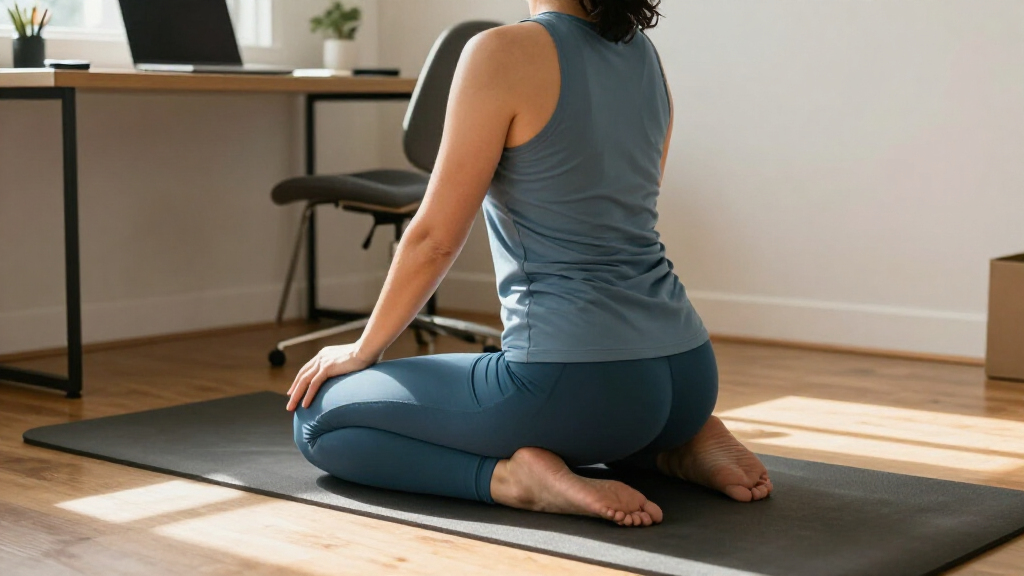
Suppiah, co-founder of Foundation Physiotherapy & Wellness, recommends a half-kneeling hip flexor stretch, a figure-four glute stretch and an all-fours adductor stretch. The set addresses different parts of the hip rather than focusing only on the muscles at the front. His guidance is to move within a comfortable range and seek advice if an exercise causes pain.
For the half-kneeling stretch, kneel with one knee on the floor and the other foot planted in front, then gently tuck the pelvis and lean forward until there is a stretch at the front of the kneeling-side hip. Suppiah suggests five to six repetitions per side, holding each for 10 seconds, and cautions against arching the lower back.
The figure-four stretch is done lying on the back with knees bent. Cross one ankle over the opposite thigh and gently draw that thigh toward the body, aiming for a comfortable stretch in the glute and hip. The third movement begins on hands and knees: extend one leg out to the side, keep the back neutral and rock the hips toward the heels to stretch the inner thigh. Suppiah’s suggested dose is five to six 10-second holds per side for the figure-four and eight to 10 six-second holds per side for the adductor stretch.
Why Hip Mobility Needs More Than Stretching
The recommendations offer a short routine for people who notice stiffness after remaining seated, but Suppiah frames hip discomfort as more than a simple consequence of sitting. He says symptoms can arise when a person’s activity exceeds what their body is prepared to handle, such as returning to sport after a mostly inactive week or quickly increasing running mileage. The exercises may help move the hip through different directions, but they are not presented as a diagnosis or a guaranteed fix.
That distinction matters because hip pain has multiple possible causes. Suppiah says arthritis, irritated tendons and pain referred from the lower back can all contribute to symptoms that feel like hip pain. Persistent, worsening or painful symptoms may need assessment rather than a stretching routine alone.
He also advises combining mobility work with regular movement and strengthening. The source report names squats as one example of an exercise that can strengthen the hips, back and core, while noting that strength and capacity help the body tolerate daily demands.
As an affiliate, we earn on qualifying purchases.
How the Three Stretches Target the Hip
Suppiah says he commonly recommends the three movements together because they target the front, back and inside of the hip. The half-kneeling position takes the hip in the opposite direction from the flexed position many people maintain while seated. The figure-four focuses on mobility through the back and outside of the hip, while the all-fours rock-back brings the inner-thigh adductors into the routine.
His explanation is that the muscles around the hip contribute to activities including walking, running, climbing stairs and getting out of a chair. The stretches are therefore presented as general mobility exercises, not as a treatment proven by the source report to resolve every kind of hip stiffness. The report provides exercise instructions and Suppiah’s professional guidance, but does not cite a clinical trial comparing these movements with other approaches.
“I commonly recommend these three stretches because together they target the front, back and inside of the hip.”
— Raj Suppiah, physical therapist and co-founder of Foundation Physiotherapy & Wellness
As an affiliate, we earn on qualifying purchases.
What the Stretching Guidance Cannot Establish
The report does not provide evidence that these specific stretches will relieve hip stiffness for everyone, nor does it give a timetable for results. It also does not establish that sitting is the cause of any individual’s hip symptoms. Suppiah notes that different conditions can feel like hip pain, including problems involving the tendons or lower back, but the article does not assess readers or offer a diagnosis.
The source material does not state how often to repeat the routine or how long to continue it. It advises staying within a comfortable range and seeking advice if the exercises cause pain. Readers with ongoing or concerning symptoms may need guidance from a qualified health professional to determine what is appropriate for them.
As an affiliate, we earn on qualifying purchases.
Pair Mobility With Gradual Strength Work
Suppiah’s guidance points readers toward using the stretches as one part of a broader approach: keep moving regularly and build strength in a way that matches current ability. The report mentions squats and other strength exercises as examples, but does not set out a personalized program or a required schedule.
For anyone trying the movements, the immediate next step is to perform them gently, stop if they cause pain and seek professional advice when symptoms persist or their cause is uncertain. No follow-up study, clinical recommendation or additional reporting milestone is given in the source material.
As an affiliate, we earn on qualifying purchases.
Key Questions
Which three exercises does Raj Suppiah recommend?
He recommends a half-kneeling hip flexor stretch, a figure-four glute stretch and an all-fours adductor stretch. Together, they target the front, back and inner-thigh areas around the hip.
How long should each stretch be held?
The source report suggests holding the half-kneeling and figure-four stretches for 10 seconds per repetition. For the all-fours adductor stretch, it suggests six-second holds, with the number of repetitions varying by movement.
Can these stretches address every cause of hip pain?
No. Suppiah says hip symptoms can have other causes, including arthritis, irritated tendons or pain coming from the lower back. The exercises are mobility suggestions, not a diagnosis or a guaranteed treatment.
What should someone do if a stretch causes pain?
The guidance says to stay within a comfortable range and seek advice if the exercises cause pain. People unsure about their symptoms can consult a qualified health professional.
Source: rss
Columbus Day / Indigenous Peoples' Day Picks
long weekend sales
As an affiliate, we earn on qualifying purchases.