


If you increase your fiber intake too quickly on a vegan diet, you risk digestive discomfort, bloating, and even constipation. Experts recommend gradually boosting your fiber intake over several weeks, aiming for about 25 grams daily for women and 38 grams for men, depending on your activity level. Jumping too fast can overwhelm your gut and cause trouble. Keep in mind, knowing how to manage your fiber intake can make a big difference—get the full details below.

Get health and wellness essentials delivered free with Prime
- Fast, free delivery on millions of items
- Prime Video, Amazon Music and more included
- Member-only deals all year
Key Takeaways
- Increasing fiber intake too rapidly can cause bloating, cramping, and digestive discomfort.
- Gradually add fiber-rich foods over several weeks to allow your gut to adapt.
- Aim for a moderate increase, keeping within recommended daily limits (women: ~25g, men: ~38g).
- Use gluten-free options like fruits, vegetables, and grains to avoid gastrointestinal issues if sensitive.
- Stay hydrated and consider fiber supplements carefully to prevent bloating and promote digestion.
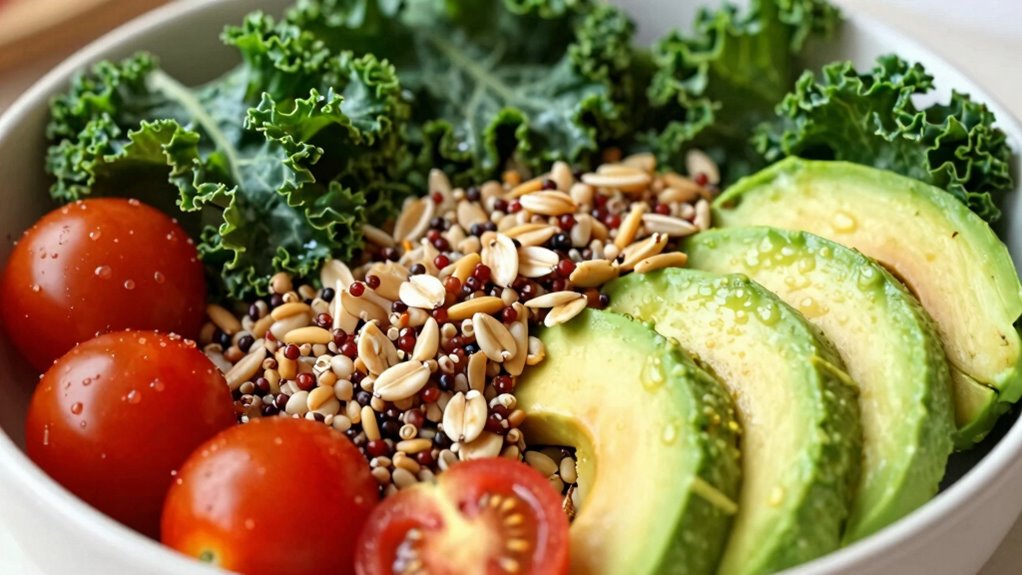
Ever wondered how much fiber you should be getting on a vegan diet? It’s a common question, especially since fiber plays such a vital role in digestion and overall health. Your ideal intake depends on your age, sex, and activity level, but generally, women aim for about 25 grams daily, while men should aim for around 38 grams. As a vegan, you’re likely consuming more fiber from plant-based foods like fruits, vegetables, beans, and whole grains. But it’s easy to get carried away and consume too much too quickly, which can lead to discomfort, bloating, or even digestive issues.
If you’re new to a vegan lifestyle or suddenly increase your fiber intake, you might run into problems, especially if you have gluten sensitivity. Gluten sensitivity can complicate things because many high-fiber foods like whole wheat bread, oats, and certain grains contain gluten. If you’re sensitive, you’ll need to be mindful of your fiber sources and choose gluten-free options like fruits, vegetables, and gluten-free grains such as rice or quinoa. Rapidly increasing fiber intake without giving your digestive system time to adjust can cause cramping, gas, and constipation. To avoid this, aim to boost your fiber gradually over several weeks, allowing your gut bacteria to adapt and helping you steer clear of uncomfortable symptoms.
Sometimes, despite your best efforts, you might find it challenging to meet your fiber goals through diet alone, especially if you’re busy or don’t enjoy high-fiber foods. That’s where fiber supplements can come into play. These supplements can provide a convenient way to increase your intake without drastically changing your diet. However, it’s important not to rely solely on fiber supplements, as they don’t offer the full range of nutrients found in whole foods. Plus, taking too much fiber too fast, whether through food or supplements, can cause bloating and gas. It’s best to start with small doses and drink plenty of water to help your body process the extra fiber smoothly. Additionally, understanding how mammography guidelines are tailored to different age groups can help you stay informed about health screening practices as you manage your overall wellness.
A gradual increase in fiber intake allows your digestive system to adjust more comfortably, reducing the risk of adverse effects. Incorporating fiber-rich foods mindfully and understanding your body’s responses can significantly enhance your digestive health and overall comfort.
As an affiliate, we earn on qualifying purchases.
Frequently Asked Questions
Can Excessive Fiber Intake Cause Nutrient Deficiencies?
Yes, excessive fiber intake can cause nutrient deficiencies. When you consume too much dietary fiber, especially from fiber supplements, it can interfere with absorption of minerals like iron, calcium, and zinc. Overloading on fiber may also slow digestion and cause bloating. To avoid deficiencies, increase your fiber intake gradually, balance it with nutrient-rich foods, and consult a healthcare professional if you’re considering high doses of fiber supplements.
How Does Fiber Affect Digestion on a Vegan Diet?
Fiber affects digestion like a gentle river guiding a boat, helping food move smoothly. On a vegan diet, fiber from fruits, vegetables, and fiber supplements promotes regularity, but too much too fast can cause bloating and gas. Incorporate digestive enzymes if needed, and gradually increase fiber intake to avoid discomfort. This balanced approach keeps your digestion happy and healthy, supporting overall well-being.
Are There Specific Fibers That Promote Better Gut Health?
Yes, certain plant-based fibers, like inulin and beta-glucans, promote better gut health. These fibers feed your gut microbiome, supporting diverse and beneficial bacteria. Consuming a variety of fiber-rich foods such as oats, legumes, and vegetables helps enhance your gut’s resilience and digestion. Gradually increasing fiber intake allows your gut to adapt without discomfort, ensuring these fibers boost your overall gut health effectively.
How Do I Balance Fiber With Other Nutrients?
You can balance fiber with other nutrients by paying attention to fiber timing and how it affects nutrient absorption. To avoid bloating or nutrient competition, eat fiber-rich foods separately from heavy protein or fat meals. Incorporate soluble fiber earlier in the day and reserve insoluble fiber for later. This approach helps your digestive system process everything smoothly, ensuring you get the benefits of fiber without compromising other essential nutrients.
What Are Signs of Too Much Fiber Too Quickly?
You might notice bloating, gas, or stomach cramps if you introduce too much fiber too quickly, especially from fiber supplements or rapid fiber timing. Sudden changes can disrupt your digestion. If you experience these symptoms, cut back and increase fiber gradually. Drinking plenty of water helps. Listen to your body, and consult a healthcare professional if symptoms persist, ensuring your fiber intake remains balanced and comfortable.
As an affiliate, we earn on qualifying purchases.
Conclusion
Remember, easing into a high-fiber vegan diet is like gently turning the volume knob on a radio—you don’t want to blast it all at once or risk overwhelming your system. Gradually increase your fiber intake to give your digestive system time to adapt. Listen to your body’s signals, stay hydrated, and enjoy the journey toward a healthier, more vibrant you—just like tending a garden that blooms beautifully with patience and care.
As an affiliate, we earn on qualifying purchases.
As an affiliate, we earn on qualifying purchases.
Halloween Picks
halloween
As an affiliate, we earn on qualifying purchases.