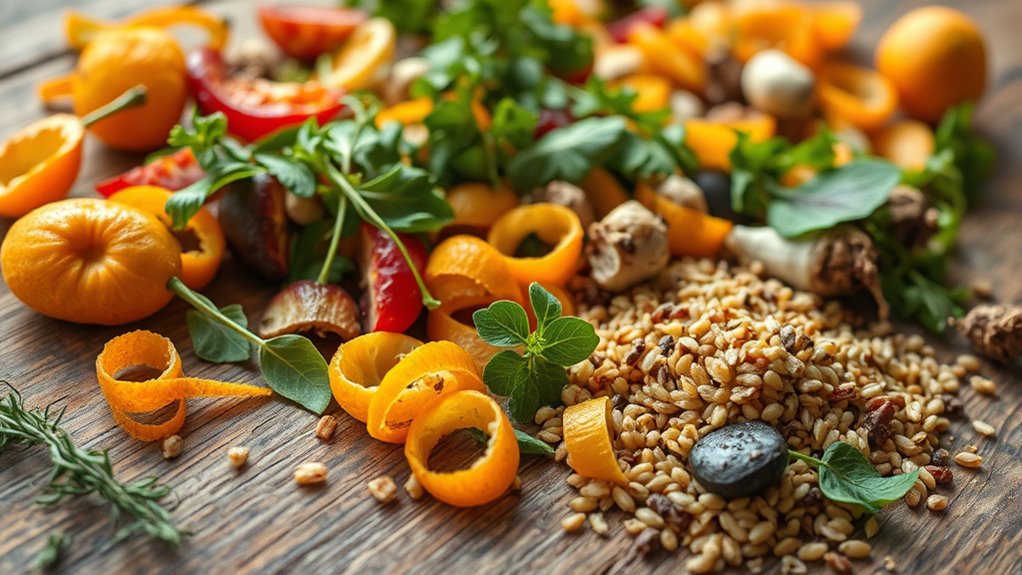

Upcycled ingredients turn food waste into nutrient-rich foods by transforming discarded or imperfect produce into valuable products. By using food pulp, bread crumbs, or leftover grains, you can enjoy tasty, nutritious options while helping reduce environmental impact. This practice supports sustainability and responsible consumption, making eco-friendly choices easier. If you want to discover how upcycling can help you adopt more sustainable habits and create delicious, resourceful foods, keep exploring.
Key Takeaways
- Upcycled ingredients transform food waste like imperfect produce and byproducts into nutritious, valuable food components.
- They help reduce environmental impact by minimizing landfill waste and promoting circular economy practices.
- Many upcycled foods retain essential nutrients such as fiber, vitamins, protein, and complex carbs.
- Consumer demand for sustainable products boosts industry innovation in upcycling food byproducts.
- Incorporating upcycled ingredients supports responsible consumption and a more sustainable, nutrient-rich diet.
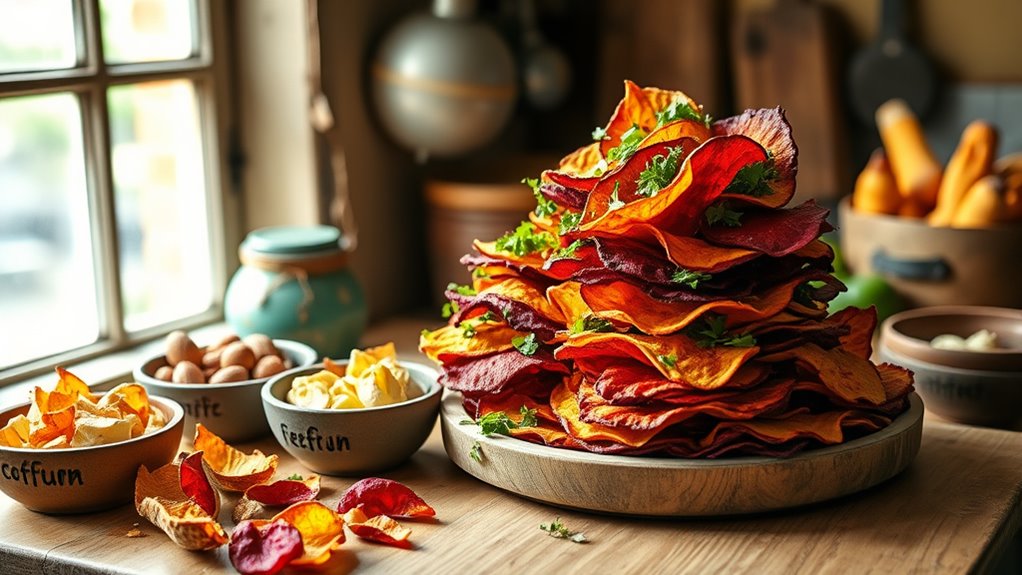
Have you ever wondered what happens to food waste that would otherwise end up in landfills? Instead of letting it go to waste, innovative solutions are turning discarded ingredients into valuable, nutrient-rich foods. Upcycled ingredients are a game-changer in the effort to reduce food waste and promote sustainable eating. By transforming imperfect produce, surplus grains, or leftover byproducts into new food items, you help cut down on unnecessary waste while enjoying delicious, wholesome products. This approach not only benefits the environment but also supports a more conscious and responsible way of eating.
When you choose products made from upcycled ingredients, you’re actively participating in food waste reduction. For example, companies are now repurposing bread crumbs from imperfect loaves or turning fruit pulp from juice production into snacks or baking ingredients. This process minimizes the amount of food discarded simply because it doesn’t meet aesthetic standards or because of surplus supply. It’s a practical way to stretch resources, cut costs, and lessen your environmental footprint. Sustainable eating becomes easier when you support brands that prioritize upcycled ingredients, as it encourages the entire food system to adopt more eco-friendly practices.
Upcycled ingredients also offer nutritional benefits. Many of these products retain the original nutrients of the raw ingredients, making them healthy additions to your diet. For instance, upcycled vegetable pulp can be rich in fiber and vitamins, while leftover grains can add protein and complex carbs. Incorporating these ingredients into your meals or snacks allows you to enjoy nutrient-dense foods without contributing to the cycle of waste. Additionally, food waste reduction can be achieved more effectively by utilizing upcycled ingredients, further amplifying their positive impact. It’s a smart way to make your diet more sustainable without sacrificing flavor or nutrition.
Upcycled ingredients are nutrient-rich and sustainable, supporting healthy eating while reducing food waste.
Furthermore, choosing upcycled food products helps raise awareness about the importance of reducing food waste. As more consumers embrace sustainable eating habits, manufacturers are motivated to innovate and develop new ways to repurpose food byproducts. This shift encourages a circular economy in the food industry, where waste becomes a resource rather than trash. By supporting upcycled foods, you’re helping to normalize this sustainable approach and inspire change across supply chains, retailers, and consumers alike.
In essence, upcycled ingredients are transforming the way we think about waste. They exemplify how small choices, like buying a snack made from leftover pulp or bread crumbs, can make a big difference. Not only do you get to enjoy tasty, nutrient-rich foods, but you also contribute to a more sustainable future. It’s a simple yet powerful way to promote food waste reduction and lead a lifestyle that values the planet, health, and responsible consumption.

Bright Side Crisps – Pineapple + Cinnamon – Just Two Ingredients: 100% Upcycled Pineapple Pulp and Cinnamon, High Fiber, No Sugar Added, Vegan, Gluten-Free, 100 Calories, Healthy All-Natural Chip and Cracker Alternative (1-Pack, 1 oz Pouch)
TWO INGREDIENTS, FULL FLAVOR: Made from 100% upcycled pineapple pulp and cinnamon—no sugar added, no preservatives, and nothing…
As an affiliate, we earn on qualifying purchases.
As an affiliate, we earn on qualifying purchases.
Frequently Asked Questions
How Do Upcycled Ingredients Impact Overall Food Safety Standards?
Upcycled ingredients can positively impact your food safety standards when you follow strict food safety protocols. You need to guarantee contamination prevention through proper handling, storage, and processing. By maintaining hygiene and quality checks, you can minimize risks associated with food waste. When managed correctly, upcycled ingredients become safe, nutrient-rich options that support sustainable practices while meeting safety requirements.
Are Upcycled Foods More Affordable Than Traditional Products?
You’ll find upcycled foods can be quite cost-effective, offering a compelling cost comparison to traditional products. Because they utilize surplus or imperfect ingredients, manufacturers often lower expenses, making these foods more economically accessible. This affordability appeals to budget-conscious buyers seeking nutritious options without breaking the bank. As a result, you benefit from sustainable, savory solutions that support both your wallet and the planet, proving that good food can be both cheap and conscientious.
What Are the Environmental Benefits of Upcycling Food Waste?
You help the environment by supporting upcycled foods, which reduce food waste and lower landfill emissions. This process often involves sustainable packaging, minimizing plastic use, and promotes renewable energy use during production. By choosing upcycled products, you contribute to conserving resources, decreasing pollution, and fostering a circular economy. Your choices make a real impact on creating a healthier planet, emphasizing sustainability at every step of the food lifecycle.
How Do Consumers Typically Respond to Upcycled Food Products?
You might be curious about how consumers respond to upcycled food products. Generally, consumer acceptance varies; some appreciate the sustainability aspect, while others are hesitant due to marketing challenges or misconceptions. To boost acceptance, clear communication about benefits and safety is essential. When brands address concerns transparently, it encourages more people to try upcycled foods, making them more mainstream and helping reduce food waste effectively.
What Regulations Govern the Use of Upcycled Ingredients in Foods?
It’s a coincidence that regulations around upcycled ingredients are evolving alongside your interest in sustainable foods. You need to guarantee legal compliance by following specific labeling regulations that clearly identify upcycled ingredients. Regulations vary by region, so stay informed about local food safety standards and labeling requirements to avoid legal issues. By adhering to these rules, you can confidently incorporate upcycled ingredients into your products, emphasizing transparency and consumer trust.

Rubbermaid Commercial Products Slim Jim Plastic Rectangular Recycling Bin/Trash Can with Venting Channels 23 Gal Blue for Kitchens/Classrooms/Offices/Back of House
RECYCLE: Blue color and recycling symbol for improved waste diversion
As an affiliate, we earn on qualifying purchases.
As an affiliate, we earn on qualifying purchases.
Conclusion
By embracing upcycled ingredients, you become a steward of change, transforming food waste into nutrient-rich treasures. It’s like turning trash into treasure, proving that sustainability isn’t just a goal but a delicious reality. Every conscious choice you make helps close the loop, nourishing both your body and the planet. Together, you and upcycled foods can rewrite the story of waste, proving that even discarded ingredients hold the seed of a greener, healthier future.

Renewal Mill Dark Chocolate Brownie Mix 18 oz, Gluten-Free, Vegan, Non-GMO, Upcycled Ingredients I Easy to Make in One Bowl, Only Requires Oil and Water, Kid-Friendly | Packaging May Vary
Deliciously fudgy, chewy dark chocolate brownie mix, perfect for one or for the whole family
As an affiliate, we earn on qualifying purchases.
As an affiliate, we earn on qualifying purchases.

HOLY SCRAP! 100% Compostable Food Storage Bags SANDWICH Size – 100 Pack – Resealable Extra Strength Zip Seal Bags Made from Plants, Eco Friendly, Freezer Safe – BPI Certified, OK Compost Home
NATURAL & ECO-FRIENDLY: HOLY SCRAP! 100% Compostable Sandwich Bags, made from plant starches, are non-toxic and contain NO…
As an affiliate, we earn on qualifying purchases.
As an affiliate, we earn on qualifying purchases.