
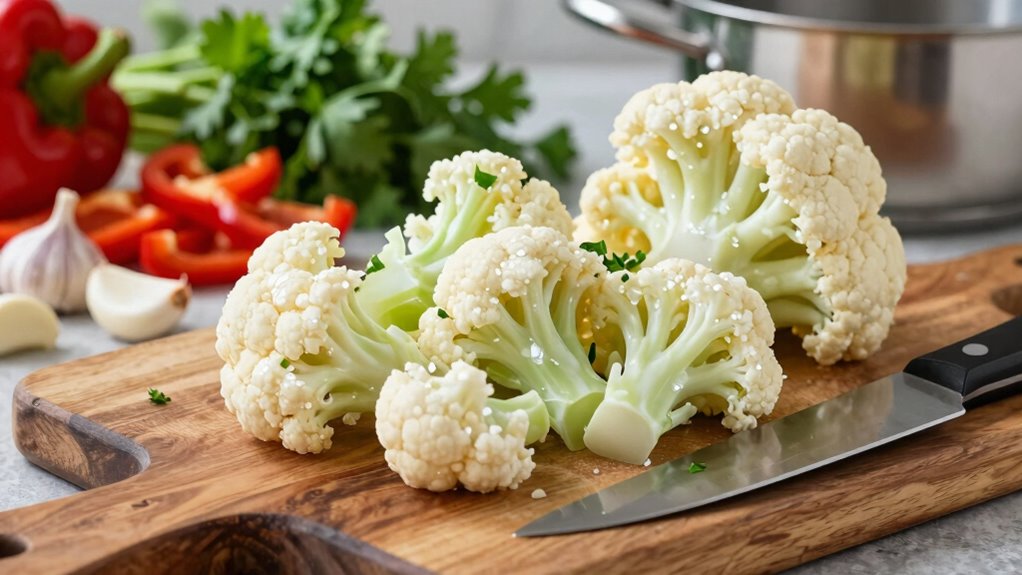

To elevate your vegan cauliflower dishes, experiment with bold spices like turmeric, smoked paprika, or curry powder to add vibrant flavor. Toss it with tangy ingredients such as lemon juice, tahini, or apple cider vinegar for zest, and incorporate fresh herbs like cilantro or dill for brightness. Try different cooking methods beyond roasting or steaming, like stir-fries or salads, to make cauliflower the star of your meal. Keep exploring these ideas to discover even more delicious possibilities.

Get health and wellness essentials delivered free with Prime
- Fast, free delivery on millions of items
- Prime Video, Amazon Music and more included
- Member-only deals all year
Key Takeaways
- Incorporate bold spices like turmeric, curry powder, or smoked paprika for vibrant vegan cauliflower dishes.
- Use cauliflower to create creamy sauces or dips using tahini, coconut milk, or blended vegetables.
- Add chopped cauliflower to salads, stir-fries, or grain bowls for texture and flavor variety.
- Experiment with roasting, steaming, or frying cauliflower to diversify vegan meal preparations.
- Store cauliflower properly, especially after blanching or freezing, to maintain freshness and flavor for vegan recipes.
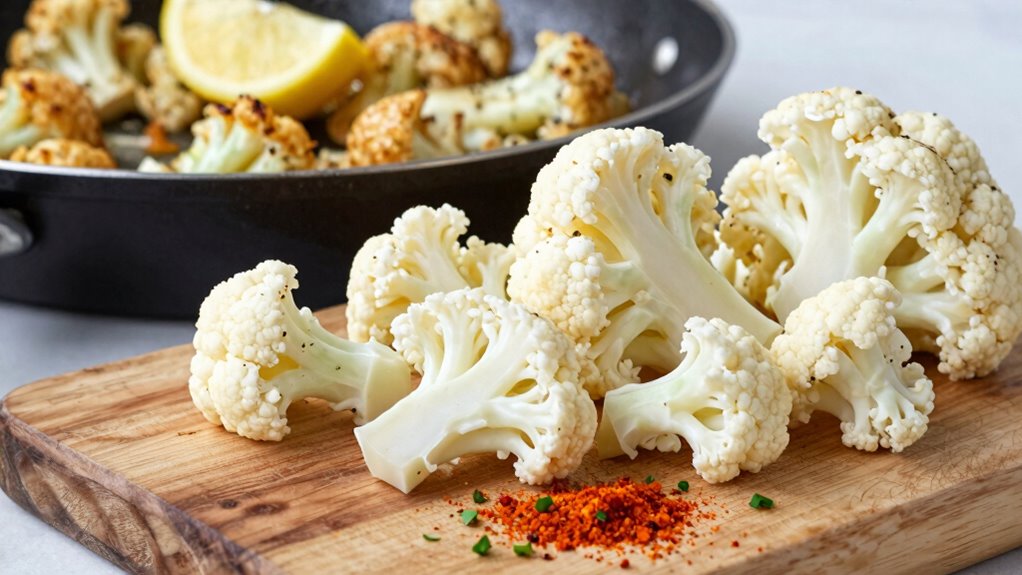
Are you looking for ways to make cauliflower a more exciting and versatile ingredient in your vegan recipes? Cauliflower is incredibly adaptable, but unlocking its full potential requires exploring flavor combinations and proper storage techniques. When experimenting with cauliflower, think beyond simple roasting or steaming. Try pairing it with bold spices like turmeric, smoked paprika, or curry powder to create vibrant dishes, or toss it with tangy ingredients such as lemon juice, apple cider vinegar, or tahini for a zesty twist. Mixing cauliflower with herbs like cilantro, parsley, or dill can also brighten its flavor and add a fresh touch to salads, bowls, or stir-fries. These cauliflower flavor combinations allow you to craft diverse dishes that appeal to a wide range of tastes, transforming this humble vegetable into the star of your meals.
Additionally, understanding refrigeration practices can help prevent spoilage and extend the freshness of your cauliflower. To maximize cauliflower’s versatility, you need to handle its storage properly. Cauliflower storage tips are essential in keeping it fresh and maintaining its flavor for as long as possible. When you bring cauliflower home, keep it unwashed and store it in a perforated plastic bag in the crisper drawer of your refrigerator. This helps regulate humidity and prevents excess moisture that can cause mold or spoilage. For longer-term storage, consider blanching cauliflower florets and freezing them in airtight containers or freezer bags. This method preserves the texture and flavor, allowing you to use cauliflower in soups or stir-fries even months later. Proper storage techniques can significantly extend the shelf life of cauliflower and reduce food waste. Additionally, understanding the optimal temperature range for storing vegetables can help you keep cauliflower and other produce fresher for longer. Maintaining consistent temperature control in your refrigerator is key to keeping vegetables at their best. Avoid washing cauliflower before storing, as excess moisture encourages spoilage; instead, wash it just before cooking. If you notice any brown spots or signs of spoilage, remove those parts immediately to prevent the spread to the rest of the head. Being aware of proper handling practices can also help prevent damage and spoilage during storage and transportation.
Experimenting with cauliflower flavor combinations not only broadens your culinary horizons but also helps you incorporate more plant-based ingredients into your diet effortlessly. Whether you’re creating a spicy roasted cauliflower dish, a creamy cauliflower sauce, or a tangy salad, knowing how to store cauliflower effectively ensures that it stays fresh and flavorful. This way, you’re always ready to whip up a quick, delicious vegan meal without the worry of waste or spoilage. Keep a few cauliflower heads in your fridge or freezer, and use these storage tips to enjoy the vegetable at its best. With a little creativity and proper handling, cauliflower becomes an endlessly adaptable ingredient that elevates your vegan cooking to new heights.
As an affiliate, we earn on qualifying purchases.
Frequently Asked Questions
Can Cauliflower Replace All Types of Grains in Vegan Recipes?
Cauliflower can’t replace all grains in vegan recipes, but it’s a versatile alternative. Its nutritional benefits include fiber, vitamins, and antioxidants. You can use cauliflower as a rice or couscous substitute by employing cauliflower cooking techniques like pulsing in a food processor or sautéing. While it works well in many dishes, it’s best paired with grains or legumes to guarantee balanced nutrition and texture in your vegan meals.
What Are the Best Cauliflower Varieties for Vegan Dishes?
Imagine selecting a versatile artist for your vegan palette—go for the white or purple cauliflower varieties. Their neutral and slightly sweet flavor profiles act like a blank canvas, ready to absorb flavors while offering impressive nutritional benefits like fiber, vitamins, and antioxidants. These varieties shine in dishes, from creamy sauces to crunchy roasted bites, making your vegan cooking both colorful and nourishing.
How Do I Store Cauliflower to Maximize Freshness?
To maximize freshness, store cauliflower properly by keeping it in the refrigerator’s crisper drawer, ideally unwashed in a breathable plastic bag or perforated container. Cauliflower storage like this preserves its moisture and prevents spoilage. Avoid washing before storage to prevent mold. Check regularly and use within a week for best freshness preservation. Proper storage keeps your cauliflower crisp, fresh, and ready for your vegan dishes.
Is Cauliflower Suitable for Raw Vegan Recipes?
Yes, cauliflower is perfect for raw vegan recipes, and about 90% of its nutrients stay intact when eaten raw. Its mild, slightly nutty flavor profile enhances salads, wraps, and veggie bowls. Cauliflower offers impressive nutritional benefits, including high vitamin C and fiber content. You’ll enjoy its crunchy texture and versatile nature, making it a delicious and healthful addition to any raw vegan dish.
Can Cauliflower Be Used to Make Vegan Cheese?
Yes, you can use cauliflower to make vegan cheese. Its mild cauliflower flavor provides a neutral base that blends easily with ingredients like nutritional yeast, cashews, and lemon juice to create a creamy, cheesy texture. When you process cooked cauliflower with these components, you get a versatile vegan cheese that melts well and can be used in dips, sauces, or spread on your favorite dishes.
As an affiliate, we earn on qualifying purchases.
Conclusion
Remember, in vegan cooking, cauliflower is your versatile friend. Don’t shy away from experimenting—roast, mash, or rice it to add flavor and texture to your dishes. With a little creativity, you can turn this humble veggie into a star ingredient. As the saying goes, “Practice makes perfect.” So keep trying new approaches, and soon cauliflower will become your go-to for delicious, plant-based meals that everyone will love.
As an affiliate, we earn on qualifying purchases.
As an affiliate, we earn on qualifying purchases.
Cold & flu season Picks
humidifiers
As an affiliate, we earn on qualifying purchases.