

To support strong bones on a vegan diet, focus on calcium-rich plant foods like leafy greens, fortified plant milks, and sesame seeds. Pair these with vitamin D sources such as UV-exposed mushrooms or fortified foods to enhance absorption. Avoid habits that harm bone health and include weight-bearing exercises. By combining proper nutrition with lifestyle habits, you can maintain healthy bones beyond just consuming calcium. Keep exploring to discover more ways to optimize your bone health.
Key Takeaways
- Incorporate vitamin D-rich foods like fortified plant milks and UV-exposed mushrooms to enhance calcium absorption.
- Consume plant-based calcium sources such as leafy greens, sesame seeds, and fortified foods consistently.
- Pair calcium sources with vitamin D to optimize bone mineralization and support overall bone health.
- Engage in weight-bearing exercises to strengthen bones and prevent osteoporosis.
- Minimize intake of caffeine, salt, and avoid smoking to reduce factors that negatively impact bone density.
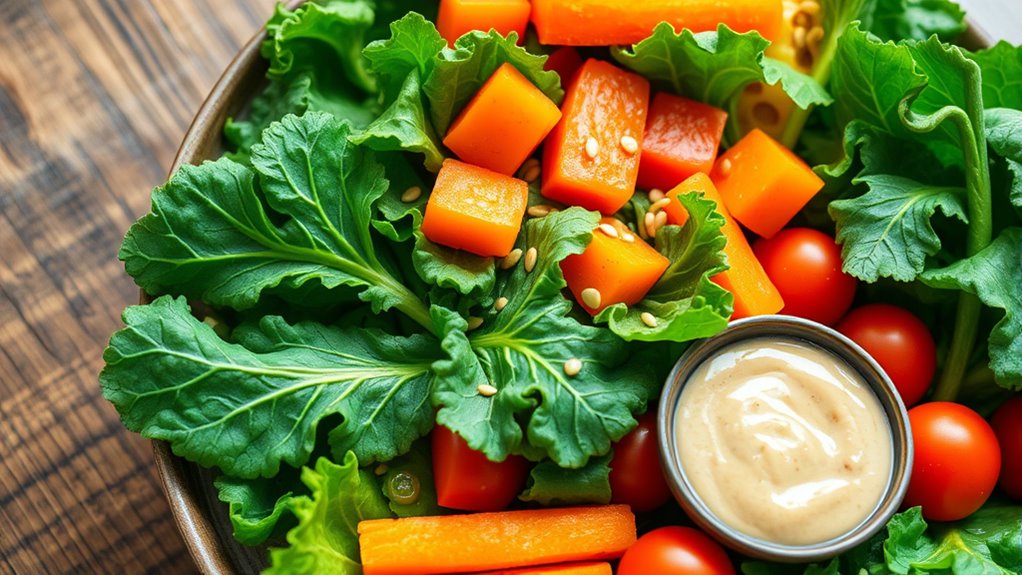
Many people choose vegan diets for health, ethical, or environmental reasons, but they often wonder how these diets impact bone health. While calcium is traditionally linked to strong bones, vegans need to look beyond dairy and animal products for essential nutrients. Fortunately, plant-based calcium sources are abundant and can effectively support your bone strength if incorporated thoughtfully. Leafy greens like kale, collard greens, bok choy, and broccoli provide calcium that your body can absorb, especially when prepared properly. Fortified plant milks, such as almond, soy, or oat milk, are another excellent way to boost your calcium intake without dairy. Additionally, foods like tahini, almonds, sesame seeds, and figs contribute meaningful amounts of calcium to your diet.
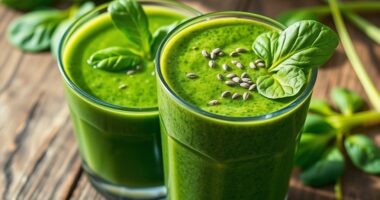
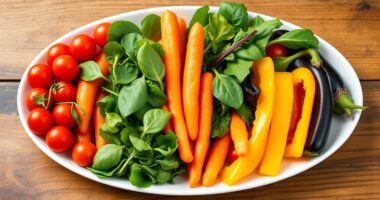
Plant-based sources like leafy greens and fortified milks support strong bones on a vegan diet.
However, calcium alone isn’t enough. Your body also relies heavily on vitamin D to absorb and utilize calcium efficiently. As a vegan, you might not get enough vitamin D from sunlight alone, especially during winter months or if you spend most of your time indoors. Luckily, there are plant-based vitamin D sources that help bridge this gap. Fortified foods are your best bet—look for plant-based milks, orange juices, cereals, and nutritional yeast that have added vitamin D2 or D3 derived from lichen. Some mushrooms, such as maitake and UV-exposed varieties, naturally contain vitamin D, making them a valuable addition to your meals. While supplements can be beneficial, it’s wise to consult with a healthcare professional to determine if you need to add vitamin D supplements to your routine.
Balancing your intake of plant-based calcium and vitamin D sets a strong foundation for bone health. To maximize absorption, pair calcium-rich foods with vitamin D sources during meals. For example, enjoy fortified oatmeal with a handful of almonds or sauté greens like kale with mushrooms. Keep in mind that factors like excessive caffeine, high salt consumption, and smoking can hinder bone health, so moderation is key. Regular weight-bearing exercise also plays a crucial role in maintaining strong bones, so stay active alongside your dietary efforts.
In essence, maintaining bone health on a vegan diet requires a strategic approach to nutrition. By focusing on plant-based calcium sources and ensuring adequate vitamin D intake from fortified foods, mushrooms, and supplements when necessary, you can support your bones effectively. Optimizing nutrient intake is essential for long-term bone health, especially when following a plant-based lifestyle. With mindful eating habits and a balanced lifestyle, you don’t have to compromise your bone strength while sticking to a vegan lifestyle.
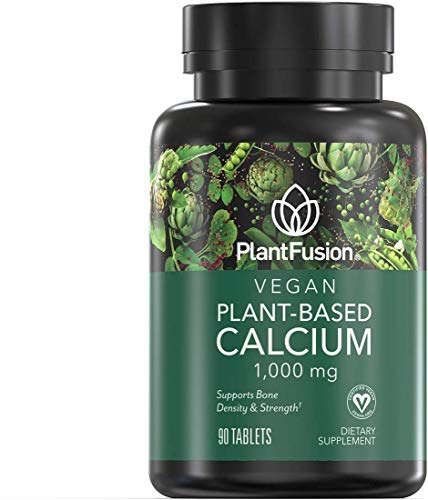
PlantFusion Vegan Calcium, Premium Plant Based Calcium (1000mg) Sourced from Icelandic Red Algae, Plus Magnesium, D3, K2, and Boron, 90 Vegan Tablets
PLANT BASED CALCIUM MAGNESIUM: We start with a scientifically validated and trademarked source of calcium/magnesium concentrated to 1000mg…
As an affiliate, we earn on qualifying purchases.
As an affiliate, we earn on qualifying purchases.
Frequently Asked Questions
Can Vegans Maintain Optimal Bone Density Without Dairy?
Yes, you can maintain ideal bone density without dairy by focusing on calcium absorption and bone mineralization. Incorporate plant-based sources like leafy greens, fortified plant milks, and nuts. Guarantee adequate vitamin D intake to enhance calcium absorption, and include magnesium-rich foods to support bone health. Regular weight-bearing exercises also promote bone mineralization. With these strategies, you can effectively support your bone health on a vegan diet.
What Are the Best Plant-Based Sources of Bone-Strengthening Nutrients?
You can reinforce your bones with plant-based calcium sources like fortified plant milks, leafy greens, and tofu. Don’t forget vegan magnesium sources such as nuts, seeds, whole grains, and legumes, which play a crucial role in bone health. Incorporating a variety of these foods ensures you get the essential nutrients needed to maintain ideal bone density without dairy, supporting your overall skeletal strength naturally.
How Does Veganism Affect Fracture Risk Over Time?
Like a delicate house of cards, your fracture risk can increase over time if your vegan diet lacks key nutrients. Veganism may affect calcium absorption and bone remodeling, making bones more fragile. Without adequate intake of plant-based sources rich in magnesium and vitamin K, your bones might weaken. To reduce fracture risk, focus on nutrient-rich foods that support bone strength and guarantee proper mineral absorption.
Are There Specific Supplements Recommended for Vegan Bone Health?
You should consider taking supplements like plant-based calcium and vegan magnesium to support your bone health. These nutrients help maintain bone density and strength, especially on a vegan diet where you might miss out on certain nutrients from animal products. Incorporate plant-based calcium sources like fortified plant milks and leafy greens, and guarantee you’re getting enough vegan magnesium through nuts, seeds, and dark chocolate for ideal bone support.
How Does Vitamin D Intake Differ for Vegans Compared to Omnivores?
You need to be mindful of your Vitamin D intake since vegan sources are limited. Unlike omnivores, who get Vitamin D from fish and dairy, vegans rely on fortified foods, supplements, and sun exposure habits. To maintain healthy levels, spend time outdoors regularly and consider taking a vegan-friendly Vitamin D supplement, especially during months with limited sunlight, ensuring your bones stay strong and your overall health stays on track.
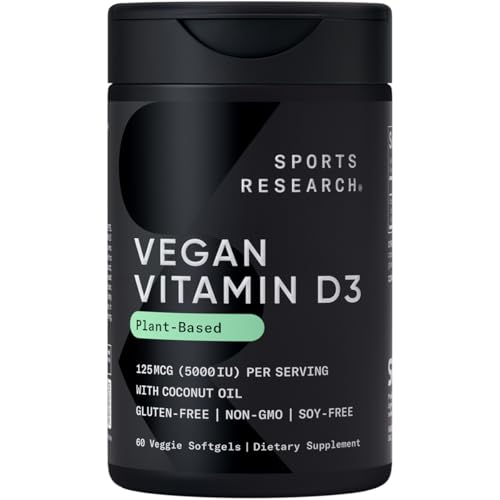
Sports Research Vegan Vitamin D3 5000IU (125 mcg) with Coconut Oil | 100% Plant-Based Vitamin D for Bone, Joint & Immune Support | Carrageenan Free, Vegan Certified & Non-GMO Verified (60 Softgels)
VEGAN D3: Sports Reseach Vegan Vitamin D3 supplement contains the trademark ingredient VegaDelight, a sustainable source of vegan…
As an affiliate, we earn on qualifying purchases.
As an affiliate, we earn on qualifying purchases.
Conclusion
By now, you see that vegan diets impact bone health much like a garden needs careful tending—balancing calcium, vitamin D, and other nutrients is key. With mindful choices, you can nurture strong bones that stand tall and resilient. Think of your diet as a sturdy bridge—built on diverse, nutrient-rich foods—to support your health journey. Stay informed, diversify your meals, and keep your bones robust, just like a well-tended garden blooming with vitality.

PLANTSTRONG MILK Unsweetened Oat – Whole Plant-Based Milk, Fortified with Calcium, B12 & D3, No Gums or Oils, Non-GMO Project Verified, Gluten Free, Vegan (6-Pack (32 Fl Oz Each)) + Recipe Guide
WHOLE OAT, CLEAN TASTE: Made using every part of the oat for more of the good stuff, better…
As an affiliate, we earn on qualifying purchases.
As an affiliate, we earn on qualifying purchases.

Real Mushrooms Vitamin D2 from Shiitake & Agaricus – Vegan Mushroom-Based D Supplement – Vitamins for Overall Wellness Support– Organic, Non-GMO, 1000 IU – 120 Count Functional Mushroom
Vegan Vitamin D2 from Organic Mushrooms: D2 sourced from UV-exposed organic shiitake and agaricus mushrooms—made only from fruiting…
As an affiliate, we earn on qualifying purchases.
As an affiliate, we earn on qualifying purchases.