
If you’re experiencing brain fog on a vegan diet, check your levels of vitamin B12 and iron first, as deficiencies in these nutrients are common causes. B12 is essential for brain function and energy, while iron helps deliver oxygen to your brain. Incorporating fortified foods, pairing iron-rich plant sources with vitamin C, and considering supplements can make a big difference. Want to uncover more ways to restore mental clarity? Keep exploring.
Key Takeaways
- Check for vitamin B12 deficiency, as it’s common in vegans and affects brain function.
- Monitor iron levels, since low iron impairs oxygen delivery to the brain, causing mental fatigue.
- Ensure adequate intake of fortified foods and pairing plant-based iron sources with vitamin C for better absorption.
- Regular blood tests and supplements can help identify and correct deficiencies before blaming carbs.
- Addressing nutrient gaps early restores mental clarity and prevents brain fog linked to dietary deficiencies.
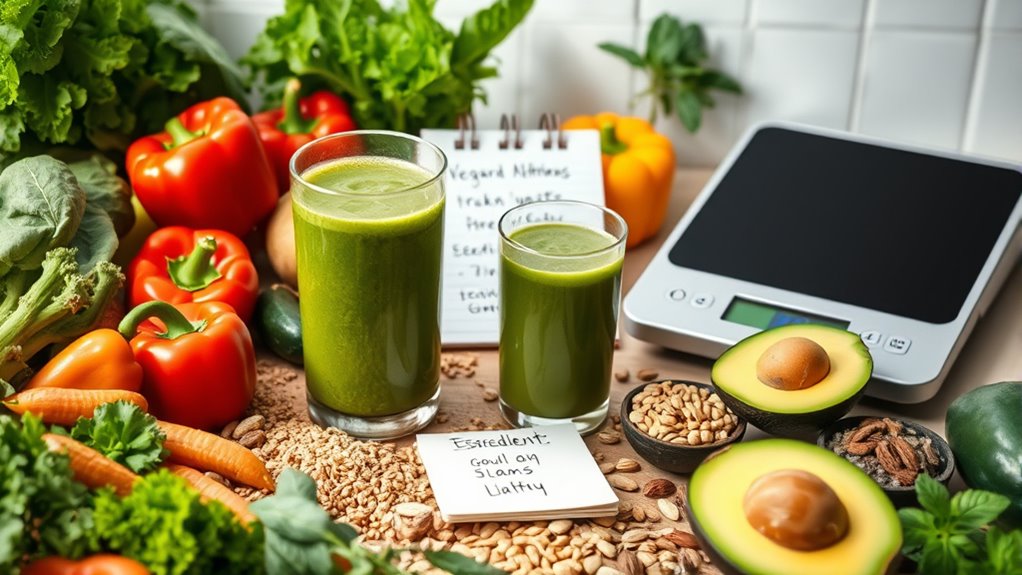
Many people adopting a vegan diet report experiencing brain fog, a frustrating state of mental cloudiness and confusion. It’s easy to chalk this up to adjusting to new eating habits, but often, the cause is more specific than just “diet change.” Nutrients like vitamin B12 and iron play critical roles in maintaining brain health and energy levels. When these nutrients are lacking, they can lead to symptoms like forgetfulness, difficulty concentrating, and mental fatigue. If you’re experiencing brain fog on a vegan diet, it’s worth examining whether you’re getting enough of these vital nutrients before blaming carbs or other factors.
Vitamin B12 is one of the most common deficiencies among vegans because it naturally occurs in animal products. Without enough B12, your brain’s nerve function can deteriorate, leading to cognitive issues and mental sluggishness. Symptoms often include memory problems, confusion, and a lack of focus. Since B12 is stored in the liver and needs time to deplete, deficiency symptoms can appear gradually, making it easy to overlook. To prevent this, you should incorporate fortified foods or consider B12 supplements, especially if your blood tests reveal low levels. Regular check-ups can help catch deficiencies early and keep your brain functioning optimally.
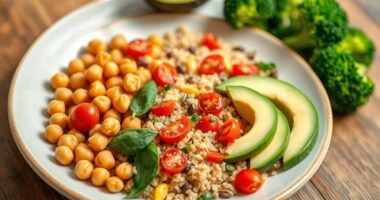
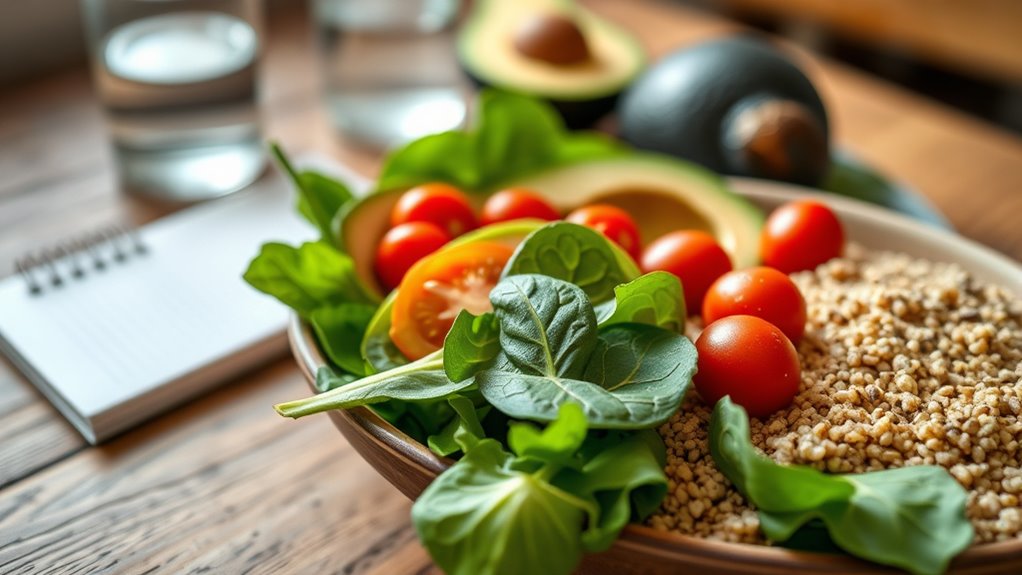
Iron deficiency is another concern that can contribute to brain fog. Iron is essential for producing hemoglobin, which carries oxygen to your brain and other organs. When iron levels drop, oxygen delivery diminishes, impairing cognitive functions and causing fatigue. Vegans often struggle with iron absorption because plant-based sources contain non-heme iron, which isn’t as easily absorbed as the heme iron found in animal products. To improve absorption, pair iron-rich foods like lentils, spinach, and fortified cereals with vitamin C-rich foods such as citrus fruits or bell peppers. If you suspect iron deficiency, a simple blood test can confirm it. Supplementation might be necessary, but always consult a healthcare professional to determine the right approach.
Additionally, choosing hydrocolloid acne patches over traditional treatments can aid in skin healing and reduce inflammation, which can sometimes be confused with mental fatigue or stress-related symptoms.
Before pointing fingers at carbs or blaming your vegan diet, take a close look at your intake of vitamin B12 and iron. These nutrients are essential for brain function and energy, and deficiencies can cause or worsen brain fog. Ensuring a well-planned vegan diet that includes fortified foods, supplements, and nutrient-dense plant sources can make a significant difference. If symptoms persist, it’s best to seek medical advice and get your nutrient levels checked. Addressing deficiencies early can restore your mental clarity and help you feel more energized and focused.
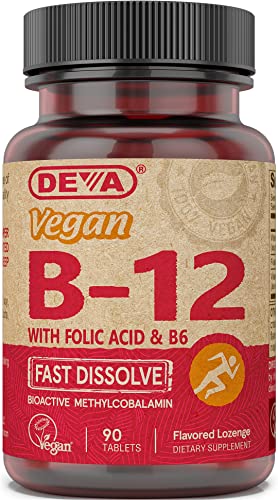
DEVA Vegan Vitamin B12 Fast Dissolve Supplement – Once-Per-Day Complex with 1000 Mcg Methylcobalamin B12, Folic Acid, B6 – Lemon Flavor – 90 Dissolvable Tablets,
B12, is not significantly found in plant foods. Deva Vegan B12 supplements are available in the more bioavailable…
As an affiliate, we earn on qualifying purchases.
As an affiliate, we earn on qualifying purchases.
Frequently Asked Questions
Can Dehydration Cause Brain Fog on a Vegan Diet?
Dehydration can indeed cause brain fog, especially if you’re not using proper hydration strategies. When you’re dehydrated, electrolyte imbalance occurs, which affects brain function and focus. Make sure you’re drinking enough water and replenishing electrolytes with plant-based sources like coconut water or electrolyte drinks. Staying well-hydrated keeps your mind sharp, so don’t overlook hydration as a simple but vital step to clear brain fog.
Are Food Sensitivities Linked to Mental Clarity Issues?
While food sensitivities might seem minor, they can markedly impact your mental clarity. A food allergy or poor gut health often triggers inflammation, leading to brain fog. Don’t overlook this connection; addressing gut health and identifying specific food sensitivities can restore focus. Sometimes, what you eat quietly influences your mind’s sharpness, making it essential to explore these sensitivities before blaming other factors like carbs or dehydration.
How Does Sleep Quality Affect Brain Fog in Vegans?
Sleep quality plays a vital role in brain fog, especially for vegans. When you practice good sleep hygiene and support your circadian rhythms, you help your brain reset and function properly. Poor sleep disrupts these rhythms, leading to mental fog and fatigue. Prioritize regular sleep schedules, limit screen time before bed, and create a relaxing nighttime routine to improve sleep quality, ultimately reducing brain fog and enhancing mental clarity.
Could Hormonal Imbalances Contribute to Mental Fog?
Hormonal fluctuations can be like a rollercoaster, causing mental fog you can’t shake. If your hormones are out of balance, it might affect your mood, energy, and focus. Thyroid health plays a key role here—an underactive or overactive thyroid can contribute to brain fog. Checking hormone levels and supporting thyroid function could help clear your mind, so don’t overlook hormonal imbalances when seeking solutions.
Is Stress a Factor in Vegan-Related Brain Fog?
Stress can definitely contribute to brain fog, especially if you’re not practicing effective stress management. When stress levels stay high, your mental health can suffer, leading to decreased focus and clarity. As a vegan, it’s essential to prioritize relaxation techniques, get enough sleep, and maintain a balanced diet to support your mental health. Managing stress helps reduce brain fog and boosts overall well-being, so don’t overlook its impact.

PlantFusion Vegan Iron Supplements from, Premium Plant Based Iron Supplements for Women and Men (25mg), Plus Folate & B12, 90 Veggie Capsules
NATURAL IRON SUPPLEMENTS: We start with a scientifically validated and patented source of natural iron concentrated to 25mg…
As an affiliate, we earn on qualifying purchases.
As an affiliate, we earn on qualifying purchases.
Conclusion
Before blaming carbs for your brain fog, check your nutrients. Imagine a vibrant garden, each plant representing a essential vitamin or mineral—neglect one, and the entire landscape suffers. Your brain needs balanced nourishment to stay clear and sharp. Instead of pointing fingers at carbs, consider the bigger picture. When your nutrients are in harmony, that fog lifts, revealing mental clarity. Nourish wisely, and watch your mind bloom with vitality.

Deva Nutrition Vegan Chelated Iron 29 mg Fortified with B-12 – High Potency, Easy to Swallow – 90 Tablets, 1-Pack
IRON AMINO ACID CHELATES: Commonly used to fortify food iron amino acid chelates have been supported by many…
As an affiliate, we earn on qualifying purchases.
As an affiliate, we earn on qualifying purchases.
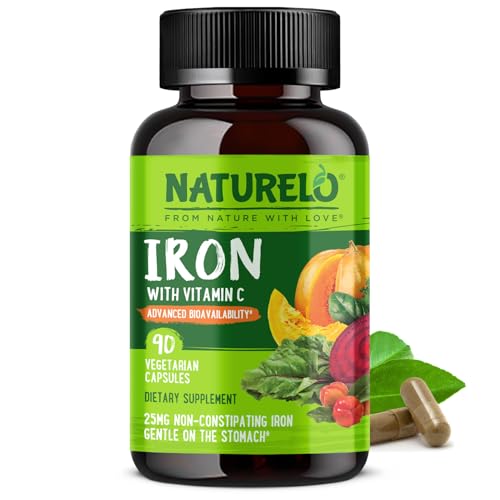
NATURELO Vegan Iron Supplement with Vitamin C and Organic Whole Foods – Gentle Iron Pills for Women & Men with Iron Deficiency Including Pregnancy, Anemia and Vegan Diets – 90 Mini Capsules
GENTLE VEGAN IRON SUPPLEMENT: 25 mg of Iron with Vitamin C from Organic Acerola Cherries and Iron-Rich Whole…
As an affiliate, we earn on qualifying purchases.
As an affiliate, we earn on qualifying purchases.