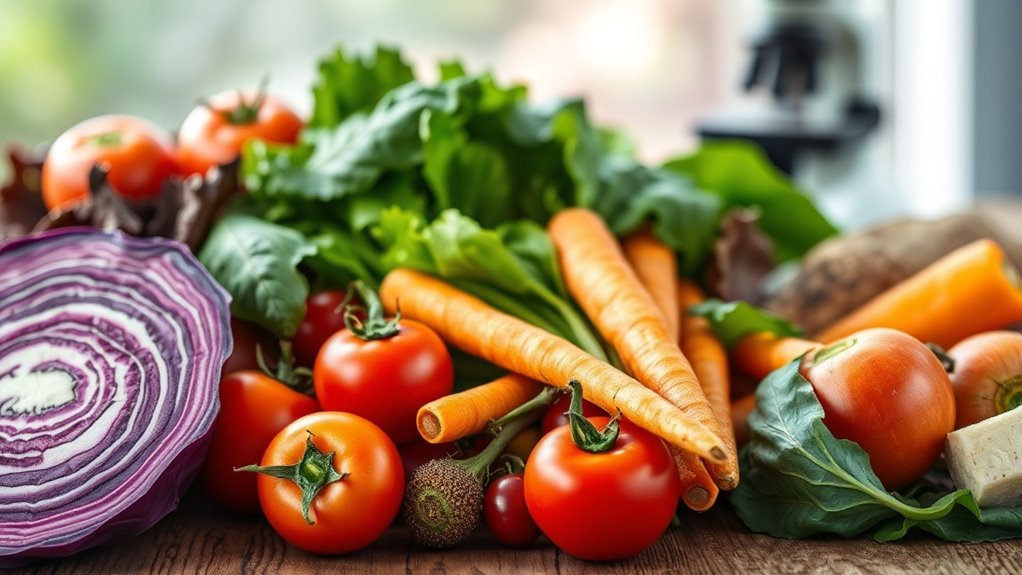

A plant-based diet boosts your gut microbiome by increasing fiber diversity, which fuels beneficial bacteria and promotes resilience. This leads to a more balanced ecosystem that produces helpful compounds like short-chain fatty acids, supporting gut health and reducing inflammation. A varied plant-based diet helps your microbiome adapt and recover from disruptions, strengthening your overall well-being. If you’re curious how this impacts your health further, there’s plenty more to explore.

Get health and wellness essentials delivered free with Prime
- Fast, free delivery on millions of items
- Prime Video, Amazon Music and more included
- Member-only deals all year
Key Takeaways
- Plant-based diets increase fiber diversity, promoting a more resilient and balanced gut microbiome.
- Diverse fibers support various beneficial bacteria that produce health-promoting SCFAs like butyrate.
- A varied plant-based diet enhances microbial resilience, aiding recovery from disruptions and maintaining gut health.
- Increased dietary fiber diversity fosters microbiome stability, reducing inflammation and supporting immune function.
- Scientific evidence links plant-based diets with increased microbial diversity, contributing to overall gut and metabolic health.
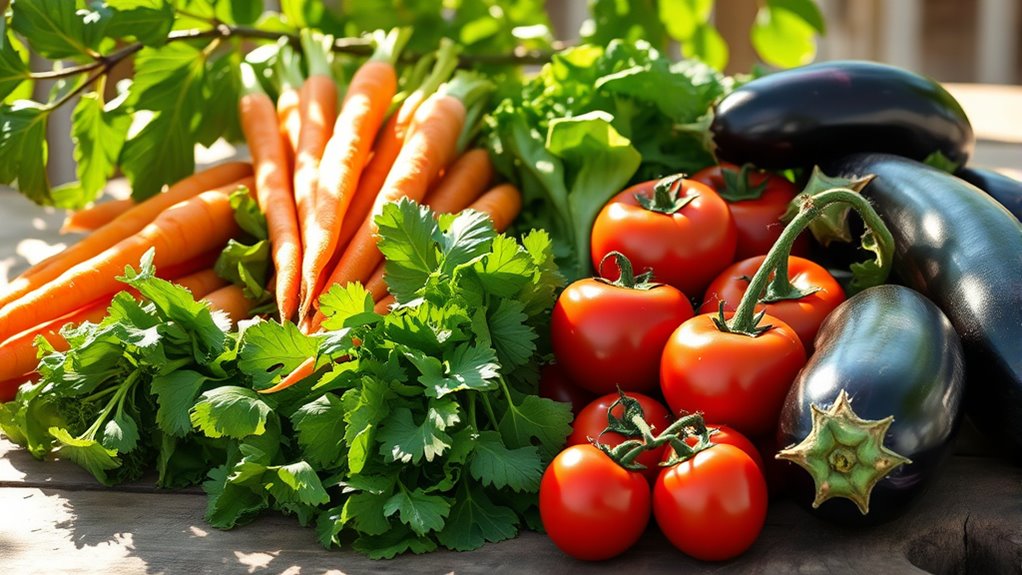
Your gut microbiome plays a essential role in overall health, and adopting a plant-based diet can markedly influence its composition. One of the key ways this happens is through increasing fiber diversity in your diet. Plant-based foods are rich in a wide array of fibers that your body can’t digest but that serve as nourishment for your gut microbes. When you consume a variety of fruits, vegetables, legumes, whole grains, and nuts, you provide your microbiome with multiple types of fibers. This diversity is fundamental because different fibers support different microbial species, encouraging a more balanced and resilient microbial ecosystem. The more diverse your fiber intake, the more robust your microbiome becomes, better equipped to adapt to stressors and resist disruptions like infections or antibiotic treatments. Microbial diversity is a critical factor in maintaining a healthy gut environment. Fiber diversity doesn’t just feed your microbes; it also enhances microbial resilience. Resilience refers to your microbiome’s ability to recover from disturbances and maintain stability over time. A diet rich in varied fibers fosters a diverse microbial community, which is more adaptable and less prone to decline or imbalance, such as dysbiosis. When your microbiome is resilient, it can recover quickly after adverse events, keeping your gut barrier intact, reducing inflammation, and supporting immune function. This resilience is essential for long-term health because it ensures your microbiome remains healthy and functional despite environmental or dietary challenges. Moreover, a plant-based diet supports microbial resilience by promoting the growth of beneficial bacteria that produce short-chain fatty acids (SCFAs), such as butyrate, acetate, and propionate. These SCFAs are critical for maintaining gut integrity, reducing inflammation, and even influencing metabolic and mental health. The more varied your fiber sources, the broader the spectrum of SCFAs produced, amplifying their beneficial effects. This, in turn, creates a positive feedback loop: a resilient microbiome produces more SCFAs, which further strengthen gut health and immune defenses. In essence, when you embrace a plant-based diet, you’re not just adding more fiber to your meals—you’re actively shaping a diverse and resilient microbial community. This diversity acts as a safeguard against health issues and ensures your gut can adapt and flourish amid the complexities of modern life. The science clearly shows that the more varied your plant-based food choices are, the stronger your microbiome becomes, providing a foundation for overall well-being that lasts.
high fiber plant-based supplements
As an affiliate, we earn on qualifying purchases.
As an affiliate, we earn on qualifying purchases.
Frequently Asked Questions
How Quickly Can Gut Microbiome Change With a Plant-Based Diet?
Your gut microbiome can start adapting within just a few days of dietary shifts to a plant-based diet. You’ll notice microbiome adaptation happening rapidly as your gut responds to increased fiber and plant compounds, promoting beneficial bacteria. Consistent dietary changes accelerate this process, leading to long-term improvements. Keep in mind, the extent of microbiome adaptation varies among individuals, but early changes generally occur within a week.
Are Any Plant-Based Foods Harmful to Gut Health?
Some plant-based foods can harm your gut health due to plant toxins and antinutrients impact. For example, raw beans contain lectins, and certain grains have phytates that interfere with mineral absorption. Consuming these in excess or without proper preparation might cause digestive discomfort or nutrient deficiencies. To minimize risks, soak, cook, or ferment foods, and incorporate a variety of plant-based options to support your gut microbiome.
Can Gut Microbiome Diversity Predict Plant-Based Diet Success?
Think of your gut microbiome as a diverse garden, where microbial resilience determines how well it adapts. Higher diversity often predicts greater success on a plant-based diet because it supports dietary personalization, helping your body adjust smoothly. When your microbiome is resilient, you’re more likely to thrive, making plant-based eating easier and more sustainable. So, yes, microbiome diversity can be a helpful predictor for your diet’s success.
How Do Antibiotics Affect Gut Microbiome on a Plant-Based Diet?
Antibiotics impact your gut microbiome by reducing microbial diversity, which can weaken microbiome resilience. If you’re on a plant-based diet, this disruption may hinder beneficial bacteria that help digest fiber and produce essential nutrients. After antibiotics, your microbiome needs time to recover, so incorporating diverse plant foods supports resilience. Be mindful of antibiotic use, as it temporarily compromises microbiome health, affecting digestion and overall well-being.
What Are the Long-Term Effects of Plant-Based Diets on Gut Health?
You’ll likely experience long-term benefits on your gut health, including enhanced fermentation benefits that support digestion. A plant-based diet can reduce gut inflammation, promoting a healthier microbiome over time. Consuming diverse plant foods encourages beneficial bacteria growth, which maintains gut integrity. Keep in mind, though, that individual responses vary, so monitoring your symptoms and adjusting your diet can optimize these long-term gut health benefits.
prebiotic fiber supplements for gut health
As an affiliate, we earn on qualifying purchases.
As an affiliate, we earn on qualifying purchases.
Conclusion
Your gut microbiome is like a bustling garden, thriving on the diversity of a plant-based diet. When you choose these foods, you’re planting seeds for a healthier, more resilient ecosystem inside you. Embrace this vibrant garden by nourishing it with fiber-rich plants, and watch your well-being flourish. Remember, tending to your microbiome is like caring for a delicate but powerful garden—you reap the benefits of a happier, healthier you.
As an affiliate, we earn on qualifying purchases.
plant-based dietary fiber capsules
As an affiliate, we earn on qualifying purchases.
As an affiliate, we earn on qualifying purchases.
Halloween Picks
halloween
As an affiliate, we earn on qualifying purchases.