
Fiber is essential in a vegan diet because it supports healthy digestion, controls blood sugar, and promotes heart health through a variety of plant-based foods. You’ll find fiber in fruits, vegetables, legumes, and whole grains—each offering soluble and insoluble types that work together for ideal benefits. Eating a mix of these foods helps you meet recommended fiber intake goals while improving gut health. Keep exploring to discover ways to maximize your fiber intake and enjoy its full benefits.
Key Takeaways
- Dietary fiber in vegan diets comes from fruits, vegetables, legumes, and whole grains, providing both soluble and insoluble types.
- Fiber enhances digestion, supports bowel regularity, and nourishes beneficial gut bacteria, promoting overall gut health.
- Soluble fiber helps regulate blood sugar and cholesterol, while insoluble fiber adds bulk and speeds stool transit.
- Adequate fiber intake aids in weight management, blood sugar stabilization, and immune support.
- Gradually increasing fiber and drinking water optimize digestive benefits and prevent discomfort.
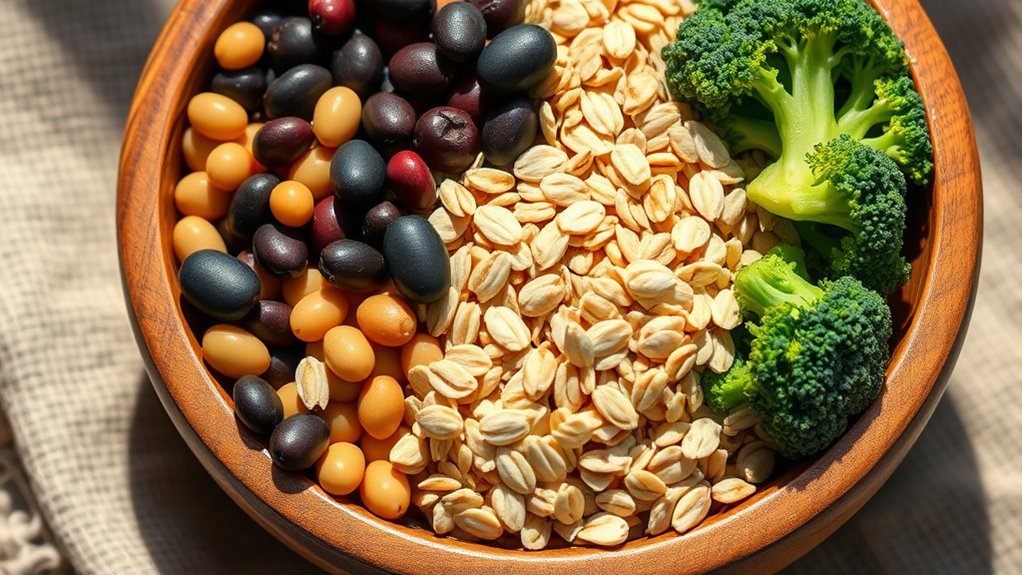
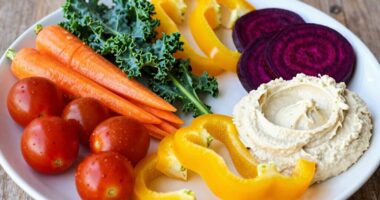
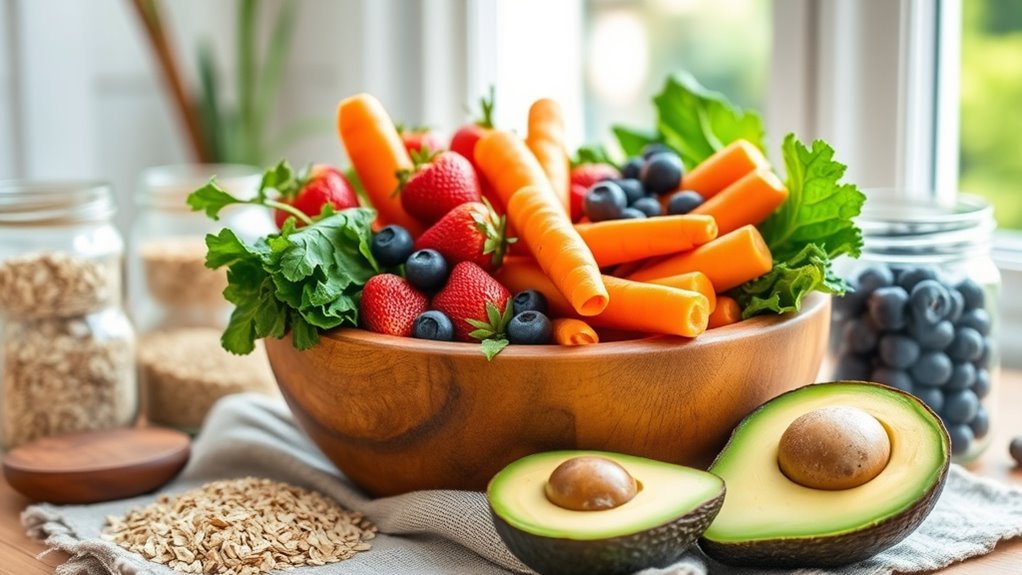
A vegan diet naturally tends to be rich in fiber because it emphasizes plant-based foods like fruits, vegetables, legumes, and whole grains. These foods serve as excellent fiber sources, helping you meet your daily intake goals effortlessly. Consuming a variety of fiber-rich foods not only boosts your overall fiber intake but also enhances your digestion benefits, making your digestive system run smoothly. When you include diverse fiber sources in your meals, you support healthy bowel movements, prevent constipation, and promote gut health. Fruits like apples, berries, and pears provide soluble fiber, which dissolves in water and forms a gel-like substance that aids in regulating blood sugar levels. Vegetables such as carrots, broccoli, and leafy greens contribute both soluble and insoluble fiber, the latter adding bulk to your stool and speeding up transit time through your digestive tract. Incorporating high-fiber foods within the recommended foraging range can also help you discover new, local sources of fiber that support your health and sustainable eating habits.
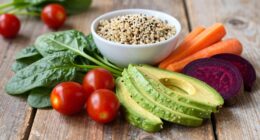
Legumes, including lentils, chickpeas, and beans, are particularly high in fiber and serve as a cornerstone for many vegan diets. They contain a mix of soluble and insoluble fiber, making them effective for supporting digestion benefits. Whole grains like oats, brown rice, quinoa, and whole wheat products are fiber powerhouses, providing sustained energy and promoting satiety. Incorporating these into your meals helps you reach your fiber intake goals while supporting your digestive health. The combination of different fiber sources ensures you’re getting a balanced mix of fiber types, each with distinct health benefits.
Maintaining an adequate fiber intake is essential not just for digestion benefits but also for overall health. Fiber helps control cholesterol levels, stabilizes blood sugar, and supports weight management. It also acts as a prebiotic, nourishing beneficial gut bacteria, which is crucial for ideal digestion and immune function. As you plan your vegan meals, focus on including a variety of fiber sources to maximize these benefits. Remember, increasing fiber gradually and drinking plenty of water are key to avoiding digestive discomfort as your body adjusts to a higher fiber diet.
Top picks for "role fiber vegan"
Open Amazon search results for this keyword.
As an affiliate, we earn on qualifying purchases.
Frequently Asked Questions
Can Vegans Get Enough Fiber Without Supplements?
Yes, you can get enough fiber without supplements by choosing a variety of vegan fiber sources like beans, lentils, fruits, vegetables, whole grains, nuts, and seeds. While fiber supplements exist, they aren’t necessary if you include these foods in your diet regularly. Focus on diverse, plant-based options to meet your fiber intake goals naturally, ensuring better digestion and overall health without relying on fiber supplements.
How Does Fiber Impact Vegan Protein Absorption?
Imagine you’re eating a high-fiber vegan meal; fiber digestion can slow down how quickly nutrients, including protein, are absorbed. This can reduce protein efficiency, meaning your body may not fully utilize the protein you consume. While fiber is essential for health, too much can hinder protein absorption. To optimize, balance fiber intake with protein-rich foods, ensuring efficient digestion without compromising fiber’s benefits.
Are There Any Risks of Consuming Too Much Fiber on a Vegan Diet?
Consuming too much fiber can lead to fiber overdose, which may cause gastrointestinal issues like bloating, gas, and constipation. To avoid these problems, you should gradually increase your fiber intake and stay well-hydrated. Overdoing it might interfere with nutrient absorption and cause discomfort. So, balance is key—listen to your body and stick to recommended daily fiber goals to enjoy the benefits without risking these side effects.
How Do Processed Vegan Foods Affect Fiber Intake?
You might find it surprising, but processed vegan foods often reduce fiber content compared to whole foods. When manufacturers strip away fiber-rich parts during processing, fiber loss occurs, making these foods less beneficial for your digestion. As a result, relying heavily on processed vegan options can lower your overall fiber intake, potentially impacting your gut health. It’s best to prioritize whole, minimally processed foods to maintain ideal fiber levels in your diet.
What’s the Best Way to Balance Soluble and Insoluble Fiber?
To balance soluble and insoluble fiber, you should include a variety of plant-based foods in your diet. Soluble fiber, found in oats, beans, and fruits, helps regulate blood sugar and supports gut health. Insoluble fiber, present in whole grains, nuts, and vegetables, promotes regular digestion. Aim for a mix of both to improve gut health, prevent constipation, and guarantee ideal dietary fiber intake for overall well-being.
Conclusion
As you embrace a vegan diet rich in fiber, you’ll notice how the colorful array of fruits, vegetables, and grains naturally guides your intake. Just like a vibrant garden blooming with diverse plants, your meals become a nourishing tapestry supporting digestion and overall health. When you pay attention to these fiber-filled choices, it’s as if nature is quietly helping you reach your goals—turning everyday eating into a beautiful, health-boosting coincidence.