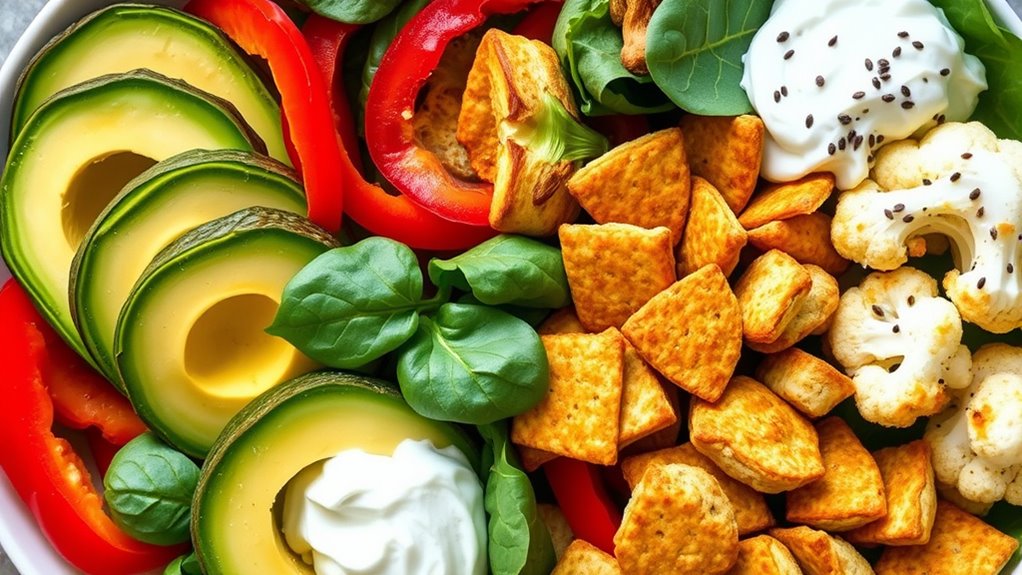

A keto-vegan diet isn’t an oxymoron; it’s a sustainable way to boost your metabolism while sticking to plant-based principles. By focusing on healthy plant fats, like avocados, nuts, and coconut oil, and incorporating nutrient-rich foods such as seeds, vegetables, and fortified options, you can support ketosis and meet your nutritional needs. With careful planning, you’ll find it’s entirely possible to enjoy both ethical choices and metabolic benefits—there’s a lot more to discover if you keep exploring.
Key Takeaways
- Combining ketosis and veganism is challenging but achievable with careful planning of plant-based fats and nutrients.
- A well-structured keto-vegan diet can boost metabolism by leveraging healthy plant fats and maintaining ketosis.
- Proper supplementation addresses common vegan deficiencies, supporting metabolic health within a keto framework.
- Diverse plant-based foods and fats can foster sustainable weight loss and energy, enhancing metabolic efficiency.
- With mindful macro management and nutrient balance, keto-vegan is more than an oxymoron—it can be a metabolic booster.

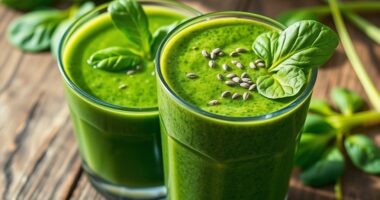
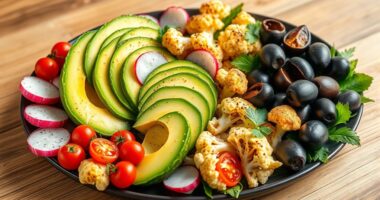
Have you ever wondered how to combine the health benefits of a keto diet with the ethical and environmental appeal of veganism? It might sound like an oxymoron at first, but with careful planning, a keto-vegan approach can be both sustainable and effective. The key lies in understanding how to incorporate plant-based fats and maintain nutritional balance. Traditional keto diets rely heavily on animal fats and proteins to achieve ketosis, but you can adapt this by choosing plant-based fats such as avocados, coconut oil, and nuts. These fats not only provide the necessary energy to stay in ketosis but also align with vegan principles. Incorporating diverse sources of plant-based fats helps you avoid relying on processed or less healthy options, ensuring your diet remains wholesome.
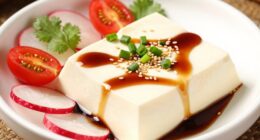
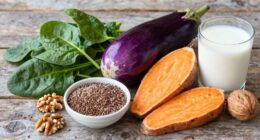
Achieving nutritional balance is essential when you’re blending these two dietary philosophies. Vegan diets often face challenges in obtaining sufficient B12, omega-3 fatty acids, and certain amino acids. To address this within a keto framework, you should focus on fortified foods, supplements, and specific plant-based sources. Chia seeds, flaxseeds, and walnuts are excellent for omega-3s, while nutritional yeast can help boost B12 intake. Combining these with a variety of vegetables, low-carb fruits, and plant-based proteins like tempeh or tofu ensures your body gets a broad spectrum of nutrients. This careful combination allows you to stay in ketosis while meeting all your nutritional needs without animal products.
One of the biggest hurdles is balancing your macros—carbs, fats, and proteins—without tipping into either ketosis or nutritional deficiency. You’ll need to monitor your carbohydrate intake carefully, focusing on non-starchy vegetables and small portions of berries. At the same time, you should prioritize high-fat, low-carb plant foods to sustain ketosis. Using healthy plant-based fats not only helps you stay in fat-burning mode but also supports overall health by reducing inflammation and improving heart health. Additionally, choosing appropriate supplements can help fill nutritional gaps that are common in vegan diets. By consistently tracking your intake and adjusting your diet based on how your body responds, you can find a personalized balance that respects both vegan ethics and keto principles.
In essence, a keto-vegan diet isn’t just a contradiction; it’s a thoughtful approach that emphasizes plant-based fats and nutritional balance. With mindful planning, you can enjoy the metabolic benefits of ketosis while sticking to your ethical beliefs. It requires dedication and awareness but offers a way to boost your metabolism without compromising your values. So, yes, it’s possible to merge these two seemingly opposing diets into a harmonious, health-boosting lifestyle.
Top picks for "keto vegan oxymoron"
Open Amazon search results for this keyword.
As an affiliate, we earn on qualifying purchases.
Frequently Asked Questions
Can Keto-Vegans Meet All Their Protein Needs?
You might wonder if keto-vegans can meet all their protein needs. With careful planning, you can, by combining plant-based fats with diverse amino acid sources like legumes, nuts, seeds, and soy. Incorporating a variety of these foods guarantees you get essential amino acids and enough protein. While it requires attention, a well-balanced keto-vegan diet can support your nutritional needs without sacrificing your dietary choices.
Are Keto-Vegan Diets Sustainable Long-Term?
Like a marathon runner pushing through the final mile, you wonder if a keto-vegan diet is sustainable long-term. While focusing on plant-based fats and enhancing metabolic flexibility, it’s possible to maintain this lifestyle, but it requires careful planning and commitment. You may face challenges, but with dedication, you can build resilience—transforming your diet into a sustainable, health-boosting journey rather than a fleeting fad.
How Do Keto-Vegans Handle Carbohydrate Intake?
You handle carbohydrate intake by focusing on plant-based fats and practicing carb cycling. Instead of consuming large amounts of carbs daily, you alternate high-carb days with low-carb days, helping manage energy levels and ketosis. This approach allows you to enjoy plant-based sources like nuts, seeds, and vegetables, while keeping your metabolism active. Carb cycling offers flexibility, making it easier to sustain a keto-vegan diet long-term without sacrificing your dietary principles.
What Are Common Keto-Vegan Meal Options?
You can enjoy keto-vegan meal options that focus on plant-based fats like avocados, nuts, and seeds, which help maintain ketosis. Incorporate legume options such as lentils and chickpeas in moderation, balancing carbs with protein. Stir-fry vegetables in coconut oil or make salads with olive oil. Tofu and tempeh also add variety. These choices support your keto-vegan lifestyle while keeping meals flavorful and nutritious.
Is Supplementing Necessary on a Keto-Vegan Diet?
Supplement necessity on a keto-vegan diet depends on your nutrient balance. You might need supplements to cover gaps in vitamin B12, iron, omega-3s, or zinc, since plant-based sources can be limited. Monitoring your intake helps guarantee you get everything your body needs. Regularly check with a healthcare professional or nutritionist to determine if supplements are necessary, as maintaining proper nutrient levels is key for overall health and energy.
Conclusion
So, is keto-vegan an oxymoron or a clever way to boost your metabolism? With a little creativity, you can navigate this dietary maze like a modern-day Da Vinci, blending plant power with fat-burning strategies. It’s not about fitting into labels but finding what fuels you best—think of it as your own personal Renaissance. Embrace the challenge, and who knows? Maybe you’ll discover a new way to thrive, just like the explorers of old.