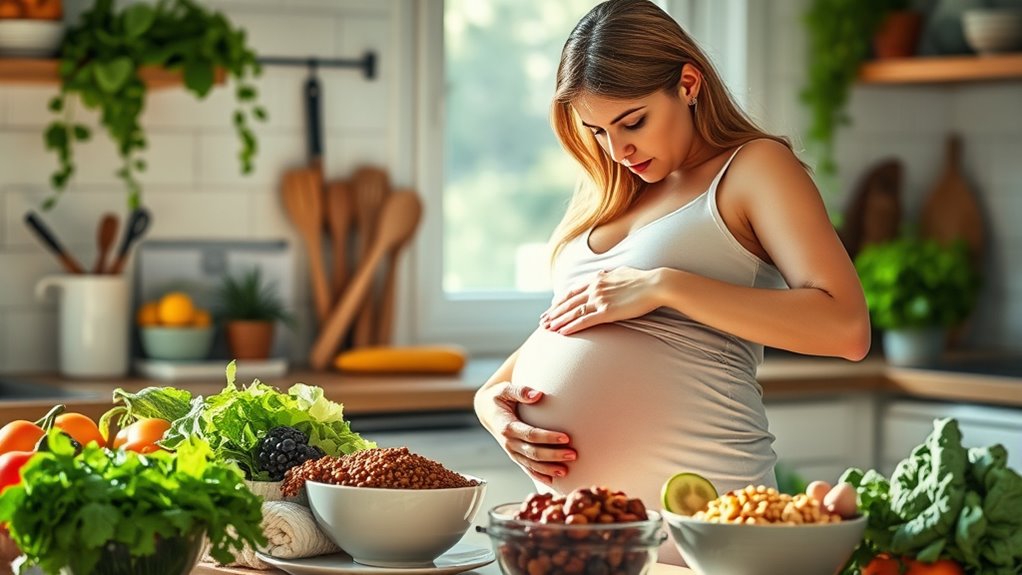

Ensuring a safe vegan pregnancy involves planning to meet essential nutrients like vitamin B12, iron, omega-3s, and folate through fortified foods, supplements, and diverse plant-based options. Combine iron-rich foods with vitamin C sources to boost absorption, and avoid tea or coffee during meals. Regular check-ups help monitor your levels, allowing you to adjust your diet accordingly. Continue exploring these strategies to support a healthy pregnancy for both you and your baby.
Key Takeaways
- Incorporate plant-based supplements fortified with vitamin B12, omega-3s, iron, and folate to meet increased pregnancy nutritional needs.
- Combine iron-rich plant foods with vitamin C sources to enhance absorption and avoid tannin-rich beverages around mealtime.
- Regularly monitor nutrient levels through blood tests and adjust diet or supplements accordingly under healthcare guidance.
- Use fortified foods and algae-based omega-3 supplements to ensure adequate intake of critical nutrients absent from a vegan diet.
- Plan a diverse, balanced plant-based diet emphasizing nutrient-dense foods to support maternal health and fetal development.
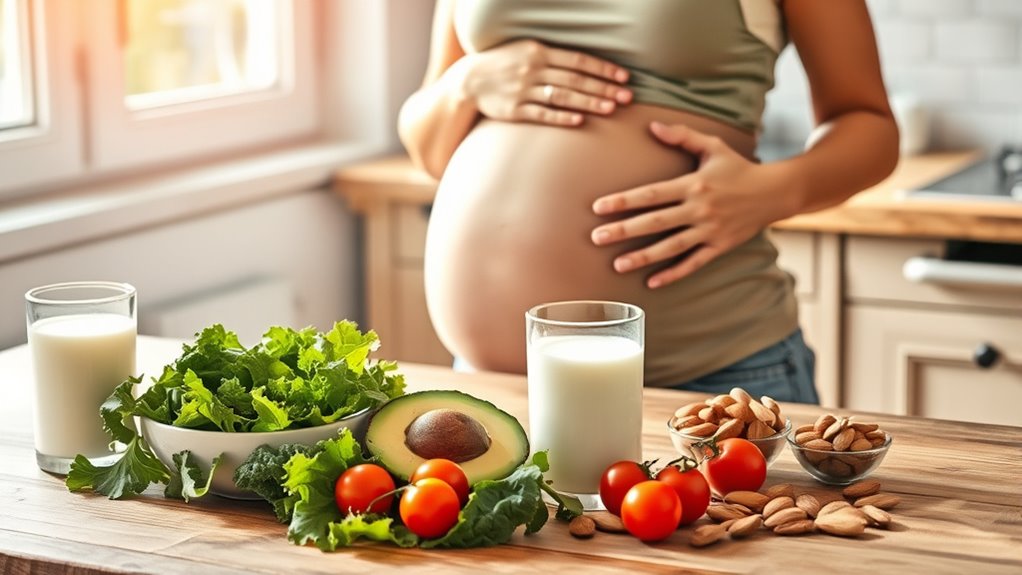
Expecting a vegan pregnancy can be a rewarding journey, but it requires careful planning to guarantee both you and your baby get all the essential nutrients. As a vegan, you might worry about meeting your nutritional needs through plant-based sources alone. Luckily, incorporating plant-based supplements can fill any gaps and support your health. These supplements are formulated to provide nutrients that are sometimes harder to obtain from a strictly vegan diet, such as vitamin B12, omega-3 fatty acids, and certain minerals. They’re especially helpful during pregnancy when your body’s nutrient demands increase.
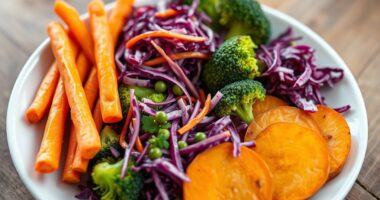
One critical aspect to consider is iron absorption. Plant-based sources of iron, like spinach, lentils, and fortified cereals, contain non-heme iron, which isn’t absorbed as efficiently as heme iron found in animal products. To maximize absorption, combine iron-rich foods with vitamin C sources such as citrus fruits, bell peppers, or tomatoes. This combination enhances your body’s ability to absorb iron from plant foods. Additionally, avoid drinking tea or coffee around meal times, as tannins and polyphenols can inhibit iron absorption. If you find it challenging to meet your iron needs through diet alone, a plant-based iron supplement might be necessary. Always consult your healthcare provider before starting any supplementation, especially during pregnancy.
Ensuring adequate intake of other vital nutrients is equally important. For example, vitamin B12 is almost exclusively found in animal products, so supplementing is essential for vegans. You can find B12 in fortified plant milks, cereals, or as a standalone supplement. Omega-3 fatty acids, essential for fetal brain development, can be obtained from algae-based supplements, which provide DHA and EPA — the active forms your body can readily use. Don’t forget about folate, which supports neural tube development; leafy greens, beans, and fortified foods are excellent sources, but a prenatal supplement usually covers your base needs.
Planning your diet carefully and staying informed about nutrient sources allows you to maintain a healthy vegan pregnancy. Regular check-ups and blood tests can help monitor your nutrient levels, so you can adjust your diet or supplements as needed. Remember, a well-balanced plant-based diet combined with targeted supplements ensures you and your baby stay nourished, healthy, and thriving throughout your pregnancy.

Garden of Life Organics Prenatal Vitamin: Folate for Energy & Healthy Fetal Development, Non-constipating Iron, Vitamin C, B6, B12, D3 – Organic, Non-GMO, Gluten-Free, Vegan, 30 Day Supply
PRENATAL MULTIVITAMIN ONCE DAILY: One tablet delivers a once daily prenatal multivitamin with 100% DV folate and vegan…
As an affiliate, we earn on qualifying purchases.
As an affiliate, we earn on qualifying purchases.
Frequently Asked Questions
Can Vegan Diets Cause Developmental Delays in Babies?
Vegan diets don’t necessarily cause developmental delays in babies if you plan carefully. You should include plant-based proteins like beans, lentils, and soy isoflavones, which support your baby’s growth. Make certain you get enough nutrients such as B12, iron, and omega-3s. Proper planning and consultation with a healthcare provider help you maintain a balanced diet, reducing any risks of developmental delays.
How Can I Ensure Adequate Omega-3 Intake During Pregnancy?
To guarantee adequate omega-3 intake during pregnancy, you should focus on consuming plant-based fats like flaxseeds, chia seeds, walnuts, and hemp seeds regularly. These are rich in ALA, a type of omega-3. Additionally, consider supplement options like algae-based omega-3 supplements, which provide DHA and EPA essential for your baby’s development. Incorporating these into your diet helps support your pregnancy health and fetal growth.
Are Vegan Prenatal Vitamins Sufficient for All Nutrient Needs?
Vegan prenatal vitamins can be effective, but they might not cover all your needs. While vegan supplement efficacy varies, it’s crucial to choose high-quality options to guarantee proper prenatal vitamin absorption. Think of it as filling a puzzle: supplements are pieces, but you must also eat a balanced vegan diet rich in nutrients. Always consult your healthcare provider to confirm your supplement choice meets your unique nutritional requirements during pregnancy.
What Are the Risks of Iron Deficiency on Fetal Development?
Iron deficiency can considerably impact fetal development, leading to risks like low birth weight and preterm birth. When your iron levels drop, your body can’t deliver enough oxygen to your baby, which hampers fetal growth. To avoid this, you should monitor your iron status and include iron-rich vegan foods like legumes, spinach, and fortified cereals in your diet. If needed, consider supplements under your healthcare provider’s guidance to support healthy fetal development.
How Do I Manage Morning Sickness With a Vegan Diet?
To manage morning sickness on a vegan diet, try herbal remedies like ginger tea or peppermint. Eating small, frequent meals helps reduce nausea, and staying hydrated is key. Incorporate dietary supplements like vitamin B6 or vitamin B12 to support your needs. These natural approaches can ease symptoms, but always consult your healthcare provider before adding herbal remedies or supplements to guarantee they’re safe for you and your baby.

Vegan Omega 3 Algae Oil | Plant Based DHA EPA | Sustainably Sourced, No Carrageenan, Non GMO | Heart, Brain, and Eye Health | Fish Oil Alternative | Algae Omega 3 Supplement | 60 Softgel Capsules
VEGAN OMEGA 3 SUPPLEMENT: Our Algae Oil Omega 3 supplement contains a high 550mg of essential plant-based Omega-3…
As an affiliate, we earn on qualifying purchases.
As an affiliate, we earn on qualifying purchases.
Conclusion
As you nurture your growing baby, think of your diet as a delicate dance—each nutrient a step, each meal a melody. With mindful planning, your vegan journey becomes a symphony of health and energy, weaving together vibrant plant foods and essential supplements. Embrace this rhythm, trusting your choices to nourish both you and your little one. Together, you’ll create a harmonious beginning—strong, safe, and filled with love, step by step, note by note.
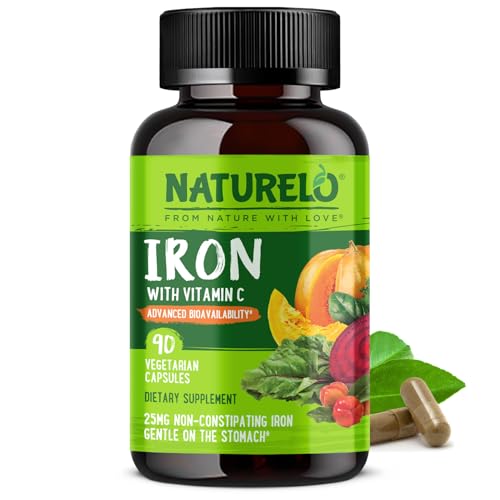
NATURELO Vegan Iron Supplement with Vitamin C and Organic Whole Foods – Gentle Iron Pills for Women & Men with Iron Deficiency Including Pregnancy, Anemia and Vegan Diets – 90 Mini Capsules
GENTLE VEGAN IRON SUPPLEMENT: 25 mg of Iron with Vitamin C from Organic Acerola Cherries and Iron-Rich Whole…
As an affiliate, we earn on qualifying purchases.
As an affiliate, we earn on qualifying purchases.

Igennus Methylated Prenatal Multivitamin for Women, Folate for MTHFR, High Absorption, Pure & Clean, Gentle Iron, Choline, Calcium & Magnesium, Vegan Pregnancy Vitamins, Halal, Non-GMO, 60 Tablets
MORE OF WHAT YOU NEED, LESS OF WHAT YOU DON'T – physician formulated to provide 100% requirements for…
As an affiliate, we earn on qualifying purchases.
As an affiliate, we earn on qualifying purchases.