
Adopting a plant-based diet can boost weight management by focusing on nutrient-dense, low-calorie foods like vegetables, fruits, beans, and whole grains that help you feel full longer. Eating balanced meals at regular intervals and avoiding late-night snacks supports calorie control and steady energy. Paying attention to hunger cues and planning meals smartly makes weight loss sustainable. Stay with us to uncover more science-backed strategies for success.
Key Takeaways
- Emphasize nutrient-dense, high-fiber plant foods to promote satiety and control calorie intake.
- Distribute balanced meals and snacks evenly throughout the day to stabilize blood sugar and prevent overeating.
- Incorporate plant-based proteins like beans and tofu to support fullness and muscle maintenance.
- Practice mindful eating and listen to hunger cues to foster sustainable, calorie-conscious habits.
- Pair a plant-based diet with smart meal timing and lifestyle strategies to optimize weight management outcomes.
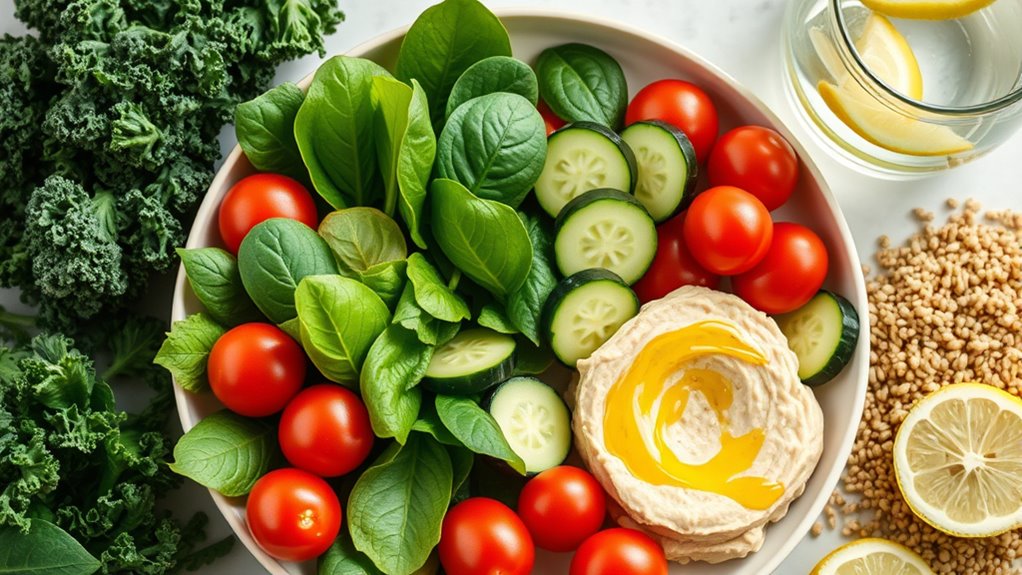
Have you ever wondered how a plant-based diet can support your weight management goals? The secret lies in understanding how to balance your caloric intake and optimize meal timing. Unlike many diets that focus solely on restricting certain foods, a plant-based approach emphasizes whole, nutrient-dense foods that naturally help control calorie consumption. Because plant-based foods tend to be lower in calories but rich in fiber and water, you can eat satisfying portions without overeating. This means you’re less likely to experience hunger pangs, making it easier to stay within your caloric needs while still enjoying a variety of flavors.
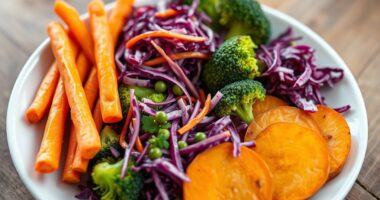
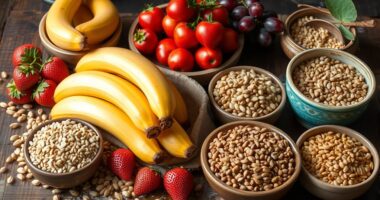
When it comes to caloric intake, choosing the right plant-based options is essential. Foods like vegetables, fruits, legumes, and whole grains pack a lot of nutrients while being relatively low in calories. These foods help you feel full longer, reducing the temptation to snack on high-calorie processed foods. By focusing on nutrient density, you can enjoy larger portions that satisfy your hunger without exceeding your daily calorie goals. Also, incorporating plant-based proteins like beans, lentils, and tofu not only boosts satiety but also supports muscle maintenance during weight loss. Managing your caloric intake doesn’t mean deprivation; it’s about making smarter choices that nourish your body and keep you feeling energized.
Meal timing plays a vital role in weight management, especially on a plant-based diet. Spreading your meals evenly throughout the day helps maintain steady blood sugar levels and prevents overeating. For example, having three balanced meals with healthy snacks in between can keep hunger at bay and stabilize your energy. Paying attention to when you eat can also influence your overall calorie consumption. Eating late at night, when you’re less active, may lead to unnecessary calorie intake, so try to have your last meal a few hours before bedtime. Additionally, some people find that consuming the majority of their calories earlier in the day aligns better with their natural energy rhythms, making it easier to stay active and burn calories efficiently.
Incorporating meal timing strategies with mindful calorie management creates a sustainable approach to weight loss. Focus on listening to your body’s signals—eat when you’re hungry, and stop when you’re full. By planning your meals thoughtfully and choosing the right nutrient-dense plant foods, you can create a balanced routine that supports your weight management goals. Remember, consistency is key, and small, intentional changes in your meal timing and caloric intake can lead to meaningful, long-term results. A plant-based diet isn’t just good for your health; it can be a powerful tool in your weight management journey when paired with smart eating habits. Additionally, understanding how comfort and support solutions can improve sleep quality may further support weight loss efforts by reducing stress and promoting overall well-being.
Frequently Asked Questions
Can I Lose Weight on a Plant-Based Diet Without Exercise?
Yes, you can lose weight on a plant-based diet without exercise by managing your caloric intake and increasing food variety. Focus on eating nutrient-dense, lower-calorie foods like vegetables, fruits, and whole grains, which help you feel full longer. By controlling portions and choosing diverse, healthy options, you can create a calorie deficit that promotes weight loss even without exercise.
Are Plant-Based Processed Foods Affecting Weight Loss?
Yes, plant-based processed foods can affect your weight loss efforts. Many are high in added sugars, unhealthy fats, and calories, which can hinder progress. Instead, focus on nutrient-dense, whole plant foods like fruits, vegetables, and legumes. These provide essential nutrients without excess calories, helping you stay full longer and support your weight management goals. Limiting processed foods guarantees you’re nourishing your body effectively while losing weight.
How Do Portion Sizes Impact Weight Management on Plants?
Portion sizes substantially impact your weight management on a plant-based diet. By practicing portion control, you avoid overeating, even with healthy plant foods. Paying attention to serving sizes helps you stay within your calorie goals and prevents weight gain. Use measuring tools or visual cues to manage servings, ensuring you enjoy nutritious foods without consuming excess calories. Proper portioning supports steady weight loss and maintains your overall health goals effectively.
Is Intermittent Fasting Suitable for Plant-Based Weight Loss?
Intermittent fasting can suit your plant-based weight loss goals by optimizing meal timing and leveraging fasting benefits like improved insulin sensitivity. You might find that fasting helps control hunger and reduces calorie intake, supporting weight management. Just make certain you choose a fasting schedule that fits your lifestyle and includes nutrient-dense plant foods during eating windows. Always listen to your body and consult a healthcare professional before starting.
Can Supplements Enhance Weight Loss on a Plant-Based Diet?
Supplements can serve as your secret weapon, like a boost of energy for your weight loss journey. When you time supplements right and focus on nutrient synergy, they can amplify your efforts, filling nutritional gaps and supporting metabolism. Think of it as fine-tuning your engine; proper supplement timing guarantees your body absorbs maximum benefits, helping you stay on track and reach your goals faster on a plant-based diet.
Conclusion
By adopting a plant-based diet, you could open the secret to melting away pounds faster than you ever imagined, transforming your body into a lean, unstoppable machine. With the right strategies, you’ll outsmart cravings and conquer weight loss like a superhero. Say goodbye to stubborn fat and hello to a new, energized you—it’s almost too good to be true. Get ready to turn your health dreams into reality, all on a plant-powered rocket ride!