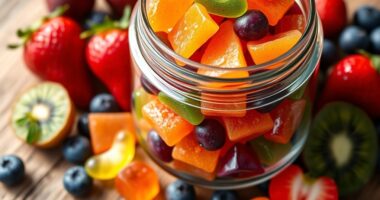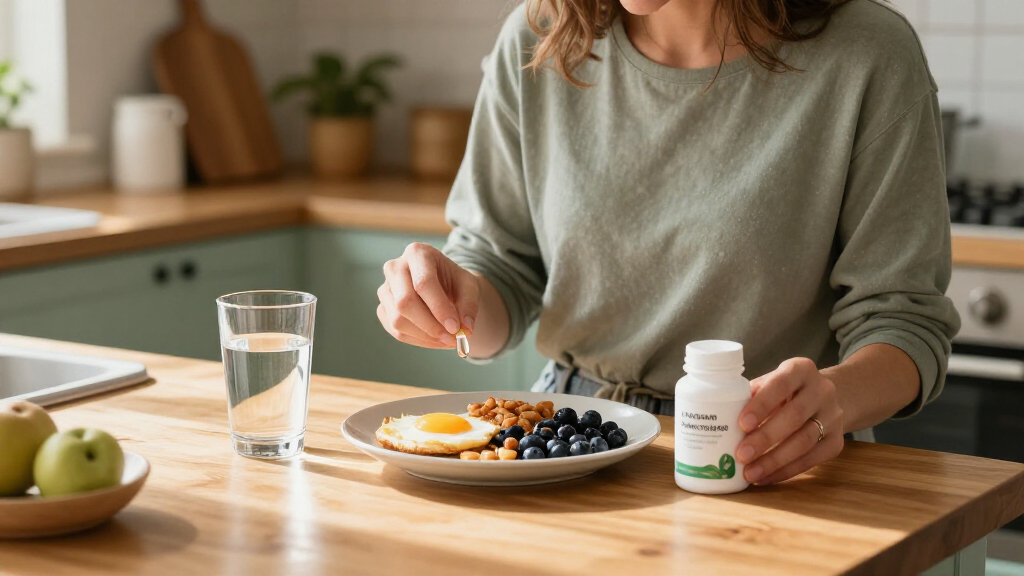

Vegan vitamin D supplements use plant-based D2 or lichen-derived D3 instead of the animal-derived D3 found in many standard supplements. My best overall pick is Igennus Natural Vegan Vitamin D3, which pairs a 1,000 IU dose with a 365-tablet supply; Deva D2 stands out for a higher-dose D2 option, while Garden of Life Organics D3 Chewables offers a flavored alternative to tablets and capsules. The main tradeoffs are dose, serving format, and whether you want D3, D2, or added K2—not simply whether a label says vegan. Read on for how these 10 options compare and which type of supplement may suit your routine.
Key Takeaways
- Igennus pairs a moderate 1,000 IU D3 dose with 365 tablets, making it the standout for shoppers who value a long supply and a simple daily format.
- Deva offers two distinct use cases: its 1,000 IU D3 two-pack is a lower-dose tablet option, while its 2,400 IU D2 product is the higher-dose choice in the D2 category.
- Five products provide 2,500 IU or 5,000 IU D3, so buyers choosing among them should focus on their intended dose and clinician guidance rather than assuming more is better.
- Only the two Naturalis and Sports Research D3 + K2 products add K2; that combination may appeal to shoppers seeking both ingredients, but it is not automatically a better fit for everyone.
- Format changes the daily experience: Garden of Life offers flavored chewables, while the lineup also includes tablets, capsules, softgels, and plantgels.


| vegan vitamin D supplement | Form | Quantity | Vegan | Vitamin D3 |
|---|---|---|---|---|
| Deva Vegan Vitamin D3 Suppleme | Tablet | 90 tablets per bottle | Yes | — |
| Igennus Natural Vegan Vitamin | Tablet | 365 tablets | Yes | — |
| Deva Vegan Vitamin D2 60 mcg 2 | Tablet | 90 tablets | Yes | — |
| Future Kind Vegan Vitamin D3 2 | Capsule | 30 capsules | — | — |
| Doctor’s Best Vegan Vitamin D3 | Veggie capsule | 60 capsules | Yes | — |
| Garden of Life Organics Vegan | — | — | Yes | 2,000 IU (50 mcg) |
| NatureWise Vegan Vitamin D3 50 | — | — | — | 5,000 IU |
| Naturalis Vegan Vitamin D3+K2 | Veggie softgel with organic olive oil | — | — | 5,000 IU |
| Sports Research Vegan D3 5000 | Veggie softgel | — | — | 5,000 IU |
| Sports Research Vegan Vitamin | Softgel | — | — | 125 mcg (5,000 IU) |
More Details on Our Top Picks
Deva Vegan Vitamin D3 Supplement – 1000 IU – 90 Small Tablets, 2-Pack
Small tablets and a 1000 IU D3 dose make this a straightforward choice for shoppers who want a modest daily supplement in a vegan format. Its D3 comes from lichen, so it suits buyers avoiding animal-derived vitamin D. Compared with Igennus Natural Vegan Vitamin D3, which supplies the same dose in a 365-tablet bottle, this Deva option offers a two-bottle pack but less total supply, so it may suit someone who prefers buying a smaller quantity at a time.
The tradeoff is limited format choice: these are tablets, not chewables or capsules, and the product data does not specify a flavor. Daily use also means keeping a routine. This is a practical pick for people who want low-profile tablets, but those seeking a higher-strength dose may prefer Deva’s 2400 IU D2 or a 2500 IU capsule option.
Pros:- Vegan D3 sourced from lichen
- Small tablets designed for easier swallowing
- 1000 IU per tablet offers a lower-dose option than the 2400 IU Deva D2
- Two bottles provide a ready-made multi-bottle pack
Cons:- Supplies fewer tablets overall than Igennus’s 365-tablet bottle
- Tablet-only format may not suit people who prefer capsules or chewables
- The 1000 IU dose may not match higher individual needs
Best for: Vegans who prefer small, easy-to-swallow tablets and want a 1000 IU D3 option in a two-bottle pack
Not ideal for: Shoppers who want a year-long supply in one purchase, a flavored chewable, or a higher dose per tablet
- Vitamin D per tablet:1000 IU
- Form:Tablet
- Quantity:90 tablets per bottle
- Pack size:2 bottles
- Vitamin D source:Lichen
- Vegan:Yes
Our verdict“Choose this Deva pack if you want lichen-derived D3 in small, 1000 IU tablets and do not need a year-long supply.”
Igennus Natural Vegan Vitamin D3 1000IU, 365 Tablets
365 tablets are the defining advantage here: this is the lineup’s clearest choice for someone who wants a full year of daily 1000 IU D3 in one bottle. The formula uses algae-derived cholecalciferol and small, odorless tablets, which makes it a low-fuss option for vegans who prefer a simple routine. Against Deva’s 1000 IU two-pack, Igennus provides substantially more tablets in a single bottle; Deva may appeal more to buyers who prefer splitting their supply across two bottles.
The restraint in dose is also a tradeoff. At 1000 IU per tablet, it does not offer the higher per-dose amount found in Deva’s 2400 IU D2 or the 2500 IU capsule products. The listing describes the tablets as hypoallergenic and free of unnecessary additives, but people seeking a chewable, flavored, or higher-strength supplement should look elsewhere.
Pros:- 365 tablets support a long daily routine
- Algae-derived vegan cholecalciferol
- Small and odorless tablet format
- Described as hypoallergenic and free from unnecessary additives
Cons:- 1000 IU per tablet may be too low for buyers seeking a higher-strength product
- Tablet form offers no chewable or capsule alternative
- A year-sized bottle may be more supply than someone wanting to try a product needs
Best for: Vegans who want a simple 1000 IU daily D3 tablet and prefer a large, once-a-year supply
Not ideal for: Buyers who need a higher dose per tablet, want a chewable format, or prefer a small bottle to try first
- Vitamin D per tablet:1000 IU
- Form:Tablet
- Quantity:365 tablets
- Vitamin D form:Cholecalciferol (D3)
- Vitamin D source:Algae
- Vegan:Yes
- Manufactured in:UK
Our verdict“Pick Igennus for a year of algae-derived 1000 IU D3 tablets, but choose another option if you want a higher dose or different format.”
Deva Vegan Vitamin D2 60 mcg 2400 IU, 90 Tablets
For buyers who want more vitamin D per tablet without choosing a D3 product, this Deva delivers 2400 IU of vegan D2 in a tablet. That makes it distinct from the 1000 IU Deva D3 and Igennus D3: the dose is higher, while the vitamin form is ergocalciferol (D2) rather than cholecalciferol (D3). Its 90-tablet bottle is also more compact than Igennus’s 365-tablet supply, which may suit shoppers who do not want a large stock on hand.
The higher dose is not automatically a better fit; buyers should match supplementation to their needs and seek professional guidance when appropriate. The provided product details do not state allergen-free status, so people with specific sensitivities may prefer a listing with clearer ingredient information, such as Future Kind’s stated exclusions. Choose this for its D2 format and higher amount, not for a large supply or a confirmed allergen profile.
Pros:- Provides 2400 IU per tablet
- Uses vegan vitamin D2 (ergocalciferol)
- Tablet format offers a non-capsule option
- 90-tablet bottle is smaller than Igennus’s 365-tablet supply
Cons:- Uses D2 rather than the D3 form found in the other listed Deva product
- Higher dose may call for professional guidance based on individual needs
- Allergen-free status is not specified in the supplied product details
Best for: Vegans specifically seeking a 2400 IU vitamin D2 tablet rather than a lower-dose D3 product
Not ideal for: Shoppers who want D3, a lower per-tablet dose, or clear stated allergen-free details
- Vitamin D per tablet:2400 IU (60 mcg)
- Form:Tablet
- Quantity:90 tablets
- Vitamin D form:D2 (ergocalciferol)
- Vegan:Yes
Our verdict“Choose this Deva if you specifically want a higher-dose vegan D2 tablet and are comfortable with its distinct vitamin form.”
Future Kind Vegan Vitamin D3 2500 IU, 30 capsules
Lichen-derived D3, a 2500 IU capsule, and a stated list of ingredient exclusions give Future Kind a clear profile for shoppers who screen labels for common allergens and additives. The product is described as free from GMOs, gluten, soy, nuts, sugar, and artificial colors, while its glass bottle may appeal to buyers who prefer that packaging. Compared with Doctor’s Best Vegan Vitamin D3, it offers a similar 2500 IU dose but comes in a 30-capsule bottle rather than 60 veggie capsules.
That smaller supply is the main practical compromise, especially for a daily routine. Future Kind is also not the best match for someone who dislikes capsules or wants a lower dose like the 1000 IU Deva and Igennus tablets. Its higher-strength serving may not suit every buyer, so this pick makes the most sense for people who value its stated exclusions and are comfortable with the dose and capsule format.
Pros:- Lichen-derived vegan vitamin D3
- 2500 IU per capsule
- Listed as free from GMOs, gluten, soy, nuts, sugar, and artificial colors
- Packaged in a glass bottle
Cons:- 30 capsules provide fewer servings than Doctor’s Best’s 60-capsule bottle
- Capsules may not suit people who prefer tablets or chewables
- The 2500 IU dose may not fit every buyer’s needs
Best for: Vegans who want 2500 IU D3, screen for several common ingredients, and prefer a glass bottle
Not ideal for: People seeking a 1000 IU tablet, a long bottle supply, or a non-capsule format
- Vitamin D per capsule:2500 IU
- Form:Capsule
- Quantity:30 capsules
- Vitamin D source:Lichen
- Packaging:Glass bottle
- Listed exclusions:GMOs, gluten, soy, nuts, sugar, artificial colors
Our verdict“Choose Future Kind if its stated ingredient exclusions and glass bottle matter more to you than a larger capsule supply.”
Doctor’s Best Vegan Vitamin D3 2500 IU Veggie Capsules
Doctor’s Best pairs a 2500 IU serving with 60 veggie capsules, making it the more supply-focused alternative to Future Kind’s 30-capsule bottle at the same stated dose. Its vegan, non-GMO, gluten-free, and soy-free profile gives label-conscious buyers several clear details to compare. The capsule format also sets it apart from Deva’s 2400 IU D2 tablets: this is D3 in veggie capsules, not D2 in a tablet.
The main limitation is that the provided description does not identify the D3 source, so shoppers who specifically want lichen-derived D3 may prefer Future Kind, which names lichen. The 2500 IU serving is also a higher-strength option than the 1000 IU Deva and Igennus tablets, and may not suit everyone. This product is a reasonable fit for buyers who value its stated dietary exclusions and want more capsules than Future Kind provides.
Pros:- 2500 IU per serving
- 60 veggie capsules, twice Future Kind’s listed capsule count
- Vegan and non-GMO
- Listed as gluten-free and soy-free
Cons:- Vitamin D source is not specified in the supplied product data
- Capsule format may not suit people who prefer tablets or chewables
- 2500 IU may be more than some buyers are seeking
Best for: Vegans seeking 2500 IU D3 in veggie capsules with a 60-capsule bottle and stated gluten- and soy-free details
Not ideal for: Shoppers who require a confirmed lichen source, prefer tablets, or want a lower-dose supplement
- Vitamin D per serving:2500 IU
- Form:Veggie capsule
- Quantity:60 capsules
- Vegan:Yes
- GMO status:Non-GMO
- Gluten status:Gluten-free
- Soy status:Soy-free
Our verdict“Pick Doctor’s Best for a 60-capsule supply of 2500 IU vegan D3, unless confirming a lichen source is a priority.”
Garden of Life Organics Vegan D3 Chewables, Raspberry Lemon Flavored, 30ct
For buyers who would rather chew than swallow a capsule, Garden of Life Organics Vegan D3 Chewables stand apart from the softgels elsewhere in this lineup. Each chewable provides 2,000 IU of lichen-derived D3, a moderate dose compared with the 5,000 IU NatureWise and Sports Research options. The raspberry-lemon flavor and chewable format may make a daily routine easier for people who dislike pills, while the USDA Organic and vegan credentials appeal to shoppers prioritizing certified ingredients. The description also lists a blend of 11 organic mushrooms, but doesn’t specify their amounts or make them a substitute for the D3 dose. The tradeoff is a 30-count bottle, so it offers less supply than many 60-count softgels, and the product is intended for children age four and older only under supervision.
Pros:- Vegan D3 is sourced from lichen
- Chewable raspberry-lemon format avoids swallowing a softgel
- USDA Organic and Non-GMO
- Provides 2,000 IU per serving
Cons:- 30-count bottle means more frequent replacement than 60-count options
- Chewable flavor and texture may not suit everyone
- Use for children requires adult supervision and is specified for ages four and older
Best for: Adults who prefer a flavored chewable, want a moderate D3 dose, and value organic certification.
Not ideal for: Buyers seeking a large bottle, a capsule-free option with a higher dose, or a supplement for young children without professional supervision.
- Vitamin D3:2,000 IU (50 mcg)
- Source:Lichen
- Count:30 chewables
- Flavor:Raspberry lemon
- Vegan:Yes
- Organic:Yes
- Other listed attributes:Non-GMO and gluten-free
- Additional blend:11 organic mushrooms
Our verdict“Choose this if you want certified vegan D3 in a flavored chewable and prefer a lower dose than the lineup’s 5,000 IU softgels.”
NatureWise Vegan Vitamin D3 5000IU Supplement from Lichen, 60 Softgels
NatureWise Vegan Vitamin D3 pairs a 5,000 IU lichen-derived dose with a short list of softgel ingredients, including organic extra virgin olive oil. Its stated exclusions cover several common allergens, making it a more targeted pick for buyers checking labels carefully. Compared with Garden of Life’s 2,000 IU chewables, this is a higher-dose capsule format, not the easier-to-take choice for someone who avoids pills. It also matches Sports Research Vegan D3 on dose and count, while its olive-oil base differs from that product’s coconut oil. The listing describes the product as NSF-certified and third-party tested; buyers who rely on a particular certification should verify the exact mark on the package. High-dose D3 may not fit every person’s needs, and softgels can stick together in warm conditions.
Pros:- D3 is derived from lichen
- Includes organic extra virgin olive oil
- Lists exclusions for wheat, eggs, soy, dairy, nuts, and fish
- Third-party testing is stated in the product information
Cons:- 5,000 IU is a high dose that may call for medical guidance
- Softgels may stick together in warm weather
- Not suited to buyers who prefer chewables or a lower-dose option
Best for: Adults seeking a 5,000 IU vegan D3 softgel with olive oil and clearly stated exclusions for common allergens.
Not ideal for: People who need a lower-dose supplement, avoid softgels or olive oil, or want a chewable format.
- Vitamin D3:5,000 IU
- Source:Lichen
- Count:60 softgels
- Ingredients:Vitamin D, organic extra virgin olive oil, glycerin, purified water, cassava root
- Testing and certification:NSF-certified; third-party tested, as listed
- Dietary attributes:Vegan, non-GMO, and gluten-free
- Listed allergen exclusions:Wheat, eggs, soy, dairy, nuts, and fish
Our verdict“Pick NatureWise if you want a high-dose lichen D3 softgel with olive oil and broad allergen exclusions, but not if you need a modest dose.”
Naturalis Vegan Vitamin D3+K2 from Algae, 5000 IU D3 with 120mcg MK7, 60 Softgels
Naturalis Vegan Vitamin D3+K2 is the combination pick for shoppers who want both nutrients in one softgel: 5,000 IU of algae-derived D3 and 120 mcg of natto-based K2 as MK-7. That sets it apart from NatureWise, which supplies D3 alone, and from Sports Research Vegan D3, which also focuses on D3 rather than adding K2. The veggie softgel and organic olive oil keep the format familiar to people already comfortable with oil-based supplements, but the product directions matter: the listing says to take it with food. That may be inconvenient for anyone who wants a supplement independent of meals, and some people may experience stomach discomfort with oil supplements. The combined formula also means it is less flexible if you want to adjust D3 and K2 separately.
Pros:- Combines algae-derived D3 with natto-based K2 MK-7
- Provides 120 mcg of K2 per serving
- Vegan Society Certified and Non-GMO
- Uses a veggie softgel with organic olive oil
Cons:- 5,000 IU D3 may be more than some buyers need
- Listed directions require taking it with food
- Oil-based softgels may cause stomach discomfort for some people
Best for: Adults who specifically want a vegan D3-and-K2 softgel and are comfortable taking oil-based supplements with food.
Not ideal for: People who need to adjust D3 and K2 independently, avoid oil supplements, or prefer a pill that can be taken without a meal.
- Vitamin D3:5,000 IU
- D3 source:Algae
- Vitamin K2:120 mcg MK-7
- K2 source:Natto
- Count:60 softgels
- Form:Veggie softgel with organic olive oil
- Certifications:Vegan Society Certified, Non-GMO, and gluten-free
- Manufactured in:California
Our verdict“Choose Naturalis if you want D3 and K2 together in a vegan softgel, rather than a D3-only formula like NatureWise.”
Sports Research Vegan D3 5000 IU with Coconut Oil – 60 Plantgels
Sports Research Vegan D3 is the straightforward choice here for shoppers who want a 5,000 IU plant-based softgel without adding K2. It uses lichen-derived D3 and organic virgin coconut oil, giving it a similar high-dose, oil-based format to NatureWise; the main distinction is the oil source, with NatureWise using olive oil. Compared with the D3-and-K2 combination from Naturalis, this formula keeps the nutrient list narrower for buyers who want D3 alone. The 60 plantgels make it a practical alternative to Garden of Life’s 30-count chewables, though it won’t suit anyone who dislikes swallowing softgels. Its 5,000 IU dose may be too high for some people, and the coconut oil may not fit every dietary preference. Third-party testing is listed, but the provided details don’t name a testing standard.
Pros:- Vegan D3 sourced from lichen
- Organic virgin coconut oil is included
- 60 plantgels per bottle
- Product information states third-party testing
Cons:- 5,000 IU may not fit every person’s dose needs
- Coconut oil may be unsuitable for some dietary preferences
- Softgel format is less accessible to people who avoid swallowing capsules
Best for: Adults looking for a 5,000 IU lichen-based D3 softgel with coconut oil and no added K2.
Not ideal for: People who need a lower dose, avoid coconut oil, want D3 and K2 together, or cannot take softgels.
- Vitamin D3:5,000 IU
- Source:Vegan lichen (VegaDelight)
- Count:60 softgels
- Form:Veggie softgel
- Additional ingredient:Organic virgin coconut oil
- Dietary attributes:Vegan; free from gluten and soy, as listed
- Other formulation details:No fillers or artificial additives, as listed
- Testing:Third-party tested, as listed
Our verdict“Pick this D3-only plantgel if you want a 5,000 IU lichen formula with coconut oil and do not need the K2 included in Naturalis.”
Sports Research Vegan Vitamin D3 + K2, 60 Plantgels
Sports Research Vegan Vitamin D3 + K2 combines 5,000 IU of lichen-derived D3 with 100 mcg of MK-7 K2 from fermented chickpeas. That gives it a distinct plant-based K2 source compared with Naturalis, whose K2 comes from natto and whose listed K2 amount is 120 mcg. Both combine D3 and K2 in a softgel, so the choice comes down partly to the listed K2 dose and source rather than format. Against Sports Research’s D3-only plantgels, this version is for buyers who want both nutrients together; it is less suitable if you prefer to select each nutrient separately. The product is listed as vegan, non-GMO, and gluten-free, with no artificial fillers. Its 5,000 IU D3 dose, coconut oil, and 60-count bottle are meaningful constraints for some buyers.
Pros:- Combines lichen-derived D3 with plant-based MK-7
- K2 is sourced from fermented chickpeas
- Listed as vegan, non-GMO, and gluten-free
- No artificial fillers, as listed
Cons:- 5,000 IU D3 may not suit every buyer
- Contains coconut oil, which may not fit all dietary needs
- Only listed in a 60-plantgel bottle
Best for: Adults who want lichen-derived D3 and fermented-chickpea MK-7 together in a vegan plantgel.
Not ideal for: People who want to adjust D3 and K2 separately, need a lower D3 dose, or avoid coconut oil.
- Vitamin D3:125 mcg (5,000 IU)
- D3 source:Lichen
- Vitamin K2:100 mcg MK-7
- K2 source:Fermented chickpeas
- Count:60 plantgels
- Form:Softgel
- Dietary attributes:Vegan, non-GMO, and gluten-free
- Other formulation detail:No artificial fillers; contains coconut oil
Our verdict“Choose this if you want D3 and chickpea-derived K2 together; choose the Sports Research D3-only plantgels if you want to avoid a combination formula.”
How We Picked
I compared these supplements on the details that shape a practical vegan vitamin D choice: the listed vitamin form and source, dose per serving, format, and added ingredients. I also looked at how clearly each option serves a different buyer, from someone seeking a modest daily dose to someone who prefers a chewable or a D3-and-K2 combination. Since the product information provided does not establish independent testing, ingredient purity, or clinical outcomes, I do not treat those as proven differentiators.
The ranking favors clear, versatile choices before more specialized formulas. Igennus leads for its 1,000 IU D3 dose and 365-tablet supply; Deva’s 1,000 IU D3 two-pack is a straightforward alternative, while higher-dose options rank for shoppers whose needs match their dose. Chewables and K2 combinations have specific advantages, but their narrower appeal keeps them below the most broadly useful picks. Dose suitability is personal, so a higher IU count does not earn a product a higher rank by itself.
| vegan vitamin D supplement | Form |
|---|---|
| Deva Vegan Vitamin D3 Suppleme | Tablet |
| Igennus Natural Vegan Vitamin | Tablet |
| Deva Vegan Vitamin D2 60 mcg 2 | Tablet |
| Future Kind Vegan Vitamin D3 2 | Capsule |
| Doctor’s Best Vegan Vitamin D3 | Veggie capsule |
| Garden of Life Organics Vegan | — |
| NatureWise Vegan Vitamin D3 50 | — |
| Naturalis Vegan Vitamin D3+K2 | Veggie softgel with organic olive oil |
| Sports Research Vegan D3 5000 | Veggie softgel |
| Sports Research Vegan Vitamin | Softgel |
Factors to Consider When Choosing Vegan Vitamin D Supplements
Before choosing a bottle, decide what you need the supplement to do in your routine: provide a particular daily amount, offer a form you can take consistently, or combine vitamin D with another nutrient. These broader checks can prevent common mismatches that a product name or headline dose alone may hide.
Match the dose to your plan, not the biggest number
Vitamin D labels may list different amounts, and a larger IU figure is not a shortcut to a better choice. Start with the amount recommended by your clinician or the guidance that applies to your situation, then compare that with the serving size on the label. A 1,000 IU product may suit someone looking for a lower-dose daily option, while 2,500 IU and 5,000 IU products call for more deliberate dose selection. Check whether the listed amount applies to one tablet, capsule, or multiple units. Avoid stacking products without adding up their vitamin D, including multivitamins and fortified foods if your clinician asks you to track total intake.
Understand what D2 and D3 mean for your choice
Vegan vitamin D can come as D2 or as D3 made from a non-animal source such as lichen or algae. This roundup includes Deva D2 alongside several D3 options, so the distinction is a real choice rather than a label detail. If a healthcare professional has recommended a particular form, use that as your guide instead of assuming one type suits everyone. Check the ingredient panel: the word “vegan” on the front does not tell you the source or every ingredient in the formula. Buyers who prefer a plant-derived D3 source can compare the products that identify lichen or algae, while those open to D2 can consider Deva’s D2 formula.
Choose a format you can take consistently
A supplement that fits your habits is more useful than one with a feature you rarely use. Tablets may be a simple choice for people comfortable swallowing pills, while Garden of Life’s chewables provide a flavored option and softgels or plantgels may appeal to shoppers who prefer that format. Check the serving directions and the number of units required per dose rather than comparing bottle counts alone. Flavoring, capsule size, and any food or storage instructions can affect day-to-day convenience. If you have swallowing difficulties or ingredient sensitivities, review the full label and ask a pharmacist about suitable forms.
Treat K2 as a separate decision
A D3-and-K2 combination can reduce the number of separate supplements for someone who has been advised to take both, but the added ingredient is not a universal upgrade. Naturalis and Sports Research offer combination products in this lineup; the other picks focus on vitamin D. Compare the K2 amount and form on the label with your clinician’s recommendation rather than choosing by the combined-product claim alone. If you already take a product containing K2, a second combination may duplicate it. People taking medication that can interact with vitamin K should speak with their healthcare professional before adding K2.
Compare supply length with the serving directions
Tablet or capsule count only tells part of the story: the recommended serving determines how long a bottle lasts. Igennus lists 365 tablets, while several other products list 30, 60, or 90 units; those figures are not directly comparable if serving directions differ. A larger bottle can be convenient for someone who has settled on a dose, but it is less appealing if the format or dose may not suit them. Check the expiration date and storage directions, especially when buying a supply that may last many months. For a new routine, a smaller supply can be a lower-commitment way to confirm that the format works for you.
Check the whole label for dietary fit
“Vegan” describes an important part of the formula, but it does not answer every dietary or allergy question. Review the capsule or softgel materials, flavorings, oils, and other inactive ingredients against your own restrictions. Products in this lineup use several formats, so the shell and carrier ingredients may differ even when the vitamin source is plant-derived. Look for clear source and allergen information, and contact the manufacturer if the label leaves a question unanswered. If you take prescription medication, have a health condition, or are selecting a high-dose product, ask a clinician or pharmacist to check the fit.
Frequently Asked Questions
Is vegan D3 from lichen or algae different from vegan D2 for choosing a supplement?
Both D2 and D3 are forms of vitamin D, but they come from different sources and should not be treated as identical product labels. In this roundup, Deva supplies D2, while several other options list vegan D3, including products sourced from lichen or algae. If a clinician has recommended a specific form or dose, follow that advice when comparing bottles. Otherwise, compare the dose and serving directions as well as the source, and ask a healthcare professional if you are unsure which form suits your needs. A vegan label alone does not tell you whether the product is D2 or D3.
Should I choose a 5,000 IU supplement over a 1,000 IU option?
Not just because the number is higher. This roundup includes products from 1,000 IU through 5,000 IU, but the right amount depends on your circumstances and any clinical advice you have received. Check the dose per serving and avoid doubling up with another supplement unless your clinician has recommended that plan. If you are choosing between the 1,000 IU Igennus or Deva options and the higher-dose products, use your intended daily amount—not a general assumption that more is better—as the deciding factor. Ask a healthcare professional before starting a high-dose routine.
Is a D3 supplement with K2 a better choice than D3 alone?
Not for every buyer. Naturalis and Sports Research offer D3 with K2, while several other products in this selection provide vitamin D without that combination. K2 may make sense if you have been advised to take both nutrients, but the added ingredient can be unnecessary or unsuitable for someone else. Review the K2 form and amount, check for overlap with other supplements, and ask a clinician or pharmacist if you take medication that may interact with vitamin K. Choose a combination for a specific reason, not just because it contains an extra ingredient.
How do I compare a 365-tablet bottle with a smaller bottle?
Compare the serving directions first, then work out how many days each bottle supplies. A 365-tablet count sounds long-lasting, but that only translates to a year if the label calls for one tablet daily. Smaller bottles can be more practical if you are trying a new format or have not settled on a dose. Also check the expiration date and storage instructions before choosing a large supply. Bottle count is useful, but it does not replace checking dose per serving or how well the product fits your routine.
What should I check if I have trouble swallowing supplements or avoid certain ingredients?
Start with the format: Garden of Life’s flavored chewables differ from the tablets, capsules, softgels, and plantgels elsewhere in this roundup. Then read the complete ingredient list for capsule materials, flavorings, oils, and allergens; “vegan” does not confirm that a product meets every dietary restriction. Check the serving directions too, since a convenient format may still require more than one unit per serving. A pharmacist can help identify a suitable alternative if swallowing is difficult or an ingredient is a concern. Do not rely on the front label alone to answer allergy questions.
Conclusion
For the best overall fit, I recommend Igennus Natural Vegan Vitamin D3 to buyers who want a 1,000 IU D3 tablet and a 365-tablet supply. For value-minded shoppers, Deva’s 1,000 IU D3 two-pack offers a straightforward tablet option, while Doctor’s Best Vegan D3 2500 IU is a sensible pick for someone whose planned dose matches its 2,500 IU serving. For beginners, Garden of Life’s chewables offer a flavored alternative to swallowing a tablet or capsule, though the listed serving and ingredients still deserve a label check. For a premium-style combination or a specific D3-and-K2 need, compare Naturalis and Sports Research by source, dose, K2 details, and format; choose the single-nutrient options if you do not need K2. For anyone selecting a higher dose or combining supplements, a clinician’s guidance should settle the choice.