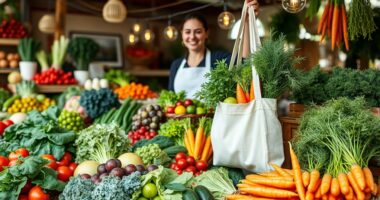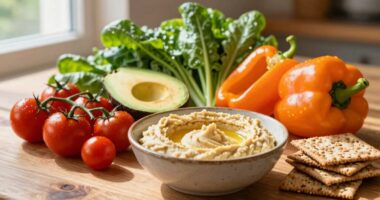


Ultra-processed vegan foods may seem healthy but often contain additives, preservatives, and unhealthy fats that can harm your health and negatively impact the environment. They’re usually high in sodium and refined carbs, providing limited nutrients and possibly causing deficiencies over time. Instead, focus on whole, minimally processed plant foods like fruits, vegetables, grains, and legumes, which support your wellbeing and sustainability. Want to discover better options? Keep exploring to learn how to make smarter choices.

Get health and wellness essentials delivered free with Prime
- Fast, free delivery on millions of items
- Prime Video, Amazon Music and more included
- Member-only deals all year
Key Takeaways
- Ultra-processed vegan foods often contain high levels of sodium, unhealthy fats, and artificial additives, which can harm long-term health.
- Relying heavily on these products may lead to nutritional deficiencies due to low vitamins, minerals, and fiber.
- Their manufacturing and packaging have significant environmental impacts, including energy use and habitat destruction.
- Opt for whole, minimally processed plant foods like fruits, vegetables, grains, and legumes for better health and sustainability.
- Preparing meals at home with fresh ingredients ensures better nutrient control and reduces reliance on processed options.
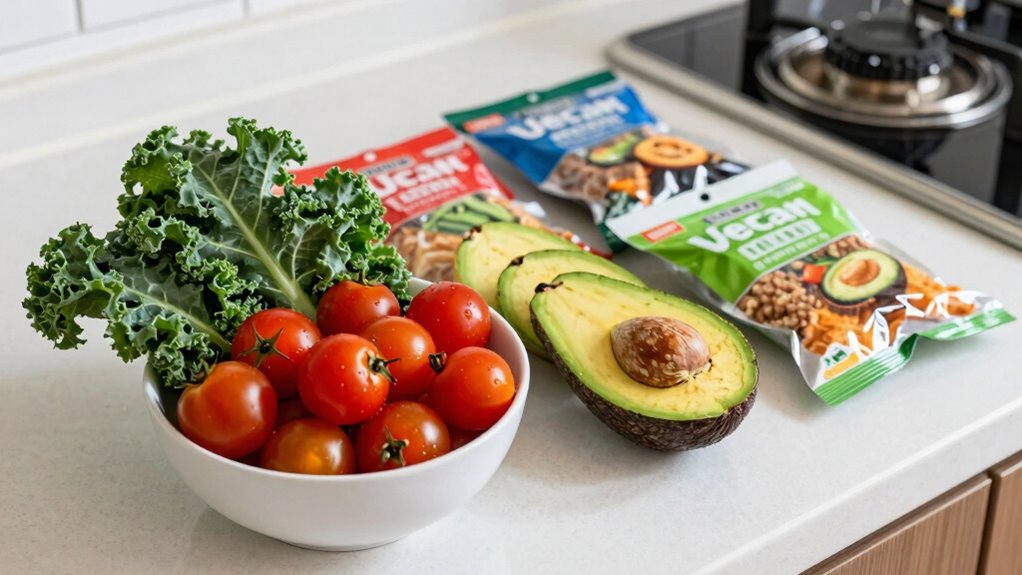
While vegan diets are often associated with whole, minimally processed foods, the rise of ultra-processed vegan products has changed the landscape of plant-based eating. These products, which include meat substitutes, snack foods, and convenience meals, are designed to mimic traditional animal-based items but are often loaded with additives, preservatives, and artificial ingredients. While they may seem like a quick and easy way to adopt a plant-based lifestyle, they come with some notable concerns. One significant issue is the nutritional pitfalls. Many of these products are high in sodium, unhealthy fats, and refined carbohydrates, while lacking essential nutrients like fiber, vitamins, and minerals found in whole plant foods. Relying heavily on ultra-processed vegan foods can lead to nutritional deficiencies and may not support ideal health in the long run.
Beyond nutritional concerns, these products also have a considerable environmental impact. Although they are marketed as sustainable alternatives to meat, many ultra-processed vegan foods require energy-intensive manufacturing processes. The packaging is often excessive and difficult to recycle, contributing to increased waste. Additionally, some ingredients in these products, such as soy protein isolates and palm oil, are linked to environmental issues like deforestation, habitat destruction, and high water usage. So, even as you try to reduce your carbon footprint by choosing plant-based options, you might inadvertently be supporting environmentally harmful practices if you rely too much on ultra-processed foods.
To truly embrace the health and environmental benefits of a vegan diet, you should focus on whole, minimally processed plant foods. Think fresh vegetables, fruits, whole grains, legumes, nuts, and seeds. These foods provide the nutrients your body needs without the added chemicals and preservatives found in many ultra-processed options. Preparing meals at home allows you to control ingredients and avoid unnecessary additives, making your diet more wholesome and sustainable. Incorporating more plant-based whole foods can improve your nutrient intake, help maintain a healthy weight, and support better digestion. It also reduces your environmental footprint since whole foods generally require less processing and packaging.
As an affiliate, we earn on qualifying purchases.
Frequently Asked Questions
Are All Vegan Processed Foods Unhealthy?
Not all vegan processed foods are unhealthy. Some, like vegan protein sources and products with plant-based additives, can be nutritious and convenient. However, it’s crucial to read labels and avoid those high in artificial ingredients or excessive preservatives. Opt for minimally processed options, such as whole foods and plant-based proteins, to guarantee you’re nourishing your body while enjoying the benefits of a vegan diet. Balance is key.
How Can I Identify Ultra-Processed Vegan Products?
Did you know that over 50% of packaged foods are ultra-processed? To identify ultra-processed vegan products, check ingredient labels carefully—look for unfamiliar additives, artificial flavors, or preservatives. Also, consider processing methods; if a product’s heavily processed with multiple ingredients or comes from a long list of chemicals, it’s likely ultra-processed. Stick to whole, minimally processed foods for better health and nutrition.
Do Ultra-Processed Vegan Foods Contain Added Sugars?
Yes, ultra-processed vegan foods often contain added sugars. These added sugars enhance flavor and shelf life but can contribute to health concerns like weight gain and blood sugar spikes. When choosing vegan products, check labels for ingredients like cane sugar, corn syrup, or agave syrup. Opt for minimally processed options like whole fruits, vegetables, nuts, and seeds to avoid unnecessary added sugars and support better health.
Are There Natural Alternatives to Ultra-Processed Vegan Snacks?
Yes, there are natural snack options you can choose instead of ultra-processed vegan snacks. Look for snacks with plant-based preservatives like natural antioxidants or acids, which help maintain freshness without artificial additives. Fresh fruits, vegetables, nuts, seeds, or homemade snacks are great alternatives. These options provide essential nutrients and avoid the drawbacks of highly processed foods, supporting your health while satisfying your snack cravings naturally.
How Do Ultra-Processed Vegan Foods Impact Long-Term Health?
Ultra-processed vegan foods can negatively impact your long-term health by causing nutritional deficiencies and gut health issues. They often lack essential nutrients and fiber, which are crucial for maintaining ideal health. Regular consumption may weaken your immune system and lead to digestive problems. To protect your health, focus on whole, minimally processed plant-based foods that provide balanced nutrition and support gut health naturally.
As an affiliate, we earn on qualifying purchases.
Conclusion
So, next time you’re tempted by those ultra-processed vegan snacks, ask yourself: are they really nourishing your body or just ticking a box? Instead, opt for whole, minimally processed foods like fresh fruits, vegetables, nuts, and whole grains. These natural options fuel your body better and support genuine health. Isn’t it time you chose foods that truly nourish you, rather than quick fixes that might do more harm than good? Your body will thank you!
As an affiliate, we earn on qualifying purchases.
As an affiliate, we earn on qualifying purchases.
Halloween Picks
halloween
As an affiliate, we earn on qualifying purchases.