To eat more beans without digestive regret, start with small portions like 1-2 tablespoons and gradually increase over time. Properly prepare beans by soaking them overnight, rinsing well, and cooking thoroughly. Use fermentation techniques or add herbs like cumin to make digestion easier and boost nutrients. Combining gradual introduction with careful preparation helps your digestive system adapt smoothly. Keep at it consistently, and you’ll discover effective ways to enjoy beans comfortably—there’s more to learn on this path.
Key Takeaways
- Gradually increase bean intake, starting with small portions to allow your digestive system to adapt.
- Soak and rinse beans thoroughly, then cook them well to reduce anti-nutrients and improve digestibility.
- Incorporate fermentation techniques or probiotic starters to break down complex sugars causing gas.
- Add herbs like cumin, ginger, or fennel seeds during cooking to aid digestion and reduce bloating.
- Be patient and consistent, allowing your gut time to adjust to higher bean consumption for long-term comfort.
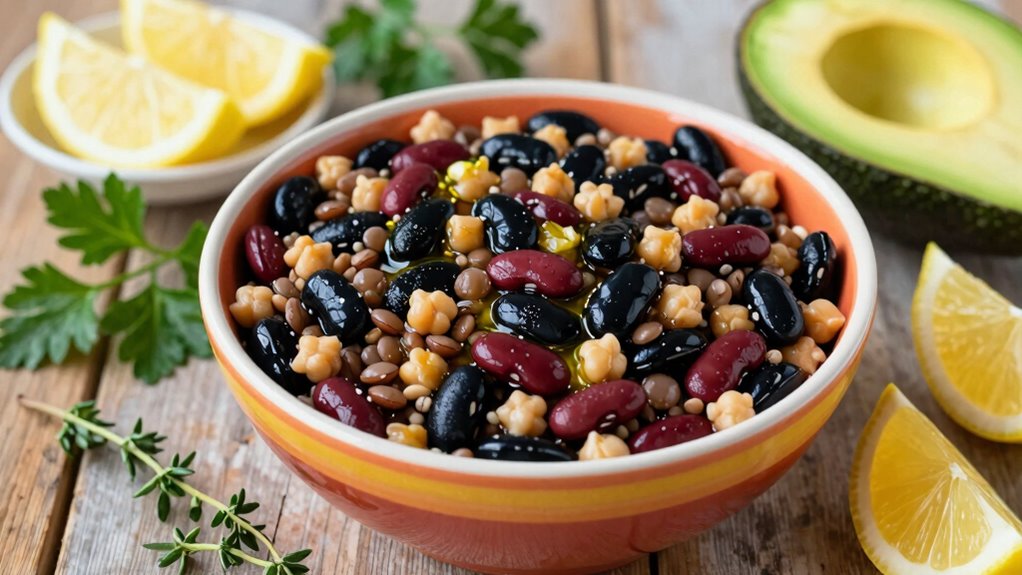
If you’re looking to incorporate more beans into your diet but worry about digestive discomfort, you’re not alone. Many people want to enjoy the health benefits of beans—like fiber, protein, and antioxidants—yet fear the gas, bloating, or stomach cramps that often come with them. The good news is that with some simple strategies, you can enjoy beans without regret. One effective approach is to use fermentation techniques, which help break down complex sugars that cause gas. Fermentation, through processes like soaking beans in water with a bit of salt or adding probiotic starters, can significantly reduce the compounds responsible for bloating. This not only makes beans easier to digest but also boosts their nutritional value.
Fermentation and soaking can make beans easier to digest and boost their nutritional benefits.
Another key step is a gradual introduction. Instead of diving headfirst into a large serving, start with small portions—maybe a tablespoon or two—and slowly increase the amount over days or weeks. This allows your digestive system to adjust gradually, reducing the likelihood of discomfort. When you first introduce beans, soak them thoroughly—preferably overnight—to help leach out some of the indigestible sugars. Rinse the beans well before cooking, and consider cooking them with herbs like bay leaves or spices like cumin, which can aid digestion. Incorporating proper preparation methods can further enhance digestibility and nutritional value. Additionally, choosing easier-to-digest bean varieties can make a noticeable difference for sensitive stomachs.
It’s also helpful to cook beans thoroughly, as undercooked beans are harder to digest and contain higher levels of certain anti-nutrients. If you’re using canned beans, rinse them well to wash away excess salt and some of the indigestible sugars. Incorporating fermentation techniques can also help unlock more nutrients and improve digestibility. Using soaking methods can also play a crucial role in reducing digestive issues, especially when combined with fermentation. Incorporating digestive aids like ginger or fennel seeds during cooking can further promote comfort after eating beans.
Remember, patience is key. Your gut needs time to adapt, but with the right fermentation techniques and a gradual introduction, you’ll soon be able to enjoy beans regularly without regret, reaping their full nutritional benefits.

Fermented bean curd koji powder, mold tofu koji powder, mold fermentation powder, (5g /bag * 10 bags)
- Net Content: 5g per bag
- Shelf Life: 365 days
- Packaging Method: Bagged
As an affiliate, we earn on qualifying purchases.
As an affiliate, we earn on qualifying purchases.
Frequently Asked Questions
Are Canned Beans as Healthy as Dried Beans?
Canned beans are just as healthy as dried beans, offering convenience and a variety of flavor options. They’re pre-cooked, saving you time, but check for added sodium—rinsing reduces salt content. Dried beans often have a longer shelf life if stored properly; store them in airtight containers in a cool, dry place. Both types provide fiber and nutrients, so choose based on your taste preference and storage needs.
Can Certain Beans Cause More Gas Than Others?
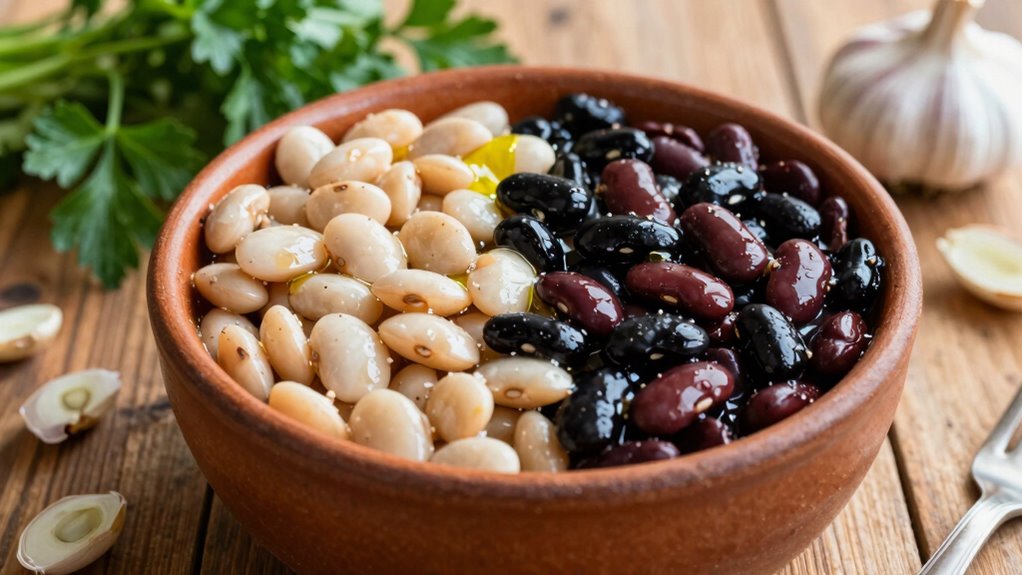
Yes, certain bean varieties can cause more gas than others. For example, kidney beans, chickpeas, and lentils tend to have a higher gas impact due to their specific types of fiber and oligosaccharides. To reduce discomfort, try gradually introducing these beans into your diet, soaking them well, and cooking thoroughly. This helps break down some of the compounds responsible for gas, making it easier for your digestive system to handle different bean varieties.
How Long Does It Take to See Digestive Improvements?
Digestive adaptation typically takes about one to three weeks as your gut gradually adjusts. During this period, you’ll notice bloating reduction and better digestion. Patience is key—start with small portions, drink plenty of water, and soak or cook beans thoroughly. As your system adapts, you’ll find eating beans becomes easier, with less gas and more gains. Stick with it, and your digestive health will thank you!
Should I Gradually Increase Bean Intake or Jump in Quickly?
You should opt for a gradual introduction when increasing your bean intake. Slowly adding more beans allows your digestive system to adapt, reducing discomfort. Rapid incorporation might cause bloating and gas, which can discourage you from eating beans altogether. Start with smaller portions, and gradually increase over a week or two. This approach helps your gut adjust comfortably, letting you enjoy the nutritional benefits of beans without the digestive regret.
Are There Specific Cooking Methods to Reduce Bloating?
To reduce bloating, you should use fermentation techniques like fermenting beans or soaking them thoroughly before cooking. Bean soaking helps break down complex sugars that cause gas, making beans easier to digest. Fermentation further reduces those compounds. Drain and rinse soaked beans well, then cook them in fresh water. Incorporating these methods into your cooking routine can considerably minimize bloating and make eating beans more comfortable.
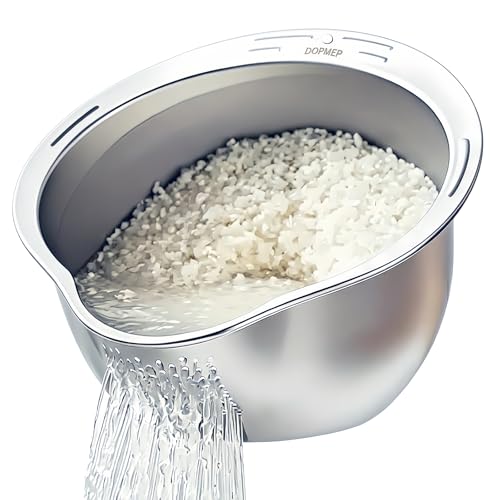
DOPMEP Rice Washer Strainer Bowl Stainless Steel Colander with Side Drainer
- Premium Stainless Steel: Corrosion-resistant and durable construction
- Multi-Use Kitchen Tool: Rinses, drains, and soaks various foods
- Fast Draining Design: Side drain holes for quick water removal
As an affiliate, we earn on qualifying purchases.
As an affiliate, we earn on qualifying purchases.
Conclusion
Remember, Rome wasn’t built in a day. Start adding beans gradually to your meals, listen to your body, and stay patient. With time, your digestive system will adapt, and you’ll enjoy the numerous health benefits beans offer. Don’t rush the process or get discouraged if it takes a little longer. Embrace the journey toward a healthier you, because small steps lead to big changes—one bean at a time.

Amazing Herbs Ground Premium Black Cumin Seed Nigella Seeds – 4 Oz Bottle
- Premium Ground Black Cumin: Rich in thymoquinone for wellness
- Certified Organic Ingredients: USDA-certified pure black cumin seeds
- Supports Immune & Heart Health: May boost immunity and cardiovascular health
As an affiliate, we earn on qualifying purchases.
As an affiliate, we earn on qualifying purchases.

Enzymedica BeanAssist – Digestive Enzyme Supplement for Women & Men, Alpha Galactosidase Enzyme for Digestion & Gut Health Support, Helps Reduce Gas & Bloating, Fast-Acting, Vegan – 30 Caps
- Digestive Enzyme for Beans: Breaks down complex carbs from fiber-rich foods
- Fast-Acting Formula: Provides quick digestive support during meals
- Reduces Gas and Bloating: Eases discomfort from beans, grains, vegetables
As an affiliate, we earn on qualifying purchases.
As an affiliate, we earn on qualifying purchases.