
In a global grocery world, buying local produce matters because it supports your health with fresher, more nutritious foods that taste better. It reduces environmental impact by cutting transportation emissions and promotes sustainable farming practices that protect ecosystems. Supporting local farms also strengthens your community and keeps money circulating locally. By choosing local, you help foster a resilient food system and encourage mindful eating. Keep exploring to discover even more ways local produce benefits you and the planet.
Key Takeaways
- Local produce is fresher, retaining more nutrients and flavor compared to globally sourced items.
- Supporting local farms strengthens community economies and fosters transparency about food origins.
- Eating seasonally reduces the need for artificial ripening and long-term storage, improving nutritional quality.
- Purchasing locally lowers transportation emissions, benefiting environmental sustainability.
- Local foods promote biodiversity and sustainable farming practices, contributing to resilient food systems.
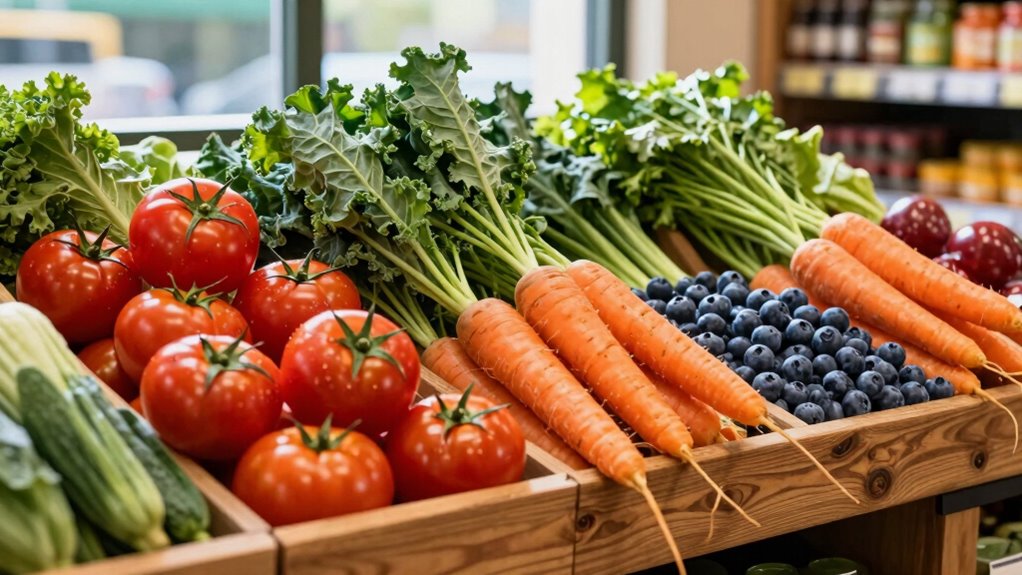
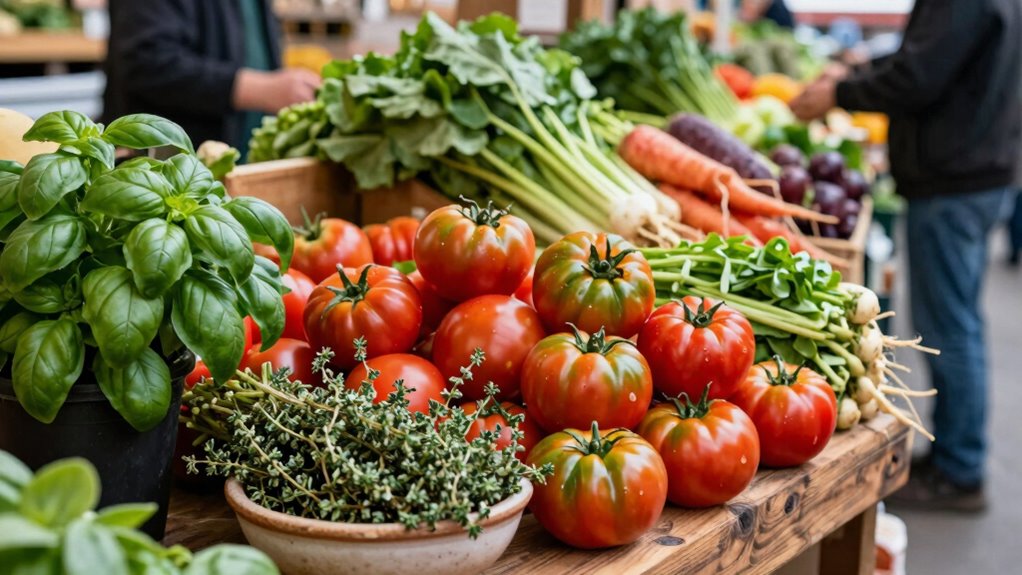
In a world where grocery shelves are filled with imported fruits and vegetables, it’s easy to overlook the value of local produce. But stepping back to appreciate what’s grown nearby can have a meaningful impact on your health, community, and the environment. Local produce often comes from farms that prioritize sustainable farming practices, which means fewer chemicals, healthier soil, and less pollution. When you buy locally, you support farmers who are committed to maintaining the land’s health for future generations. This approach not only helps preserve the environment but also encourages practices that are more respectful of natural ecosystems. Additionally, local produce is usually fresher, meaning it retains more nutrients and flavor compared to items shipped over long distances.
One of the biggest advantages of choosing local is its seasonal availability. When you buy fruits and vegetables in season, you’re getting produce at its peak flavor and nutritional content. Seasonal foods are harvested at just the right time, which means they don’t need to be artificially ripened or stored for long periods. This not only enhances taste but also reduces energy consumption associated with artificial ripening and long-term storage. By aligning your eating habits with the seasons, you can enjoy a wider variety of fresh, flavorful produce throughout the year. It also encourages you to experiment with different ingredients, broadening your culinary horizons and making your diet more diverse and nutritious. Incorporating seasonal eating can also promote biodiversity by supporting a wider range of native plant varieties.
Supporting local farmers through your grocery choices helps build stronger, more resilient communities. When you buy local, your money stays within the community, bolstering local economies and fostering relationships between consumers and growers. This connection often leads to more transparency about how your food is produced, giving you confidence in its quality and origin. Moreover, local produce often involves shorter supply chains, which means less transportation and reduced carbon emissions. While globalization has made many foods readily available year-round, it’s important to recognize that this convenience can come at an environmental cost. Choosing local not only benefits your health but also contributes to a more sustainable and responsible food system. Supporting local farms and their practices can help promote biodiversity and the preservation of native plant varieties. Additionally, understanding sound vibrations and their potential influence on health can inspire more mindful choices in food and lifestyle.
Furthermore, embracing sustainable agriculture methods can lead to healthier ecosystems and more resilient food systems in the long run.
In the end, prioritizing local produce isn’t just about supporting your community; it’s about making mindful choices that respect the environment, embrace seasonal rhythms, and enjoy food at its freshest. Even in a global grocery world, your decision to buy local can make a significant difference.
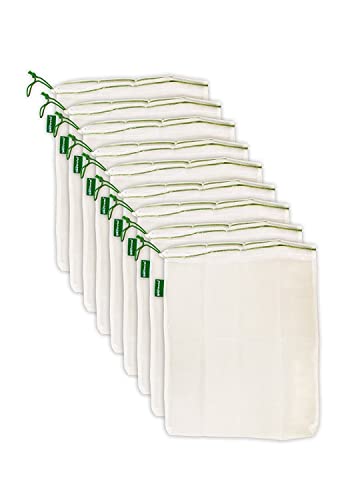
Earthwise Reusable Mesh Produce Bags – Washable Set of 9 Premium Bags, TRANSPARENT Lightweight, Strong SEE-THROUGH Mesh for shopping, transporting and storing fruits and veggies.
SUPER VALUE – You will receive a total of 9 Mesh Produce Bags! SIZE: Each Bag Measures 11"…
As an affiliate, we earn on qualifying purchases.
As an affiliate, we earn on qualifying purchases.
Frequently Asked Questions
How Does Local Produce Impact Local Economies?
By buying local produce, you support farmer livelihoods, helping them earn fair income and stay in business. This boosts the local economy, creating jobs and strengthening community resilience. When you choose local, you’re investing directly in your neighborhood, fostering sustainable growth. Your support keeps small farms thriving, preserves local traditions, and guarantees fresh, quality food remains accessible, making a positive impact on both your community and the environment.
Are Local Foods More Nutritious Than Imported Ones?
You’ll find local foods often more nutritious than imported ones because they’re picked at peak ripeness, much like a freshly plucked apple versus one stored for months. Nutritional differences matter; local produce typically retains more vitamins and antioxidants. The freshness benefits mean you get better flavor and health benefits, supporting your wellbeing. When you choose local, you’re choosing produce that’s fresher, more vibrant, and more nutritious for your body.
What Challenges Do Local Farmers Face in Global Markets?
You face challenges like trade barriers and market volatility that make it tough to compete globally. Trade restrictions can limit your access to larger markets, while fluctuating prices and demand create uncertainty. These obstacles can reduce your income stability and growth opportunities. Despite these hurdles, maintaining local connections and emphasizing quality can help you stand out, ensuring your produce remains valued by consumers who appreciate freshness and sustainability.
How Can Consumers Identify Truly Local Produce?
You can identify truly local produce by checking for seasonal availability, which indicates it’s grown nearby. Look for labels or signage that mention provenance verification, confirming where and how the food was produced. Since nearly 60% of consumers now prioritize local options, asking questions at the store helps. Trust your senses—fresh, vibrant produce often signals freshness and local origin, ensuring you’re supporting local farmers and getting the best quality.
Does Buying Local Reduce Environmental Impact?
Yes, buying local reduces your environmental impact by lowering your carbon footprint, since local produce travels shorter distances, decreasing emissions. When you choose seasonal eating, you support local farms and reduce the need for energy-intensive transportation and storage. This practice preserves freshness and flavor while minimizing environmental harm. By prioritizing local, seasonal foods, you actively contribute to a more sustainable food system and lessen your ecological footprint.
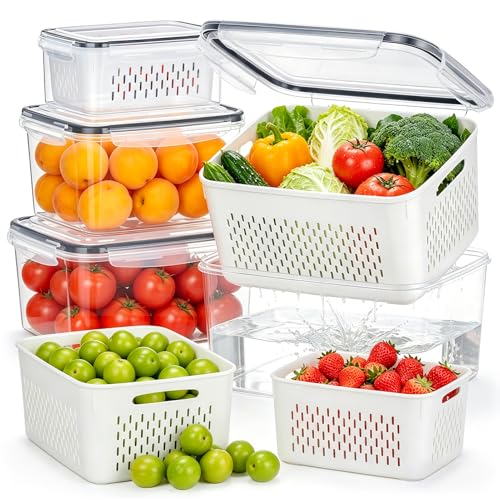
HOMETALL 4 Pack Fruit Storage Containers for Fridge Set, Produce Containers for Fridge with Strainer, Plastic Reusable Fridge Organizers and Storage for Berry Salad Lettuce, Size 3.4, 1.8, 0.9, 0.4QT
4 PACK FRUIT CONTAINERS FOR FRIDGE: Fruit storage containers for fridge includes include 4 pack of large size…
As an affiliate, we earn on qualifying purchases.
As an affiliate, we earn on qualifying purchases.
Conclusion
Even in a world dominated by global grocery chains, choosing local produce makes a real difference. Imagine walking into your neighborhood store and grabbing freshly picked strawberries from a nearby farm, supporting local farmers and enjoying better flavor. Every purchase like this strengthens your community and reduces carbon footprints. So next time, opt for local—your taste buds, community, and the environment will thank you. Small choices can create big, positive change.

KYODOLED Wall Mount Money Drop Box with Lock & Slot, Metal Cash Box for Farm Stand, Porch Pickup, Office & Donations, 10.24×5.7×2.95 Inch, Black
【Leave Cash Securely When You're Not There】Ideal for farm stands, porch pickup orders, roadside stands, and small self-service…
As an affiliate, we earn on qualifying purchases.
As an affiliate, we earn on qualifying purchases.

Spring Chef Premium Swivel Vegetable Peeler, Soft Grip Handle and Ultra Sharp Stainless Steel Blades – Perfect Kitchen Peeler For Veggie, Fruit, Potato, Carrot, Apple – Black
Smooth, Effortless Peeling – Dual Stainless Steel blades stay ultra sharp and swivel to glide along fruits and…
As an affiliate, we earn on qualifying purchases.
As an affiliate, we earn on qualifying purchases.