
Zinc is essential for your immune system, cell growth, and overall health, yet it’s often overlooked in plant-based diets. Since soil mineral content influences zinc levels in foods, sourcing from zinc-rich soils and diversifying plant sources like legumes, seeds, and nuts can boost your intake. Proper cooking methods, like steaming or sprouting, help preserve zinc and improve absorption. Stay with us to discover how you can optimize zinc intake through smarter choices.
Key Takeaways
- Zinc is vital for immune health, cell growth, and overall well-being, often overlooked in plant-based diets.
- Soil mineral content directly impacts zinc levels in plant foods, affecting plant-based nutrition quality.
- Plant sources of zinc may have lower bioavailability due to inhibitors like phytates, requiring mindful food preparation.
- Proper cooking and processing methods, such as soaking or fermenting, can enhance zinc absorption from plant foods.
- Diversifying plant-based zinc sources and sourcing from zinc-rich soils ensures adequate intake for health.
Zinc plays a critical role in supporting your immune system, cell growth, and overall health, making it an essential mineral to include in your plant-based diet. Unlike animal sources, plant foods often contain zinc in forms that are less readily absorbed by your body, which means you need to pay close attention to how your food is grown and prepared. Soil mineral content substantially influences the zinc levels in plant foods. If the soil is deficient in zinc, the plants grown there will have lower concentrations of the mineral, reducing your potential intake. That’s why sourcing from organic farms or areas with known zinc-rich soils can make a real difference in your diet. It’s also beneficial to diversify your plant sources, opting for whole grains, legumes, seeds, and nuts, as these tend to have higher zinc content. However, even with zinc-rich foods, the way you prepare them impacts how much zinc you actually absorb. Cooking method impacts can vary greatly—boiling vegetables can cause zinc to leach into the water, reducing its availability, while steaming or roasting helps retain more of this essential mineral. When you cook foods that are high in zinc, consider methods that preserve nutrients rather than dilute them. For example, soaking and sprouting legumes can also improve zinc bioavailability by reducing phytate levels, which are compounds that inhibit zinc absorption. It’s important to recognize that even the most zinc-dense plant foods won’t do much good if your cooking methods diminish their mineral content. You should also be aware of how certain foods or additives might interfere with zinc absorption—like phytates in whole grains or oxalates in spinach—so balancing your diet becomes important. Incorporating fermented foods or using techniques such as soaking, sprouting, or fermenting can help release more zinc from plant sources. Additionally, understanding how Soil mineral content influences your food’s zinc levels can help you make smarter sourcing decisions. Being mindful of soil health and its role in mineral content can help you optimize your nutrient intake from plant-based foods. By understanding how soil mineral content influences your food’s zinc levels and how your chosen cooking methods impact zinc retention, you can optimize your intake. This knowledge empowers you to make smarter choices, ensuring your plant-based diet meets your nutritional needs. Zinc might often be overlooked, but paying attention to these details makes a notable difference. It’s not just about what you eat but how you grow and prepare it. So, next time you plan your meals, think about sourcing zinc-rich foods from healthy soils and choosing cooking methods that conserve this essential mineral. Doing so helps support your immune health, improves cell function, and keeps your overall well-being on track.

PlantFusion Vegan Zinc Supplements 22 mg – Wholefood Complex, Chelated Zinc Citrate from Organic Guava Leaf for Immune Support, 60 Capsules
High Potency Zinc for Immune Support – Our Vegan Wholefood Zinc supplement is expertly formulated to support immune…
As an affiliate, we earn on qualifying purchases.
As an affiliate, we earn on qualifying purchases.
Frequently Asked Questions
Can Vegans Meet Zinc Requirements Without Supplements?
Yes, you can meet zinc requirements without supplements. Focus on zinc-rich plant foods like legumes, seeds, nuts, and whole grains, which have good zinc bioavailability. While vegan zinc supplements are available, prioritizing diverse, whole foods helps guarantee adequate intake naturally. Remember, phytates in some plant foods can hinder zinc absorption, so soaking, sprouting, or fermenting these foods can enhance zinc bioavailability, supporting your nutritional needs effectively.
How Does Cooking Affect Zinc Content in Plant Foods?
Cooking methods can considerably impact zinc content in plant foods, affecting nutrient retention. Boiling, for example, may cause zinc to leach into the cooking water, reducing its presence in your meal. Steaming or sautéing, on the other hand, helps preserve zinc levels better. To maximize zinc intake, choose cooking methods that retain nutrients, like steaming or roasting, and avoid overcooking, which can diminish zinc’s nutritional value in your plant-based dishes.
Are There Risks of Zinc Deficiency in Plant-Based Diets?
Think of your body as a garden, where zinc is a crucial nutrient. In a plant-based diet, soil depletion can lead to zinc deficiency, risking your health’s growth. While zinc toxicity is rare, it’s essential to balance intake. Without mindful eating, you might face deficiencies, but choosing diverse, zinc-rich plant foods keeps your garden thriving and resilient against the effects of soil depletion.
Which Plant-Based Foods Are Richest in Zinc?
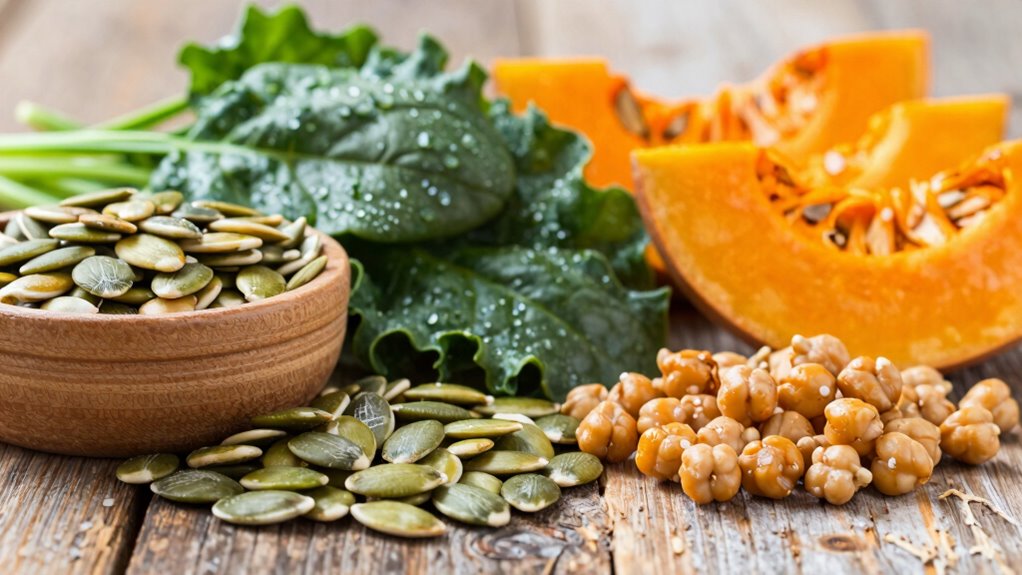
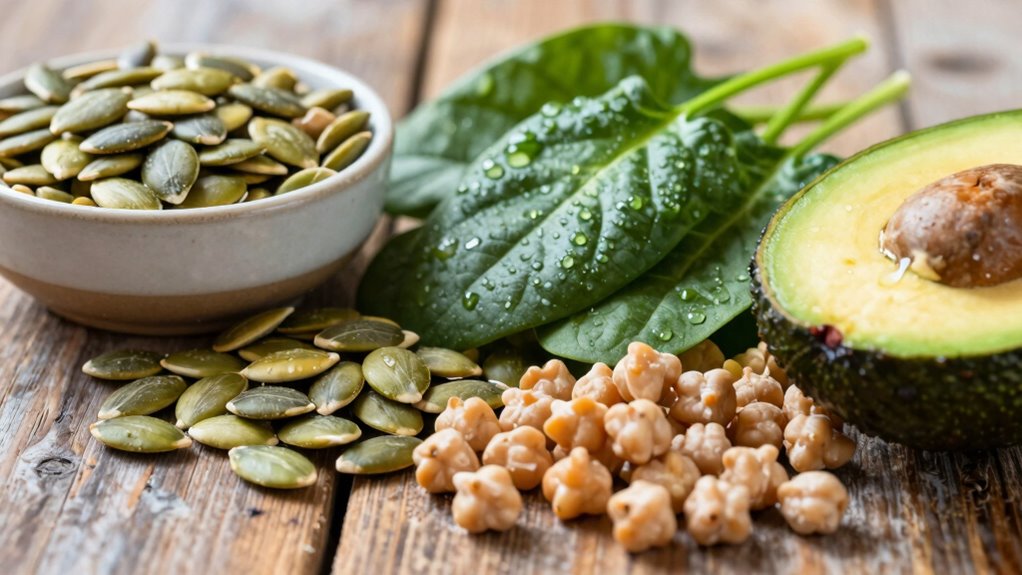
You’ll find zinc-rich plant sources like legumes, seeds, nuts, whole grains, and vegetables. Chickpeas, lentils, pumpkin seeds, sesame seeds, cashews, and oats top the list. Keep in mind, zinc bioavailability from plant foods can be lower due to phytates, so soaking, sprouting, or fermenting helps improve absorption. Incorporate these plant zinc sources regularly to meet your needs and support overall health on a plant-based diet.
How Does Zinc Absorption Differ Between Plant and Animal Sources?
Think of zinc absorption like a garden thriving or wilting—soil mineralization boosts its growth, but phytate interference acts like weeds choking it out. In plant sources, phytates bind zinc, making absorption harder, unlike animal sources where zinc is more bioavailable. To improve intake, soak, ferment, or sprout plant foods—these techniques break down phytates, helping your body better absorb zinc and nourish your health.

Zinc Sulfate for Plants – Liquid Plant Food for Healthy Growth & Strong Root Development, 8 oz (250mL)
Supports Strong Roots & Healthy Foliage – Helps encourage balanced plant development.
As an affiliate, we earn on qualifying purchases.
As an affiliate, we earn on qualifying purchases.
Conclusion
So, don’t let zinc be the forgotten hero in your plant-based journey. Like a trusty steed in a medieval quest, zinc supports your immune system, growth, and overall health. Make sure to include zinc-rich foods in your diet—think beans, nuts, and seeds—so you can conquer your wellness goals. Remember, even in the age of smartphones and skyscrapers, some essentials, like zinc, still hold timeless value. Stay vigilant, and your body will thank you.
soaking sprouting legumes for zinc absorption
As an affiliate, we earn on qualifying purchases.
As an affiliate, we earn on qualifying purchases.
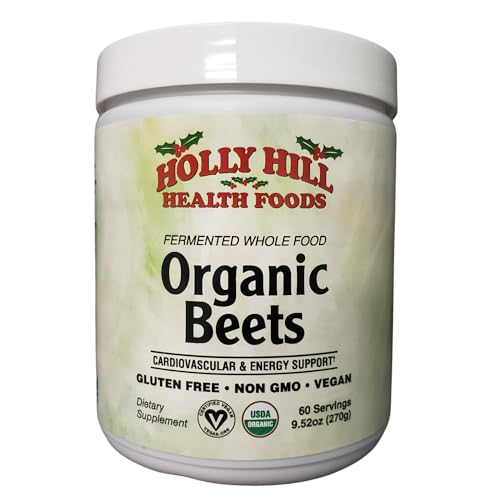
Holly Hill Health Foods Fermented Whole Food Organic Beets, 9.52 Ounces
4.5g Fermented Beet Powder, QAI-Certified USDA Organic and Vegan.org verified.
As an affiliate, we earn on qualifying purchases.
As an affiliate, we earn on qualifying purchases.