

Home freeze drying can revolutionize how you store produce by retaining more nutrients, flavor, and texture than traditional methods. It’s lightweight, convenient, and perfect for snacks or emergency supplies, reducing waste and reliance on preservatives. This eco-friendly process uses minimal energy, supports sustainable living, and extends the shelf life of your favorite fruits and vegetables. If you want to discover how this method could fit into your plant-based lifestyle, there’s more to explore below.

Get health and wellness essentials delivered free — and shop member deals
- Fast, free delivery on millions of items
- Access to Prime Big Deal Days deals on October 6–7
- Prime Video, Amazon Music and more included
Key Takeaways
- Home freeze drying preserves produce nutrients, flavor, and antioxidants better than traditional methods.
- It offers convenient, lightweight, ready-to-eat foods ideal for storage and on-the-go use.
- The process supports sustainable practices by reducing waste, energy use, and reliance on preservatives.
- Freeze-dried produce extends shelf life without packaging or additives, enabling year-round plant-based eating.
- It enhances food security and self-sufficiency for plant-based families through better produce preservation.
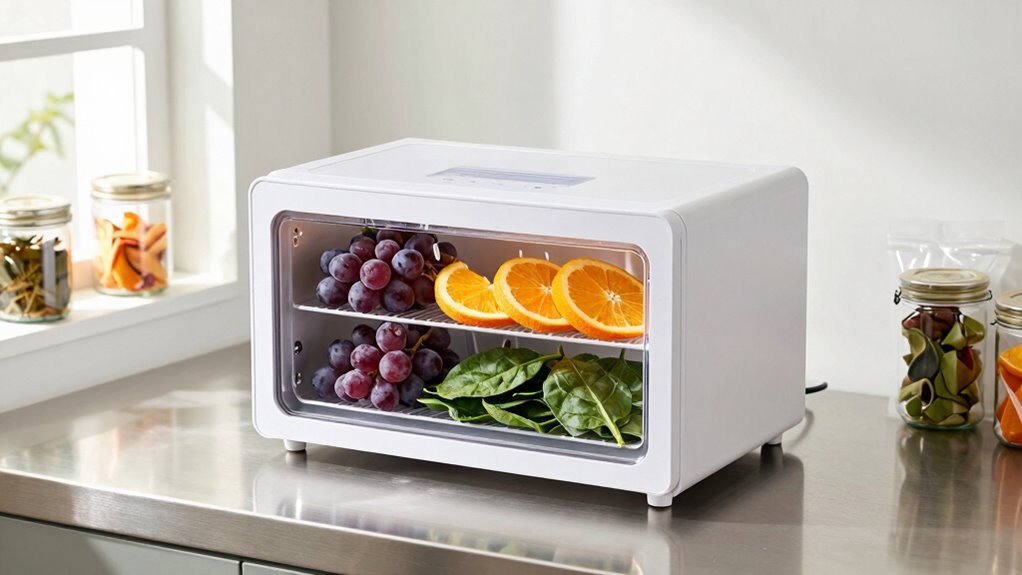
One of the key benefits of home freeze drying is nutrient retention. During the process, the low temperatures prevent the breakdown of vitamins and antioxidants that often occur with other preservation methods like canning or dehydration. As a result, your stored produce retains much of its original nutritional profile, providing you with healthy options long after the harvest season ends. This is especially valuable for plant-based families who want to maximize the health benefits of their foods without sacrificing flavor or nutritional density. With preserved produce, you can easily add nutrient-rich ingredients to smoothies, soups, or snacks, knowing they still pack a nutritional punch. Additionally, home freeze drying minimizes the use of preservatives and additives, making it a natural preservation method that aligns with health-conscious lifestyles. Incorporating nutrient preservation techniques like freeze drying helps ensure your foods retain their health benefits over time.
Another advantage is the convenience of having ready-to-eat, lightweight foods on hand. Freeze-dried fruits and vegetables are portable, which makes them perfect for snacks, camping trips, or emergency supplies. You won’t have to worry about spoilage or freezer burn, and the lightweight nature of the final product means less bulk in your pantry or backpack. Plus, because freeze-dried foods rehydrate quickly, you can enjoy fresh-tasting meals without the long wait that traditional drying methods require. Incorporating sustainable food storage practices like home freeze drying can significantly reduce waste and reliance on less environmentally friendly preservation techniques. Moreover, the minimal energy consumption during the freeze drying process makes it a more eco-friendly option compared to other preservation methods. This process also supports a zero-waste lifestyle, as it encourages thoughtful use of fresh produce and reduces discardable scraps.
Implementing home freeze drying also encourages a more sustainable approach to food storage. Instead of relying on single-use packaging or preservatives, you’re preserving foods naturally. This reduces your environmental impact and helps you practice more mindful consumption. Additionally, you gain control over the process, choosing organic or locally sourced produce to ensure the highest quality. As you become more skilled at home freeze drying, you’ll find it easier to plan meals, reduce waste, and enjoy a steady supply of nutritious, flavorful plant-based foods throughout the year. Overall, this technique offers a practical, health-conscious way to extend the usefulness of your garden or grocery store bounty while maintaining the integrity of your foods.
As an affiliate, we earn on qualifying purchases.
Frequently Asked Questions
How Long Does Home Freeze Drying Equipment Typically Last?
Home freeze drying equipment typically lasts between 8 to 15 years with proper appliance maintenance. This longevity depends on factors like usage frequency and how well you care for your machine. Regularly cleaning and inspecting the appliance helps guarantee ideal food preservation and prevents malfunctions. Investing in quality equipment and following the manufacturer’s guidelines can extend its lifespan, making it a reliable tool for preserving your plant-based family’s produce.
Is Home Freeze Drying Safe Without Professional Oversight?
Home freeze drying is generally safe if you follow proper home safety guidelines, but seeking professional guidance is highly recommended, especially when starting out. Professionals can help you understand the equipment’s safe operation, prevent hazards, and guarantee your dried produce stays preserved properly. While you can do it safely at home, consulting experts minimizes risks and ensures effective results, making your home freeze drying experience both safe and successful.
What Is the Initial Cost of Setting up Home Freeze Drying?
The initial setup for home freeze drying typically costs between $2,000 and $4,000, depending on the equipment you choose. When considering cost comparison, keep in mind that quality machines may have higher upfront costs but offer better durability and efficiency. Equipment maintenance is relatively low, mainly involving regular cleaning and occasional part replacements. Investing in a reliable model guarantees safe, consistent results and long-term savings.
Can Freeze-Dried Produce Be Rehydrated for Cooking?
Absolutely, freeze-dried produce can be rehydrated for cooking, much like a sponge soaking up water. To do this, you can use simple rehydration techniques such as soaking in water, broth, or flavorful liquids. This process helps retain the original flavor and texture, making your dishes taste fresh and vibrant. Rehydrated produce is versatile and perfect for soups, stews, or salads, bringing convenience and flavor retention to your plant-based meals.
How Much Space Is Needed for a Home Freeze Dryer?
You’ll need enough space to accommodate the home freeze dryer’s equipment capacity, which varies by model. Typically, expect a footprint of about 2 to 4 square feet, plus extra room for storage of produce and accessories. Consider your storage requirements for bulk drying and rehydration, making certain the area allows easy access and ventilation. Proper spacing ensures safe operation and efficient drying, helping you maximize your home freeze drying setup.
freeze drying machine for fruits and vegetables
As an affiliate, we earn on qualifying purchases.
As an affiliate, we earn on qualifying purchases.
Conclusion
Imagine mastering the magic of home freeze drying, where pantry peace is perfectly preserved. With this powerful process, you can confidently capture the crispness of your crops and the freshness of your fruits, all while saving space and reducing waste. Embrace the ease, efficiency, and endless possibilities that home freeze drying offers to your plant-based family. Transform your storage solutions and taste the triumph of truly timeless, tasty produce—packed with potential, ready to relish whenever you want.
food dehydration and freeze drying equipment
As an affiliate, we earn on qualifying purchases.
As an affiliate, we earn on qualifying purchases.
compact freeze dryer for home use
As an affiliate, we earn on qualifying purchases.
As an affiliate, we earn on qualifying purchases.
Cold & flu season Picks
humidifiers
As an affiliate, we earn on qualifying purchases.