To follow an anti-inflammatory vegan diet, include plant-based fats like avocados, nuts, seeds, and olive oil, which help lower inflammation and boost heart health. Add spice blends with turmeric, ginger, and cinnamon to enhance flavor and provide antioxidants. These foods support a balanced omega-3 to omega-6 ratio and reduce chronic disease risks. Continue exploring how to incorporate these powerful ingredients for a healthier, more vibrant lifestyle.
Key Takeaways
- Incorporate plant-based fats like avocados, nuts, seeds, and olive oil to reduce inflammation and support heart health.
- Use anti-inflammatory spice blends containing turmeric, ginger, cinnamon, and cayenne to boost antioxidant intake.
- Replace processed foods with nutrient-dense plant foods such as salads, smoothies, and cooked vegetables.
- Maintain a healthy omega-3 to omega-6 ratio through foods like walnuts and chia seeds to lower inflammatory markers.
- Consistently include these foods and spices to promote overall wellness and reduce chronic inflammation naturally.
If you’re looking to reduce inflammation through your diet, adopting an anti-inflammatory vegan plan can be highly effective. One key to this approach is choosing foods that naturally combat inflammation, particularly plant-based fats and flavorful spice blends. These elements not only add richness and depth to your meals but also offer potent health benefits that support your body’s fight against chronic inflammation.
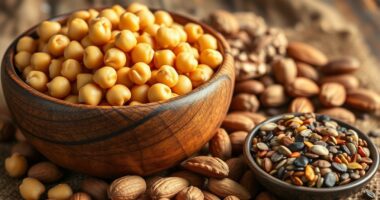
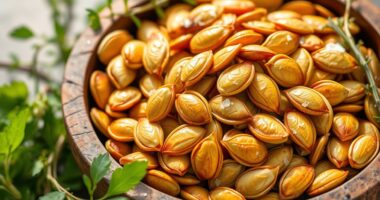
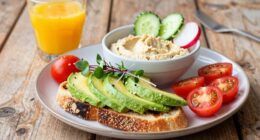
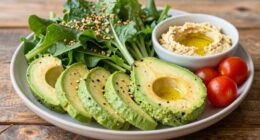
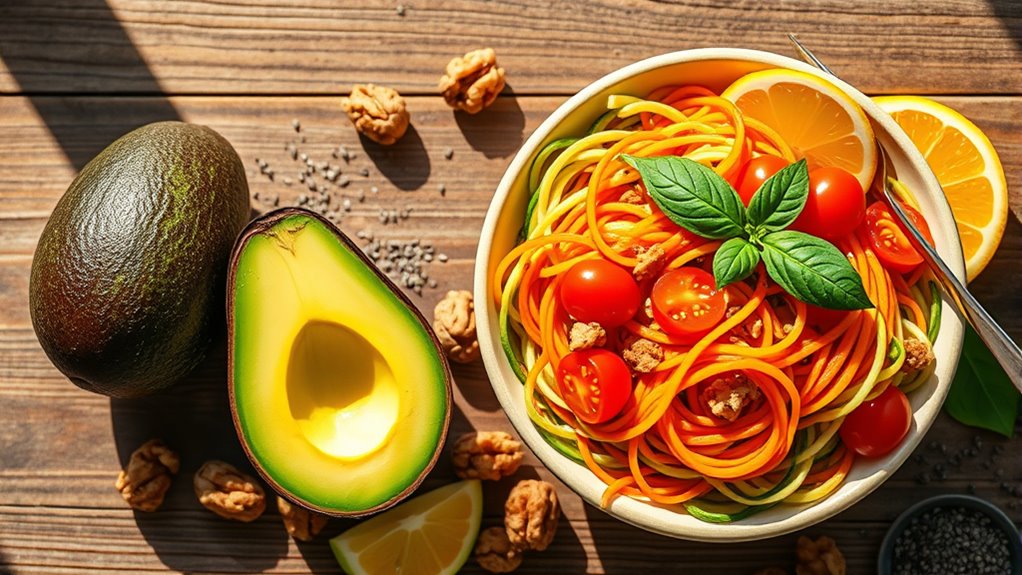
Plant-based fats play an essential role in an anti-inflammatory vegan diet. Unlike saturated fats found in animal products, these healthy fats come from sources like avocados, nuts, seeds, and olive oil. They contain monounsaturated and polyunsaturated fats, which have been shown to lower inflammatory markers and improve overall heart health. Incorporating these fats into your meals helps maintain a balanced omega-3 to omega-6 ratio, reducing the likelihood of inflammation triggered by excess omega-6 fatty acids. For example, adding a handful of walnuts or chia seeds to your breakfast, drizzling olive oil over salads, or enjoying avocado toast can considerably boost your intake of beneficial fats.
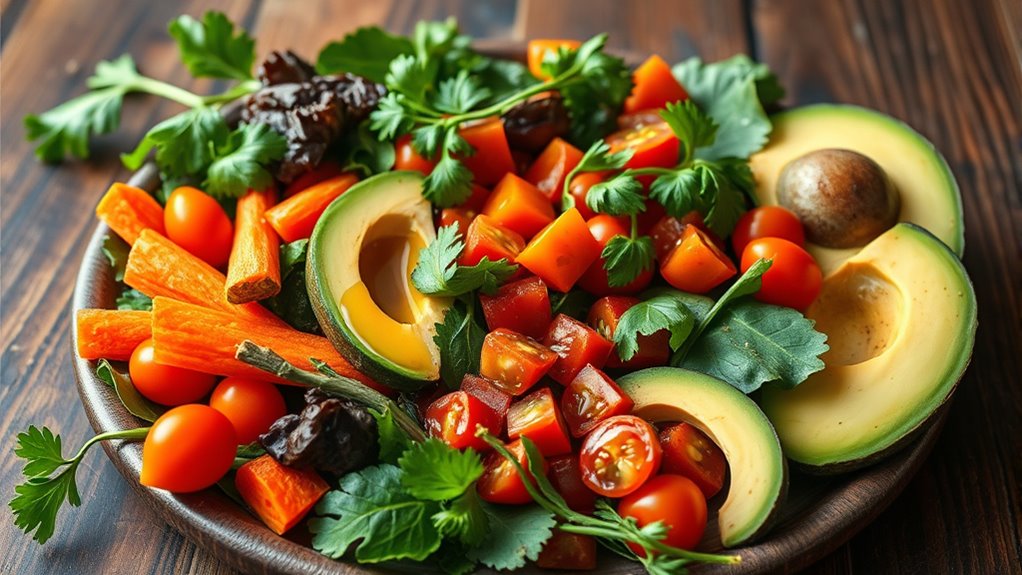
Plant-based healthy fats from avocados, nuts, seeds, and olive oil support heart health and reduce inflammation.
In addition to fats, spice blends are powerful tools for an anti-inflammatory vegan diet. Many spices contain bioactive compounds with anti-inflammatory and antioxidant properties. Turmeric, with its active component curcumin, is well-known for its ability to inhibit inflammatory pathways. Ginger, cinnamon, and cayenne pepper also contribute to reducing inflammation and enhancing circulation. Creating spice blends that combine these ingredients allows you to infuse your dishes with flavor while reaping their health benefits. For instance, a turmeric-ginger spice mix can be added to smoothies, soups, or roasted vegetables, making your meals both tasty and health-promoting. These spice blends often contain synergistic compounds, meaning their combined effects can be greater than individual spices alone.
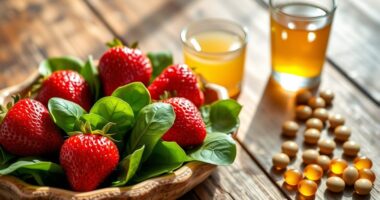
Switching to an anti-inflammatory vegan diet isn’t just about adding these foods; it’s about replacing processed, pro-inflammatory options with nutrient-dense alternatives. Incorporate plant-based fats into your salads, smoothies, and cooked dishes. Experiment with spice blends to enhance flavor and boost your anti-inflammatory intake. The more you learn to combine these ingredients thoughtfully, the more natural it becomes to support your body’s defenses against inflammation. Incorporating anti-inflammatory foods into your diet can also help in managing symptoms of chronic inflammation and promoting overall wellness. Over time, your meals will not only taste better but will also contribute to long-term health benefits, reducing discomfort and lowering the risk of chronic illnesses associated with inflammation. This approach makes it easier to sustain a healthy, vibrant lifestyle rooted in plant-based foods that truly work for your well-being.
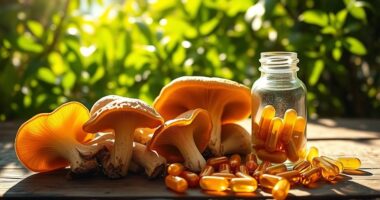
vegan anti-inflammatory supplement
As an affiliate, we earn on qualifying purchases.
As an affiliate, we earn on qualifying purchases.
Frequently Asked Questions
Can Vegans With Food Allergies Follow an Anti-Inflammatory Diet?
Yes, you can follow an anti-inflammatory vegan diet even with food allergies. Focus on food allergy management by avoiding specific triggers and choosing safe, nutrient-rich options. Incorporate plant-based alternatives like legumes, grains, and vegetables that suit your allergies. Always read labels carefully and consult a healthcare professional or dietitian to guarantee your diet reduces inflammation while accommodating your allergies. This approach helps you enjoy the benefits of an anti-inflammatory lifestyle safely.
Are Supplements Necessary for a Vegan Anti-Inflammatory Diet?
Supplements aren’t always necessary for a vegan anti-inflammatory diet if you focus on plant-based antioxidants and dietary fiber from whole foods. However, you might consider them if you have specific nutrient gaps, like B12 or omega-3s, which are harder to get from diet alone. Always consult a healthcare professional to determine if supplements are needed to support your anti-inflammatory goals, especially if you have food allergies.
How Long Does It Take to See Health Benefits?
Think of your body as a garden that’s ready to bloom. You might start noticing symptom improvements within a few weeks, but the full timeline expectations vary. Some people see benefits as early as two to four weeks, while others might need several months. Stay consistent with your vegan anti-inflammatory diet, and over time, you’ll likely feel a noticeable difference in your overall health and wellness.
Is This Diet Suitable for All Age Groups?
This diet can suit all age groups if you consider age considerations and developmental nutrition. Adjust food choices to meet specific needs, like calcium for kids or iron for teens, and consult with a healthcare professional. It offers benefits across ages by reducing inflammation and supporting overall health. Just make certain you’re providing balanced, nutrient-rich foods tailored to each age group’s requirements for ideal growth and well-being.
Can This Diet Help With Specific Chronic Conditions?
Yes, this diet can help with chronic conditions like arthritis or heart disease. Plant-based antioxidants fight inflammation and may reduce symptoms, while focusing on anti-inflammatory grains can lessen grain-based inflammation. By incorporating nutrient-dense foods, you support your body’s healing process. This approach targets the root causes of inflammation, offering potential relief and improved health outcomes for those with specific chronic conditions.
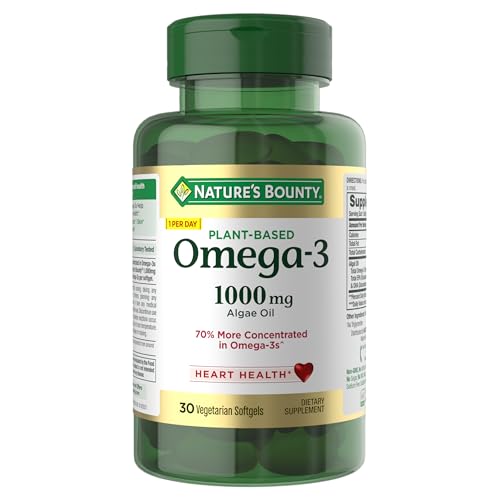
Nature's Bounty Omega 3, Plant-Based Omega 3 Fatty Acid Supplement, 520mg, Supports Whole Body Health Including Heart, Skin, Joint, 30 Vegetarian Softgels, Fish Oil Alternative
CONCENTRATED OMEGA-3 SUPPLEMENT (2) Each softgel delivers 1,000 mg of algae oil; providing 520 mg of omega-3 fatty…
As an affiliate, we earn on qualifying purchases.
As an affiliate, we earn on qualifying purchases.
Conclusion
Adopting an anti-inflammatory vegan diet can substantially boost your health, potentially reducing chronic disease risk. Did you know that plant-based diets are linked to a 24% lower risk of heart disease? By choosing nutrient-rich foods like berries, leafy greens, and nuts, you’ll support your body’s natural defenses. Staying consistent with these choices not only eases inflammation but also energizes your life. Embrace this lifestyle and enjoy the many health benefits it offers!

DelighTeas Organic Golden Milk Powder with Turmeric, Ginger, Ceylon Cinnamon | Ayurvedic Spices for Golden Turmeric Latte | Unsweetened, Vegan, Non-GMO, Keto | 120 Servings, 5 oz.
AUTHENTIC AYURVEDIC TEA & SPICE BLEND: Golden Milk, or turmeric latte, is known for its antioxidant properties. Make…
As an affiliate, we earn on qualifying purchases.
As an affiliate, we earn on qualifying purchases.
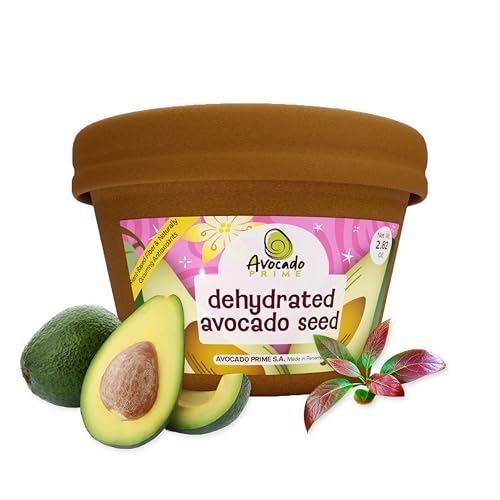
Organic Avocado Seed Powder, Fiber-Rich Superfood for Digestion, Detox & Wellness, Caffeine-Free Natural Supplement, 80gr, Aguacate Orgánico | Avocado Prime
✅ 100% Organic Avocado Seed Powder – Made from sustainably sourced avocado seeds, finely ground to preserve natural…
As an affiliate, we earn on qualifying purchases.
As an affiliate, we earn on qualifying purchases.