
Plant-based protein powders are not interchangeable: the source affects amino acid balance, allergies, taste, texture, and price. Pea and soy are two of the most common choices, and both can help people add protein without dairy. The central decision is whether you want soy’s generally more complete amino acid profile and often favorable price, or pea’s soy-free formula and suitability for people avoiding soy.

Orgain Organic Vegan Protein Powder, Vanilla Bean, 2.03 lb
- ✔ Flavor: Vanilla Bean
- ✔ Net weight: 2.03 lb
- ✔ Protein per serving: 21 g
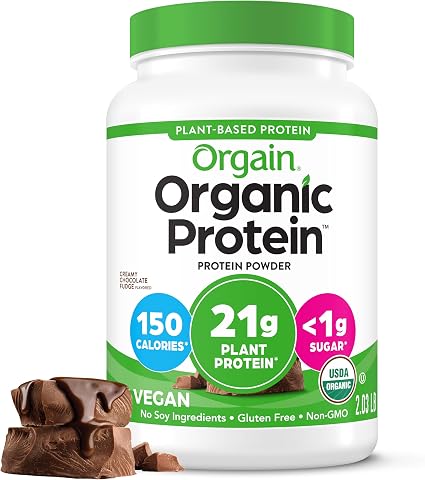
Orgain Organic Vegan Protein Powder, Creamy Chocolate Fudge, 2.03 lb
- ✔ Flavor: Creamy Chocolate Fudge
- ✔ Net weight: 2.03 lb
- ✔ Servings: 20

Orgain Organic Vegan Protein Powder with 50 Superfoods, Vanilla Bean, 2.02 lb
- ✔ Flavor: Vanilla Bean
- ✔ Container size: 2.02 lb
- ✔ Servings: 20
For many adults, either powder can contribute to daily protein intake; the rest of the diet matters too. Soy is the stronger default if you tolerate it and want a single-source plant protein with a more balanced essential amino acid profile. Pea makes more sense if soy is off the menu, or if its flavor and texture work better for you. Product formulas vary, so compare labels rather than relying on the source alone.
At a Glance
| Criteria | Pea protein powder | Soy protein powder | Winner |
|---|---|---|---|
| Protein quality | Good protein source; relatively low in methionine, so the full diet or a blend can balance amino acids. | Complete protein with all essential amino acids; methionine content is generally stronger than pea’s. | B |
| Protein per serving | Often around 20–25 g, but serving sizes and formulas vary. | Often around 20–25 g, depending on serving and product. | Tie |
| Allergy and dietary fit | Naturally soy-free and dairy-free; unsuitable for people with pea or legume allergy. | Dairy-free, but unsuitable for soy allergy; some people avoid it for personal or medical reasons. | Depends |
| Taste and texture | Often mild, though some powders taste earthy or feel chalky. | Can have a beany taste or thicker texture; flavoring and processing make a difference. | Depends |
| Price and availability | Widely available; price varies by brand and added ingredients. | Often competitively priced and broadly available, though premium products can cost more. | B |
| Formulation flexibility | Common in simple formulas and blends; check for sweeteners and additives. | Available as isolate and in blends; check ingredients and processing details. | Tie |
Orgain Organic Vegan Protein Powder, Vanilla Bean, 2.03 lb
This is our best overall choice because it keeps the formula familiar and useful across several parts of a plant-based routine. A serving supplies 21 grams of protein from organic peas, brown rice, and chia, plus 6 grams of prebiotic fiber and 1 gram of sugar. The blend provides all nine essential amino acids according to the product details, making it a practical option when we want one powder for a shake after exercise and for adding to oats or baked goods.Compared with the chocolate version, this vanilla option is the more adaptable starting point when we don’t want a cocoa flavor to shape every recipe. It has the same core protein sources and fiber amount, while the 50 Superfoods version adds more fiber and a substantial ingredient blend. That extra breadth may suit shoppers who want it, but it also makes standard vanilla the simpler everyday choice. One limitation is that the provided details do not establish how either vanilla powder tastes or mixes, so we should not assume it dissolves smoothly or works equally well in every preparation.Its combination of USDA Organic certification, vegan ingredients, and no dairy or soy ingredients gives it a clear fit for many dietary preferences. The 1 gram of sugar is also useful to know for shoppers keeping an eye on sweetness. Still, anyone avoiding chia should look elsewhere, and people seeking the highest fiber amount in this lineup should consider the superfoods formula instead.
Pros:
- 21 g protein from organic peas, brown rice, and chia
- 1 g sugar and 6 g prebiotic fiber per serving
- USDA Organic, vegan, gluten-free, kosher, and non-GMO
- Can be used in drinks, smoothies, oats, and baked goods
Cons:
- Contains chia, which may not fit every ingredient preference
- Available details do not specify flavor intensity or mixability
Best for: People who want a versatile vanilla plant protein for shakes, smoothies, oats, and baking, with a familiar protein blend and moderate prebiotic fiber.
Not ideal for: Shoppers who avoid chia, need a product with stated taste or mixability details, or specifically want the highest fiber amount in this comparison.
Bottom line: For a broadly useful plant-based protein powder, this vanilla blend has the clearest balance of protein, fiber, and recipe flexibility.
“For a broadly useful plant-based protein powder, this vanilla blend has the clearest balance of protein, fiber, and recipe flexibility.”
Orgain Organic Vegan Protein Powder, Creamy Chocolate Fudge, 2.03 lb
When chocolate is the flavor we actually want, this version brings the same core nutrition as the standard vanilla: 21 grams of plant protein and 6 grams of prebiotic fiber from organic peas, brown rice, and chia. It lists no added sugar and is made without erythritol, soy ingredients, lactose, or dairy ingredients. Those specifics make it a straightforward choice for a chocolate shake without changing the underlying protein blend.Compared with standard vanilla, the meaningful difference is how the flavor will fit our usual foods. Chocolate can be a natural match for a shake or certain baked goods, but it is less neutral when we want to stir protein into foods where cocoa would stand out. The 50 Superfoods option adds 2 more grams of prebiotic fiber and 50 organic superfoods, while this chocolate formula sticks to the shared base ingredients. That makes chocolate the more focused pick for flavor preference, not for extra ingredient variety.The product lists 20 servings per container, a useful planning detail for people choosing how often to use it. Its tradeoffs are equally specific: chocolate will not suit everyone, and the serving count may be limiting for shoppers who want a larger supply per container. The supplied information does not describe sweetness or texture, so buyers who are particular about either should avoid assuming the name guarantees a certain taste profile.
Pros:
- 21 g protein per serving from organic plant sources
- No added sugar; no erythritol, soy, lactose, or dairy ingredients listed
- 6 g prebiotic fiber per serving
- USDA Organic, vegan, gluten-free, kosher, and non-GMO
Cons:
- Chocolate flavor may be less adaptable than vanilla in some recipes
- Container lists 20 servings
Best for: People who prefer chocolate-flavored protein for shakes, smoothies, oats, or recipes where cocoa complements the other ingredients.
Not ideal for: Shoppers who need a neutral flavor for varied cooking, want more than 6 g of prebiotic fiber, or avoid chia.
Bottom line: Choose this when chocolate is a feature you want in your protein powder; otherwise, the standard vanilla offers a more flexible flavor direction.
“Choose this when chocolate is a feature you want in your protein powder; otherwise, the standard vanilla offers a more flexible flavor direction.”
Orgain Organic Vegan Protein Powder with 50 Superfoods, Vanilla Bean, 2.02 lb
This version keeps the lineup’s shared 21 grams of plant protein but adds two clear points of difference: 8 grams of prebiotic fiber and a blend of 50 organic superfoods. It also lists 1 gram of sugar per serving. For buyers who want a vanilla protein powder with a broader collection of plant ingredients, those additions make it the most specialized option in this group.Compared with standard vanilla, the superfoods formula supplies 2 additional grams of prebiotic fiber and a much wider ingredient mix. That may be appealing if we want those features in one powder, but the simpler formula is easier to assess when we prefer a shorter list of ingredients. It also has 160 calories per serving, compared with 150 listed for the chocolate version; these are different flavors and formulas, so the calorie figures are useful points of comparison rather than a direct measure of overall value.The wider blend does not change the core protein sources: organic pea, brown rice, and chia remain the base. The product is vegan and free from soy, dairy, lactose, carrageenan, artificial colors, flavors, sweeteners, and preservatives according to the supplied details. Its main drawback is that chia remains part of the formula, while the added ingredients may be unnecessary for shoppers who simply want plant protein. If we care most about uncomplicated everyday use, standard vanilla is the more direct choice.
Pros:
- 21 g protein and 8 g prebiotic fiber per serving
- Includes a blend of 50 organic superfoods
- 1 g sugar per serving
- USDA Organic, vegan, gluten-free, kosher, and non-GMO
Cons:
- Contains chia, which may not suit people avoiding that ingredient
- The broader blend may be unnecessary for buyers seeking a simple protein powder
Best for: Shoppers who want a vanilla plant protein with 8 g of prebiotic fiber and a blend of 50 organic superfoods alongside the core protein sources.
Not ideal for: People who avoid chia, prefer a simpler ingredient profile, or want the basic protein blend without added superfoods.
Bottom line: This is the lineup’s clearest fit for buyers who specifically value added fiber and a wider plant ingredient blend.
“This is the lineup’s clearest fit for buyers who specifically value added fiber and a wider plant ingredient blend.”
As an Amazon Associate we earn from qualifying purchases.
Key Differences
The clearest nutritional distinction is amino acid balance. Soy protein contains all essential amino acids in a generally well-balanced profile. Pea protein also supplies essential amino acids, but is relatively low in methionine. That does not make pea protein inadequate: overall food intake and protein across the day matter, and blends may combine sources to broaden the amino acid profile. Soy has the edge when you want one plant protein source to do more of that work by itself.
In practice, allergies, flavor, and price can outweigh the nutrition distinction. Pea is the obvious choice for someone avoiding soy, while soy is off the table for someone with a soy allergy. Neither source guarantees a pleasant shake; processing, flavoring, sweeteners, and preparation all affect the result. Compare protein per serving and cost per gram of protein, and choose a powder you can use consistently. Paying extra for a blend or flavor is only worthwhile if it solves a real preference or dietary need.
Detailed Comparison
Protein quality (Soy protein powder wins — moderate)
Soy wins by a moderate margin for amino acid balance as a single-source powder: it supplies all essential amino acids in a generally well-balanced pattern. Pea protein contributes useful protein but is relatively low in methionine. For most people eating a varied diet, that difference is manageable; a blend or complementary foods can fill the gap. If you rely heavily on powder as your main protein source, soy is the simpler one-source pick.
Protein per serving (minor difference)
This is usually a tie. Many pea and soy powders provide roughly 20–25 grams per serving, but scoop sizes and formulations differ. A larger scoop does not automatically mean a better product. Compare the actual protein amount with the calories and serving weight on the label, especially when powders contain added carbohydrates or fats.
Allergy and dietary fit (major difference)
The winner depends on what you need to avoid. Pea is the clear fit for someone avoiding soy, while soy works for someone who tolerates soy but wants to avoid pea. Both are dairy-free, but neither is universally hypoallergenic: pea is a legume, and soy is a common allergen. Read the full ingredient and allergen statements, including warnings about shared production equipment.
Taste and texture (minor difference)
There is no reliable source-wide winner. Pea powders can taste earthy or feel chalky, while soy powders can have a beany note or thicker mouthfeel. Brand, processing, flavoring, and whether you mix with water or another drink can change the experience. The gap is minor between sources and potentially major between specific products, so a small tub or sample is a sensible way to judge before buying in bulk.
Price and availability (Soy protein powder wins — minor)
Soy often wins by a minor margin on price and availability, though this varies by market and brand. Both sources are widely sold, and flavored premium products can cost more regardless of protein source. Compare cost per gram of protein rather than tub price alone. Paying extra for pea is reasonable when soy does not suit you; otherwise, a pricier product needs a clear advantage in ingredients or taste to justify the premium.
Formulation flexibility (minor difference)
This is a tie. Both appear as single-source powders, isolates, and ingredients in blends. A blend can suit shoppers who want varied plant sources or a particular texture, but the label should show how much protein each serving provides. Added flavors, gums, sweeteners, and other ingredients can affect taste and tolerance, so a longer ingredient list is not automatically an improvement.
Pea protein powder: Pros and Cons
Pros:
- Soy-free option for people who tolerate pea protein.
- Provides a substantial amount of protein in many common formulas.
- Works in simple powders and multi-source blends.
Cons:
- Relatively low in methionine compared with soy.
- Some products taste earthy or have a chalky texture.
- Not suitable for people with pea or relevant legume allergies.
Soy protein powder: Pros and Cons
Pros:
- Complete protein with a generally well-balanced essential amino acid profile.
- Often competitively priced and easy to find.
- Can serve as a straightforward single-source plant protein.
Cons:
- Unsuitable for people with a soy allergy or those who avoid soy.
- Some powders have a beany taste or thicker texture.
- Its nutritional advantage may not matter much when the wider diet already supplies varied protein.
Who Should Choose What
Choose Pea protein powder if:
- You need a soy-free protein powder and can safely eat pea.
- You have found a pea product whose flavor and texture you prefer.
- You want a dairy-free powder and have checked the label for ingredients you avoid.
Choose Soy protein powder if:
- You tolerate soy and want a single-source powder with a more balanced essential amino acid profile.
- Price and broad availability matter, and the product’s ingredients fit your needs.
- You prefer soy’s taste or texture in a specific product.
Skip both if: You are allergic to both sources, have been advised to avoid either by a clinician, or would rather meet protein needs through foods or another suitable powder.
Value for Money
Soy is often the better value when you tolerate it: it commonly costs less and offers a more balanced amino acid profile as a single source. That makes paying more for a pea powder hard to justify on nutrition alone for many shoppers. The premium can be worthwhile if soy causes an allergy or does not fit your diet, or if a specific pea product tastes better enough that you will use it regularly. Compare cost per gram of protein, then account for serving size and any ingredients you do not want. A low tub price can hide a smaller amount of protein per scoop.
Final Verdict
For someone who tolerates both, soy protein is the better default: it generally has the edge in amino acid balance and price. Choose pea protein when avoiding soy is the deciding factor, or when you prefer a particular pea product enough to use it consistently. The largest practical difference is dietary fit; the nutrition gap matters more if powder supplies a large share of your protein. Check the label, compare cost per gram, and buy according to your actual tolerance and preferences.
Frequently Asked Questions
Is pea protein as good as soy protein?
Both can contribute useful protein. Soy generally has a more balanced essential amino acid profile on its own, while pea protein is relatively low in methionine. A varied diet or protein blend can help balance sources across the day.
Which is better for building muscle?
Either can help you meet protein needs alongside a suitable training and eating routine. Compare the protein per serving, choose a powder you tolerate, and consider your total daily protein rather than relying on the source name alone.
Does pea protein contain all essential amino acids?
Pea protein contains all essential amino acids, but their proportions are not as balanced as soy’s; methionine is relatively low. That limitation does not make it unusable, especially as part of a varied diet.
Is soy protein safe for everyone?
No. People with a soy allergy need to avoid it, and individual dietary or medical advice may call for other choices. If you are unsure what is safe for you, ask a qualified health professional.