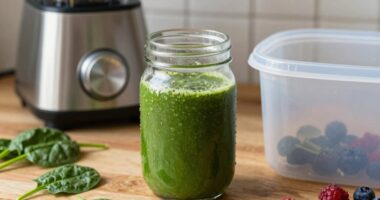

Plant foods for gut health can mean fiber-rich recipes, greens powders, or supplements with prebiotics, probiotics, and digestive enzymes. The Fiber Fueled Cookbook is my best overall pick for readers who want to build a varied plant-based eating routine, while Orgain Organic Greens Powder stands out for a convenient greens blend and Kuli Kuli Organic Gut Bliss for a focused superfood powder. The main tradeoff is between getting fiber and variety from food and choosing a quicker, more concentrated supplement format. Formulas also differ in ingredients and how many digestive-support ingredients they combine, so a longer ingredient list is not automatically a better fit. Read on for the full breakdown and help matching an option to your goals.

Get health and wellness essentials delivered free with Prime
- Fast, free delivery on millions of items
- Prime Video, Amazon Music and more included
- Member-only deals all year
Key Takeaways
- The Fiber Fueled Cookbook is the only food-first, recipe-led option in this lineup, making it the clearest choice for building regular plant variety rather than adding another capsule.
- Orgain Organic Greens Powder offers a broad greens-and-superfoods format with probiotics, while Nature Made Super Greens brings greens and probiotics into a capsule routine.
- Kuli Kuli Organic Gut Bliss and Juce Belly Bliss are powder options, but their different ingredient combinations mean shoppers should compare labels against personal sensitivities instead of treating them as interchangeable.
- Several capsule products combine ingredients such as prebiotics, probiotics, and enzymes; that convenience can suit a supplement routine, but it does not replace food-based fiber or make a formula right for everyone.
- The roundup spans recipes, greens blends, and multi-ingredient supplements, so the strongest pick depends on whether the priority is dietary variety, simple use, or a particular blend format.
| The Fiber Fueled Cookbook: Inspiring Plant-Based Recipes to Turbocharge Your Health |  | Best for Building a High-Fiber Food Routine | Format: Cookbook | Focus: Plant-based recipes | Nutrition emphasis: High-fiber foods | VIEW ON AMAZON | See Our Full Breakdown |
| Gut Health Supplement & Organic Spirulina Chlorella Bundle |  | Best for Adding Green Algae to a Multi-Ingredient Supplement | Key ingredients: Probiotics, prebiotics, enzymes, herbs, organic spirulina, and chlorella | Dietary preferences: Vegan-friendly, gluten-free, and non-GMO | Manufacturing: Made in the USA | VIEW ON AMAZON | See Our Full Breakdown |
| Kuli Kuli Organic Gut Bliss Superfood Powder |  | Best Plant-Based Powder for Easy Food and Drink Add-Ins | Brand: Kuli Kuli | Ingredients: Organic moringa, baobab, lucuma, ginger, and lemon balm | Dietary information: USDA Organic, vegan, and caffeine-free | VIEW ON AMAZON | See Our Full Breakdown |
| Zenwise Digestive Enzymes with Probiotics & Prebiotics, 48 Count |  | Best for a Three-Part Capsule Formula | Count: 48 capsules | Stated supply: 30 days | Dosage: 2 capsules per day | VIEW ON AMAZON | See Our Full Breakdown |
| MaryRuth’s Gut Flora Health+ Enzymes, 60 Capsules |  | Best for Allergen-Aware Supplement Shoppers | Quantity: 60 capsules | Key ingredients: Prebiotics, multiple probiotic strains, and a proprietary enzyme blend | Dietary preferences: Vegan, dairy-free, nut-free, gluten-free, and sugar-free | VIEW ON AMAZON | See Our Full Breakdown |
| Nature Made Super Greens with Probiotic Capsules, 75 Capsules |  | Best for Travel and Routine Simplicity | Quantity: 75 capsules | Probiotics: 2 billion CFU per serving | Vegetable ingredients: Spinach, kale, and broccoli | VIEW ON AMAZON | See Our Full Breakdown |
| Orgain Organic Greens Powder, 50 Superfoods + Probiotics, Original, 0.62 lb |  | Best for Fiber and Ingredient Variety | Net weight: 0.62 lb | Superfood ingredients: 50 | Probiotics: 1 billion CFU per serving | VIEW ON AMAZON | See Our Full Breakdown |
| Gut Health Relief Support, Plant-Based Blend, Supports Daily Wellness & Balance – 60 Capsules |  | Best for a Basic Plant-Based Capsule Format | Quantity: 60 capsules | Form: Capsules | Product type: Dietary supplement | VIEW ON AMAZON | See Our Full Breakdown |
| Juce Belly Bliss Organic Superfood Powder with Probiotics & Enzymes, 30 Servings | 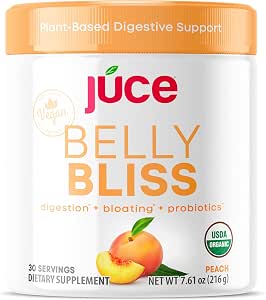 | Best Organic Powder for Flavor and Digestive Components | Servings: 30 | Flavor: Peachy Greens | Superfood ingredients: 65 | VIEW ON AMAZON | See Our Full Breakdown |
| 4-in-1 Gut Health Supplement – Prebiotics, Probiotics, Digestive Enzymes |  | Best Multi-Component Capsule Formula | Quantity: 30 capsules | Form: Capsules | Probiotic strain: DE111 (Bacillus subtilis) | VIEW ON AMAZON | See Our Full Breakdown |
| plant foods gut health | ASIN | Form |
|---|---|---|
| The Fiber Fueled Cookbook: Ins | 0593418778 | — |
| Gut Health Supplement & Organi | B0F55TKHBB | — |
| Kuli Kuli Organic Gut Bliss Su | B0BBPT4C11 | — |
| Zenwise Digestive Enzymes with | B0CMMN6WJ6 | — |
| MaryRuth’s Gut Flora Health+ E | B09B2M34C1 | — |
| Nature Made Super Greens with | — | Capsules |
| Orgain Organic Greens Powder | — | Powder |
| Gut Health Relief Support | — | Capsules |
| Juce Belly Bliss Organic Super | — | Powder |
| 4-in-1 Gut Health Supplement | — | Capsules |
More Details on Our Top Picks
The Fiber Fueled Cookbook: Inspiring Plant-Based Recipes to Turbocharge Your Health
For readers who want to support gut health through meals, this cookbook puts plant-based, high-fiber recipes ahead of capsules and powders. Its whole-food focus makes it a different kind of pick from Kuli Kuli Organic Gut Bliss Superfood Powder: the powder offers a quick add-in, while this book is better suited to people ready to make fiber-rich dishes part of regular meals. That approach can help readers add variety to their plates, though the product details do not specify recipe count, preparation time, or dietary adaptations. Compared with supplements such as MaryRuth’s Gut Flora Health+ Enzymes, it does not offer a measured probiotic or enzyme formula; its value is in recipe inspiration, not a guaranteed digestive effect. Choose it if cooking is how you prefer to explore plant foods, and skip it if you need a fast, ready-to-take option.
Pros:- Centers plant-based, high-fiber nutrition
- Offers varied recipe inspiration rather than another pill or powder
- Whole-food approach can help readers build fiber into meals
Cons:- Recipe count, preparation demands, and dietary adaptations are not specified
- Does not provide a standardized probiotic or enzyme dose
- Recipe complexity and flavor suitability cannot be judged from the available details
Best for: Home cooks looking for plant-based, high-fiber recipe inspiration to broaden their everyday meals
Not ideal for: People who want a ready-to-use supplement, or who need detailed recipe and preparation information before buying
- Format:Cookbook
- Focus:Plant-based recipes
- Nutrition emphasis:High-fiber foods
- Intended use:Recipe inspiration for health-focused cooking
- Product title:The Fiber Fueled Cookbook: Inspiring Plant-Based Recipes to Turbocharge Your Health
- ASIN:0593418778
Our verdict“Choose this cookbook if you want plant-based, high-fiber meals to anchor your gut-health routine rather than relying on a supplement.”
Gut Health Supplement & Organic Spirulina Chlorella Bundle
This bundle is the broadest ingredient mix in this group, combining probiotics, prebiotics, enzymes, herbs, spirulina, and chlorella. That makes it more supplement-focused than The Fiber Fueled Cookbook, which supports a food-first approach, and more algae-specific than Kuli Kuli Organic Gut Bliss Superfood Powder, whose listed blend centers on five plant ingredients. The vegan-friendly, gluten-free, and non-GMO attributes may suit shoppers with common dietary preferences, while U.S. manufacture and GMP certification add manufacturing details absent from the supplied data for several alternatives. But the description gives no serving size or ingredient amounts, so it is hard to judge how much of each component a buyer receives. Herbal ingredients may also be a poor fit for people with sensitivities. I would choose it only if the full label answers those questions.
Pros:- Combines probiotics, prebiotics, enzymes, herbs, spirulina, and chlorella
- Vegan-friendly, gluten-free, and non-GMO
- Made in the USA and GMP-certified
- Adds organic algae, unlike the recipe-based Fiber Fueled Cookbook
Cons:- Serving size and ingredient amounts are not provided
- Herbal ingredients may not suit people with sensitivities
- Health claims are not evaluated by the FDA
Best for: Supplement shoppers who want probiotics, prebiotics, enzymes, and algae in one vegan-friendly product and can check the full label
Not ideal for: People with sensitivity to herbs or algae, or buyers who need clear serving amounts before choosing a supplement
- Key ingredients:Probiotics, prebiotics, enzymes, herbs, organic spirulina, and chlorella
- Dietary preferences:Vegan-friendly, gluten-free, and non-GMO
- Manufacturing:Made in the USA
- Quality standard:GMP-certified
- Format:Supplement bundle
- ASIN:B0F55TKHBB
Our verdict“Pick this bundle if you want an algae-inclusive, multi-ingredient supplement and are comfortable verifying its full dosage and label details.”
Kuli Kuli Organic Gut Bliss Superfood Powder
Kuli Kuli is the clearest fit for a food-style powder routine: stir two rounded teaspoons into a drink or food, with no blender required. Its five-ingredient blend—moringa, baobab, lucuma, ginger, and lemon balm—sets it apart from the broader algae-and-herb mix in the Gut Health Supplement & Organic Spirulina Chlorella Bundle. It is also simpler to fold into meals than taking capsules such as Zenwise Digestive Enzymes with Probiotics & Prebiotics, though it does not list probiotics or enzymes. USDA Organic certification, third-party testing, and a caffeine-free, vegan formula are useful distinctions for ingredient-conscious shoppers. The tradeoff is flavor: some people may want fruit to mask it, and the description recommends physician consultation for pregnant users. This is a plant-food add-in, not a substitute for a clearly dosed probiotic formula.
Pros:- Five-ingredient plant blend featuring moringa, baobab, lucuma, ginger, and lemon balm
- USDA Organic, vegan, and caffeine-free
- Stirs into food or liquid without a blender
- Third-party tested and made by a women-owned Certified B Corporation
Cons:- Flavor may need masking with fruit
- Does not list probiotics or digestive enzymes, unlike Zenwise
- Physician consultation is recommended for pregnant users
Best for: People who want a caffeine-free, organic plant powder they can stir into smoothies, yogurt, water, or other foods
Not ideal for: Buyers seeking probiotics or digestive enzymes in the product, or anyone unwilling to mask a flavor they may find strong
- Brand:Kuli Kuli
- Ingredients:Organic moringa, baobab, lucuma, ginger, and lemon balm
- Dietary information:USDA Organic, vegan, and caffeine-free
- Other formulation details:No artificial sweeteners or fillers
- Testing:Third-party tested
- Usage:Stir 2 rounded teaspoons into liquid or food
- Company certification:Certified B Corporation
- ASIN:B0BBPT4C11
Our verdict“Choose Kuli Kuli if you want an organic plant powder that is easy to add to food, not a capsule-based probiotic or enzyme product.”
Zenwise Digestive Enzymes with Probiotics & Prebiotics, 48 Count
Zenwise combines enzymes, probiotics, and prebiotics in a capsule routine aimed at digestive discomfort, with bromelain and papaya among its listed ingredients. That gives it a more targeted supplement profile than Kuli Kuli Organic Gut Bliss Superfood Powder, which is easier to mix into food but does not list probiotics or enzymes. Its stated two-capsule daily use is also more explicit than the Gut Health Supplement & Organic Spirulina Chlorella Bundle, whose serving size is not provided. The 48-capsule count and 30-day supply do not align neatly with two capsules daily, so buyers may want to verify the package directions and supply claim. Plant-based and vegetarian labeling is a plus, but people with enzyme allergies should check the ingredient list. This is for capsule users, not shoppers seeking whole-food fiber.
Pros:- Combines digestive enzymes, probiotics, and prebiotics
- Includes bromelain and papaya in a plant-based, vegetarian formula
- States a daily dosage of two capsules
- Targets bloating and gas rather than serving as a general greens powder
Cons:- Daily use requires two capsules
- May not suit people with specific enzyme allergies
- The stated 48-capsule count and 30-day supply appear inconsistent with two capsules per day
Best for: Vegetarian supplement users who want a defined daily capsule routine combining digestive enzymes, probiotics, and prebiotics
Not ideal for: People with sensitivities to bromelain, papaya, or other enzymes, or those who prefer gut-health support through plant foods
- Count:48 capsules
- Stated supply:30 days
- Dosage:2 capsules per day
- Key ingredients:Bromelain, papaya, probiotics, and prebiotics
- Dietary information:Plant-based and vegetarian
- Format:Capsules
- ASIN:B0CMMN6WJ6
Our verdict“Choose Zenwise if you want an explicitly described, three-part capsule formula and can confirm the serving directions suit you.”
MaryRuth’s Gut Flora Health+ Enzymes, 60 Capsules
MaryRuth’s stands out for its dietary exclusions and credentials: it is listed as vegan, dairy-free, nut-free, gluten-free, sugar-free, non-GMO Project Verified, and Clean Label Project Certified. Its blend includes prebiotics, multiple probiotic strains, and a proprietary enzyme blend, putting it closer to Zenwise Digestive Enzymes with Probiotics & Prebiotics than to plant powders such as Kuli Kuli Organic Gut Bliss Superfood Powder. One capsule up to twice daily offers flexibility that Zenwise’s stated two-capsule daily regimen does not, although MaryRuth’s directions specify taking it preferably on an empty stomach. The proprietary blend means the supplied details do not reveal individual enzyme amounts, and capsule size may be an issue for some people. It suits shoppers who prioritize dietary compatibility and certifications, but not those who prefer transparent per-ingredient quantities or food-first fiber.
Pros:- Combines prebiotics, multiple probiotic strains, and an enzyme blend
- Vegan and free from dairy, nuts, gluten, and sugar
- Clean Label Project Certified and Non-GMO Project Verified
- Flexible directions of one capsule up to twice daily
Cons:- Proprietary enzyme blend does not provide specific ingredient amounts in the supplied data
- Capsules may be large for some users
- Directions recommend taking it on an empty stomach, which may not fit every routine
Best for: Vegan supplement buyers avoiding dairy, nuts, gluten, and sugar who value third-party and non-GMO certifications
Not ideal for: People who struggle with larger capsules, want ingredient-by-ingredient blend amounts, or prefer a food-based approach like the Fiber Fueled Cookbook
- Quantity:60 capsules
- Key ingredients:Prebiotics, multiple probiotic strains, and a proprietary enzyme blend
- Dietary preferences:Vegan, dairy-free, nut-free, gluten-free, and sugar-free
- Certifications:Clean Label Project Certified, B Corp Certified, and Non-GMO Project Verified
- Usage:Take 1 capsule up to 2 times daily
- Timing:Preferably on an empty stomach
- Format:Capsules
- ASIN:B09B2M34C1
Our verdict“Pick MaryRuth’s if dietary exclusions and product certifications matter more to you than disclosed enzyme amounts or a food-first source of fiber.”
Nature Made Super Greens with Probiotic Capsules, 75 Capsules
Nature Made Super Greens pairs 2 billion CFU of probiotics per serving with a serving’s worth of vegetables drawn from spinach, kale, and broccoli, plus 12 vitamins and minerals. That combination makes it a practical fit for someone who wants a compact supplement rather than a greens drink to mix. Compared with Orgain Organic Greens Powder, it avoids an earthy drink and needs no preparation, but it offers less clearly stated fiber and a shorter ingredient description. The tradeoff is a three-capsule daily serving, and added nutrients may duplicate what you already get from food or other supplements. Its gluten-free, no-refrigeration format suits travel, though the product notes that probiotic potency can vary with storage conditions.
Pros:- Combines 2 billion CFU of probiotics per serving with vegetable ingredients.
- Includes spinach, kale, and broccoli alongside 12 vitamins and minerals.
- Gluten-free and does not require refrigeration.
- Capsule format avoids mixing or drinking an earthy-tasting greens powder.
Cons:- Requires three capsules per daily serving.
- Probiotic potency may vary with storage conditions.
- Added vitamins and minerals may be unnecessary for people whose diets or supplements already cover them.
Best for: Travelers and busy adults who prefer capsules to mixing a greens powder and want probiotics alongside vegetable ingredients.
Not ideal for: People who dislike taking several capsules daily, need a clearly specified fiber amount, or want to avoid supplemental vitamins and minerals.
- Quantity:75 capsules
- Probiotics:2 billion CFU per serving
- Vegetable ingredients:Spinach, kale, and broccoli
- Vitamins and minerals:12 key nutrients
- Form:Capsules
- Gluten-free:Yes
- Refrigeration:Not required
Our verdict“Choose this for a travel-friendly capsule routine that combines probiotics and vegetables, but skip it if you want fiber clearly quantified or fewer daily pills.”
Orgain Organic Greens Powder, 50 Superfoods + Probiotics, Original, 0.62 lb
Orgain Organic Greens Powder stands out for the clearest plant-and-fiber focus in this group: each serving provides 7 g of fiber, 1 billion probiotics, and a blend of 50 organic superfoods spanning greens, fruits, vegetables, and grains. That makes it a more food-oriented option than Nature Made Super Greens, whose capsule formula includes vegetables and added vitamins but does not specify a fiber amount. Orgain also gives buyers flexibility to mix it with water, juice, or a smoothie. The tradeoff is that it requires a drink-making step, and its unsweetened flavor may come across as earthy. Its vegan, gluten-free, non-GMO formula avoids several common allergens and artificial additives, but the broad blend may be less appealing to someone seeking a short, transparent ingredient list.
Pros:- Provides 7 g of fiber and 1 billion CFU of probiotics per serving.
- Blends 50 organic greens, fruits, vegetables, and grains.
- Vegan, gluten-free, and non-GMO.
- Can be mixed with water, juice, or smoothies.
Cons:- Unsweetened flavor may be earthy for some people.
- Requires mixing, unlike Nature Made Super Greens capsules.
- The 50-ingredient blend may not suit buyers seeking a short ingredient list.
Best for: Plant-forward eaters who want a mixable greens supplement with a stated fiber amount and broad organic ingredient variety.
Not ideal for: People who prefer tasteless capsules, dislike earthy unsweetened drinks, or want a simpler formula with fewer ingredients.
- Net weight:0.62 lb
- Superfood ingredients:50
- Probiotics:1 billion CFU per serving
- Fiber:7 g per serving
- Form:Powder
- Vegan:Yes
- Gluten-free:Yes
- Non-GMO:Yes
Our verdict“Pick Orgain if fiber and broad plant variety matter more than capsule convenience or a mild, sweet flavor.”
Gut Health Relief Support, Plant-Based Blend, Supports Daily Wellness & Balance – 60 Capsules
Gut Health Relief Support is the simplest capsule-format entry here: it is plant-based, designed for daily wellness, and comes in a 60-capsule bottle. That may suit buyers who want to avoid powders such as Juce Belly Bliss and its daily mixing routine. But simplicity cuts both ways. The available product information does not identify specific plants, probiotic strains, fiber, or active amounts, so it is difficult to judge how its gut-health approach compares with Orgain’s stated fiber and probiotic quantities or Nature Made’s named vegetables and CFU count. I would treat that lack of formula detail as its main drawback, not assume the broad wellness language signals a particular benefit. Choose it only if the capsule format is your priority and you are comfortable with limited ingredient information.
Pros:- Plant-based capsule format.
- Designed for daily use.
- Avoids the mixing routine required by Juce Belly Bliss powder.
- Bottle contains 60 capsules.
Cons:- Available details do not specify the plant ingredients or active amounts.
- No disclosed probiotic strain, CFU count, or fiber quantity to compare with Orgain.
- Broad gut-health claims make it hard to assess how the formula fits a specific dietary goal.
Best for: Capsule-preferring buyers seeking a plant-based daily supplement who are comfortable checking the label for ingredient details before purchase.
Not ideal for: Shoppers who want named ingredients, disclosed probiotic amounts, or a stated fiber level to compare gut-health formulas.
- Quantity:60 capsules
- Form:Capsules
- Product type:Dietary supplement
- Formula type:Plant-based blend
- Intended purpose:Gut health and wellness
- Use:Daily
Our verdict“Consider this if plant-based capsules are your priority, but choose a more fully specified formula if you want to compare ingredients and amounts.”
Juce Belly Bliss Organic Superfood Powder with Probiotics & Enzymes, 30 Servings
Juce Belly Bliss combines 65 organic superfood ingredients with probiotics and digestive enzymes in a Peachy Greens powder, giving it a broader mix of digestive components than Orgain’s listed probiotics and fiber. Its USDA Organic certification and vegan, dairy-free, gluten-free, and soy-free profile may appeal to shoppers managing several dietary preferences. Unlike Nature Made Super Greens, this is a drink to prepare, not a grab-and-go capsule; the flavor may make a daily greens routine more approachable, while mixing adds a step. The product description also mentions reducing bloating, but it does not provide a probiotic amount or fiber quantity here, so buyers cannot compare those measures directly with Orgain. I’d choose it for organic ingredient breadth and enzymes, not for the most measurable gut-health formulation.
Pros:- Includes 65 organic superfood ingredients, probiotics, and digestive enzymes.
- USDA Organic certified.
- Vegan and free from dairy, gluten, and soy.
- Peachy Greens flavor offers an alternative to Orgain’s unsweetened powder.
Cons:- Requires daily mixing with water.
- The provided product details do not state probiotic quantity or fiber per serving.
- A broad 65-ingredient blend may be harder to evaluate than a formula with individually quantified components.
Best for: People who want an organic, flavored greens powder with probiotics and digestive enzymes and need to avoid dairy, gluten, or soy.
Not ideal for: Capsule-preferring buyers or shoppers who need a stated probiotic count and fiber amount before choosing a gut-health supplement.
- Servings:30
- Flavor:Peachy Greens
- Superfood ingredients:65
- Certification:USDA Organic
- Form:Powder
- Vegan:Yes
- Dairy-free:Yes
- Gluten-free:Yes
- Soy-free:Yes
Our verdict“Choose Juce Belly Bliss for a flavored organic powder with enzymes and a wide dietary-exclusion profile, but look elsewhere if quantified fiber or probiotic levels are your priority.”
4-in-1 Gut Health Supplement – Prebiotics, Probiotics, Digestive Enzymes
4-in-1 Gut Health Supplement takes a different route from the greens-focused powders: it combines prebiotics, probiotics, postbiotics, and digestive enzymes in a shelf-stable capsule. That makes it the most explicitly multi-component digestive formula in this batch, while Orgain Organic Greens Powder puts more emphasis on food ingredients and a quantified 7 g of fiber. The listed probiotic strain, DE111 (Bacillus subtilis), gives buyers a specific strain to check against their preferences, but no CFU count or amounts for the other components are supplied here. Its 30-capsule bottle and shelf-stable format favor a compact daily routine, though the product notes that consistent use may be needed and that the capsules may feel large. It is not a substitute for the plant variety or fiber found in a greens powder.
Pros:- Combines prebiotics, probiotics, postbiotics, and digestive enzymes.
- Names the probiotic strain as DE111 (Bacillus subtilis).
- Shelf-stable format suits travel and avoids refrigeration.
- GMP certified and non-GMO.
Cons:- The provided details do not state CFU count or amounts for the formula components.
- Capsules may be large for some users.
- Consistent daily use may be needed, and it does not offer the plant variety or stated fiber of Orgain.
Best for: Adults seeking one shelf-stable capsule formula that combines prebiotics, a named probiotic strain, postbiotics, and digestive enzymes.
Not ideal for: People focused on whole-plant variety or a clearly quantified fiber serving, or anyone who struggles with larger capsules.
- Quantity:30 capsules
- Form:Capsules
- Probiotic strain:DE111 (Bacillus subtilis)
- Formula components:Prebiotics, probiotics, postbiotics, and digestive enzymes
- Shelf-stable:Yes
- Made in:USA
- GMP certified:Yes
- Non-GMO:Yes
Our verdict“Choose this for a shelf-stable, multi-component capsule approach, but pick a greens powder if plant diversity and measured fiber are the main goals.”

How We Picked
I compared these ten options by their role in a plant-forward gut health routine: whether they support everyday food variety, offer a greens or superfood blend, or combine supplement ingredients such as probiotics, prebiotics, and enzymes. I also weighed format and usability—recipe book versus powder versus capsules—because a potentially useful product matters only if it fits the way someone eats and maintains a routine. Ingredient transparency, dietary fit, serving format, and the likelihood of overlap with other supplements shaped the comparison.
The ranking favors options with a clear use case and a practical path to consistent use, rather than assuming that more ingredients mean better results. The cookbook leads for its food-first approach; powder and capsule picks follow for readers who prioritize convenience or a concentrated blend. Products with overlapping supplement features rank lower when their distinct advantage is less apparent from the supplied product details. These are different kinds of options, not interchangeable treatments, and the lineup does not establish that any product prevents or treats a medical condition.
Factors to Consider When Choosing Plant Foods Gut Health
Before choosing a plant-forward gut health product, decide what role you want it to play. A recipe resource, a greens drink, and a multi-ingredient capsule solve different routine problems, and comparing them as if they were the same category can lead to a poor fit.
Decide Whether You Need Food Variety or Supplement Convenience
Start by identifying the gap in your routine: limited plant variety, difficulty preparing vegetables, or a preference for a compact supplement. A cookbook supports meal planning and lets you get fiber from whole ingredients, while a powder or capsule is easier to add to an existing schedule. A common mistake is expecting a supplement to stand in for the range of foods in a varied diet. If you choose a powder, check whether it complements meals or simply duplicates ingredients you already consume. If you choose recipes, think about whether you have time and access to the ingredients. Match the format to the habit you can sustain, not the one that sounds most ambitious.
Read the Ingredient Label for Your Personal Fit
Products grouped under gut health can contain very different ingredients, even when their names sound similar. Check the full label for the specific plant ingredients, probiotic strains or amounts, prebiotic sources, enzymes, and other added components rather than relying on front-label language. If you have known food sensitivities, allergies, or dietary restrictions, verify the ingredient and allergen statements before buying. Combining several products can also duplicate ingredients, so compare labels across your current supplements. A longer list does not guarantee a better match; it may simply make it harder to identify what agrees with you. When a label omits details you need, ask the manufacturer or choose a product with clearer information.
Choose Powder or Capsules Based on Routine, Not Claims
Powders can be mixed into drinks or foods, but their flavor, texture, and mixing requirements affect whether they become a regular habit. Capsules avoid taste and preparation, although they may be inconvenient for people who dislike swallowing pills or prefer to limit supplements. Consider where and when you will use the product, including whether you need portability or a consistent place in a daily routine. Do not assume that a greens powder provides the same fiber as a serving of whole vegetables; check the nutrition panel. Likewise, capsule blends are not meal replacements. The best format is the one that fits your day without crowding out varied meals.
Look for a Clear Reason to Pay More
A higher-cost product is easier to justify when it offers a meaningful advantage for your needs, such as a well-detailed formula, a format you will use consistently, or a useful resource that changes how you plan meals. Brand language about broad benefits is not enough on its own. Compare serving directions, package size, ingredient disclosure, and any third-party testing information the manufacturer provides. Avoid paying for overlapping blends if you already take products with similar ingredients. For a food-first shopper, a recipe book may deliver more practical value than another greens supplement; for someone seeking portability, capsules may be the better fit. Judge value by routine fit and label clarity, not by the number of ingredients.
Set Sensible Expectations and Track Changes Carefully
Plant foods and supplements affect people differently, and a product label cannot predict an individual response. Adding several new foods or supplements at once makes it difficult to identify what caused a change, so introduce one new item at a time when practical. Follow the package directions and stop use if you experience a concerning reaction. People with ongoing digestive symptoms, medical conditions, pregnancy, or medications that may interact with supplements should consult a qualified health professional before starting a new product. Treat a supplement as one part of a broader eating pattern, not as a substitute for medical advice or a varied diet. A simple note of what you add and how you feel can help guide a more informed next choice.
Frequently Asked Questions
Should I choose a cookbook or a gut health supplement first?
Choose based on the gap you are trying to address. If you want more meal ideas and plant variety, The Fiber Fueled Cookbook is the most direct food-first option in this roundup. If meal planning is already working and you prefer a compact product, compare the powders and capsules by their ingredient labels and format. A supplement does not replace the fiber and variety found in whole foods. If you have ongoing symptoms or a medical condition, speak with a health professional before using a supplement to address them.
How do I choose between a greens powder and a capsule?
A powder may suit you if you are comfortable mixing a product into a drink or food and want a greens-blend format. A capsule can be easier to carry and avoids taste, but it may contain a different mix or amount of ingredients than a powder. Compare the nutrition and supplement facts panels rather than assuming the formats provide equivalent benefits. Also consider the routine you can maintain; a product left unused is poor value regardless of its format. Neither format should be treated as a replacement for meals built from a range of plants.
Can I take a greens powder and a probiotic capsule together?
Possibly, but check both labels before combining them because the products may contain overlapping probiotics, prebiotics, enzymes, or other ingredients. Taking multiple blends at once can make it harder to tell which product agrees with you. Start by considering whether each item fills a distinct need in your routine rather than stacking products because their labels share a gut health claim. Ask a health professional or pharmacist about possible interactions if you take medication, have a health condition, or are unsure about an ingredient. Follow each product’s directions and do not exceed them.
Are products labeled for gut health suitable for sensitive digestion?
Not necessarily; the phrase gut health does not mean a formula will suit every digestive system. Powders and capsules can contain several ingredients, and some people may not tolerate particular components. Read the full ingredient list and allergen information, and avoid any ingredient you already know causes a reaction. If you choose to try a new product, introducing one change at a time can make your response easier to interpret. For persistent or severe symptoms, seek medical advice instead of relying on a supplement label.
What makes the cookbook a better fit than a multi-ingredient supplement?
The cookbook is a better fit for someone who wants practical ways to incorporate plant-based meals and build variety through food. A multi-ingredient supplement is more convenient for someone who prefers a capsule routine or a concentrated blend, but it does not teach meal planning or provide a meal. This roundup cannot establish that either approach will produce a particular health outcome, so the choice should reflect your eating habits and needs. If you have limited time to cook, convenience may matter more; if your meals lack variety, recipes may address the underlying routine more directly. You can also ask a registered dietitian for help tailoring food choices to your circumstances.
Conclusion
Best overall: I recommend The Fiber Fueled Cookbook for readers seeking a food-first way to bring more plant variety into their routine. Best value for a greens-powder routine: Orgain Organic Greens Powder is the standout broad-blend format in this group, while best for beginners is the cookbook for anyone who wants meal ideas before adding several supplements. Best premium-style choice: compare Juce Belly Bliss and Kuli Kuli Organic Gut Bliss by their ingredient labels and the powder format you are most likely to use; the supplied details do not establish a universal winner. For capsule convenience, consider Nature Made Super Greens or one of the combined enzyme-and-probiotic formulas, choosing by label fit rather than ingredient count. If you have specific sensitivities or ongoing symptoms, prioritize professional guidance over trying multiple blends.
Cold & flu season Picks
humidifiers
As an affiliate, we earn on qualifying purchases.