
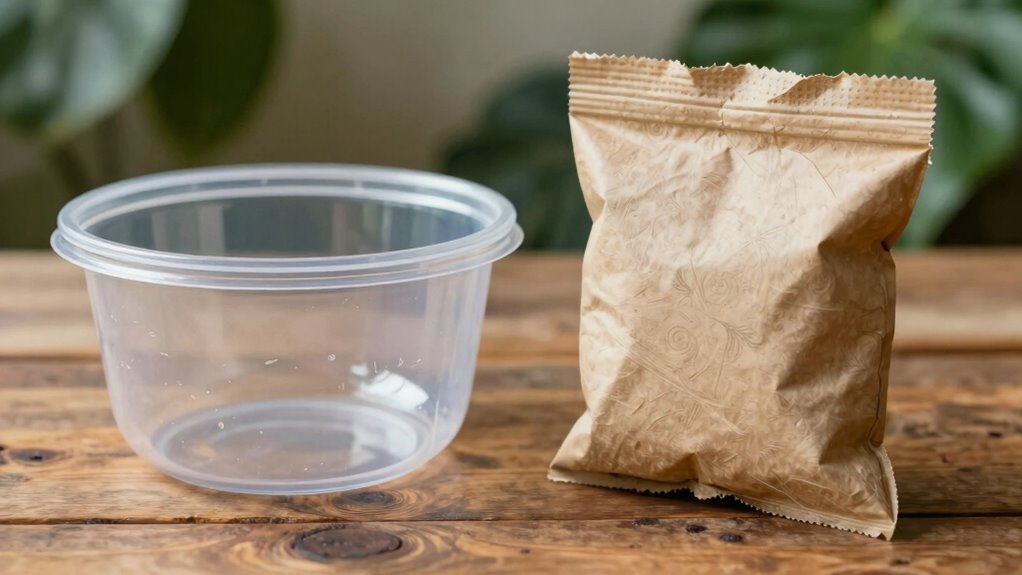

The key difference between compostable and biodegradable packaging is that compostable materials break down into nutrient-rich compost under specific conditions, while biodegradable items naturally decompose over time, but may leave residues or microplastics. Compostable packaging needs industrial or home composting setups to fully break down, whereas biodegradable packaging can break down in various environments but may not always produce beneficial byproducts. Understanding these distinctions helps you make smarter eco-friendly choices—there’s more to uncover if you keep exploring.

Get health and wellness essentials delivered free with Prime
- Fast, free delivery on millions of items
- Prime Video, Amazon Music and more included
- Member-only deals all year
Key Takeaways
- Compostable packaging breaks down into nutrient-rich compost in specific conditions, while biodegradable packaging may degrade more slowly and incompletely.
- Compostable materials require industrial or home composting environments, unlike biodegradable options that can break down in various settings.
- Not all biodegradable packaging is environmentally friendly; some may leave microplastics or residues.
- Proper disposal is crucial; compostable packaging must be composted correctly to realize environmental benefits.
- The main difference lies in decomposition process and end-products: compostable yields useful compost, biodegradable may leave fragments.
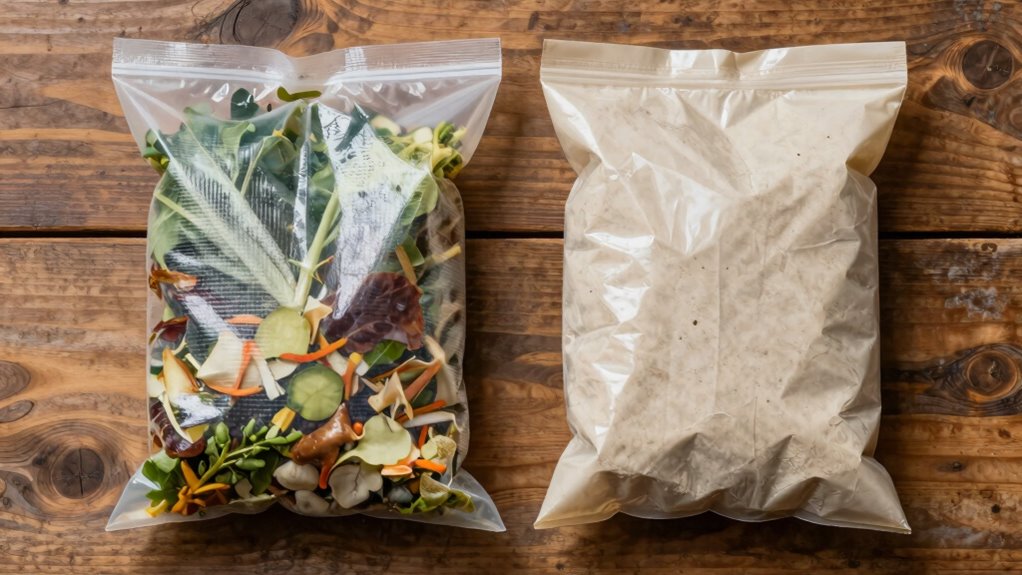
Have you ever wondered what truly makes packaging eco-friendly? It’s a great question because not all green-sounding options are created equal. When choosing between compostable and biodegradable packaging, understanding what makes each one environmentally friendly is key. At the heart of it, eco friendly materials play a significant role. These materials are designed to break down naturally without leaving harmful residues. Compostable packaging, for example, is made from organic materials like cornstarch or sugarcane, which can decompose into nutrient-rich compost when managed properly. Biodegradable packaging, on the other hand, is crafted from substances that can break down over time through natural processes, but the specifics of how quickly and completely they do so can vary widely.
Eco-friendly packaging relies on materials that break down naturally without harmful residues, supporting a healthier environment.
Recycling processes are also essential in determining the environmental impact of these materials. Compostable packaging is intended to be composted in industrial facilities or home compost bins, where microbes break down the material into compost that can nourish soil. This process requires specific conditions, such as the right temperature and humidity, which are typically provided in composting facilities. If compostable items end up in regular trash or recycling bins, they often don’t break down as intended, potentially contaminating recycling streams or ending up in landfills. Conversely, biodegradable packaging is often designed to break down naturally in various environments, including soil or water, but it doesn’t necessarily turn into compost. Its decomposition might be slower or less controlled, and in some cases, it can leave microplastics or other residues if not properly formulated. Understanding the differences in decomposition helps clarify their environmental roles and limitations.
The key difference lies in the intended end-of-life process. Compostable packaging is meant to return to the earth as compost, enriching soil and supporting plant growth. Biodegradable packaging, while it does break down, might not produce useful byproducts and can sometimes linger longer or leave behind fragments. When you’re considering eco-friendly options, it’s essential to look beyond just the materials used and understand the recycling processes involved. Proper disposal methods, local composting capabilities, and the specific guarantees a product offers all influence its overall environmental footprint.
In the end, choosing between compostable and biodegradable packaging depends on your goals and the systems available in your area. Recognizing the importance of eco friendly materials and how recycling processes work helps you make smarter, greener decisions. It’s about selecting packaging that doesn’t just sound good but truly contributes to reducing waste and protecting the environment. Understanding the recycling processes involved can greatly influence the effectiveness of eco-friendly packaging choices.
As an affiliate, we earn on qualifying purchases.
Frequently Asked Questions
Can Biodegradable Packaging Harm the Environment During Decomposition?
Biodegradable packaging can harm the environment if the decomposition process releases harmful substances or takes too long, allowing waste to accumulate. During decomposition, it might produce methane, a potent greenhouse gas, especially in landfills with limited oxygen. To minimize environmental impact, it’s crucial to guarantee that biodegradable packaging is properly managed and decomposes in controlled conditions, reducing pollution and supporting sustainability efforts.
How Long Does Compostable Packaging Take to Break Down?
Like the fleeting bloom of a spring flower, compostable packaging typically breaks down within 90 to 180 days, depending on conditions. This decomposition timeline minimizes environmental impact, turning waste into nourishing compost without leaving harmful residues. You can trust that compostable packaging, when managed properly, supports a healthier planet by returning to the earth swiftly, unlike traditional plastics that linger for centuries.
Are All Compostable Products Suitable for Industrial Composting?
Not all compostable products are suitable for industrial composting. You need to check if they meet specific composting standards, which guarantee proper breakdown in commercial facilities. Some items might require industrial composting due to temperature or process needs, while others are designed for home composting. Always follow product disposal methods carefully, as improper disposal can hinder the composting process and reduce environmental benefits.
What Are the Common Misconceptions About Biodegradable Packaging?
You might think all biodegradable packaging decomposes quickly, but that’s a misconception. Plant-based materials can have varied decomposition rates depending on environmental conditions. Some break down rapidly, while others take years, leading to confusion. You should recognize that not all biodegradable products are eco-friendly if they take too long to decompose or release harmful substances. Proper disposal and understanding the material’s properties are essential for minimizing environmental impact.
Is Biodegradable Packaging Safe for Food Contact Applications?
Is biodegradable packaging safe for food contact applications? Absolutely, but you need to choose materials wisely. Think of it as a delicate dance—material stability is key to maintaining food safety. When made from approved, food-grade biodegradable substances, it’s safe and eco-friendly. Always verify certifications and labeling to guarantee the packaging meets safety standards. Properly selected biodegradable packaging offers both environmental benefits and peace of mind for food contact use.
As an affiliate, we earn on qualifying purchases.
Conclusion
Understanding the difference between compostable and biodegradable packaging helps you make eco-friendly choices. For instance, imagine choosing a compostable coffee cup that breaks down in your home compost within months, versus a biodegradable one that might take years to decompose in a landfill. By selecting compostable options, you’re actively contributing to a healthier planet. So, next time you’re shopping, look for those labels — your environment will thank you!
As an affiliate, we earn on qualifying purchases.
As an affiliate, we earn on qualifying purchases.
Halloween Picks
halloween
As an affiliate, we earn on qualifying purchases.