
TL;DR

Get health and wellness essentials delivered free with Prime
- Fast, free delivery on millions of items
- Prime Video, Amazon Music and more included
- Member-only deals all year
Leaders from Trilogy Health Services and Signature HealthCARE described AI and monitoring tools aimed at spotting resident health risks, preventing falls and organizing clinical records. They reported reductions in hospitalizations and falls, but the figures and results were shared by company executives and were not independently verified in the source report.
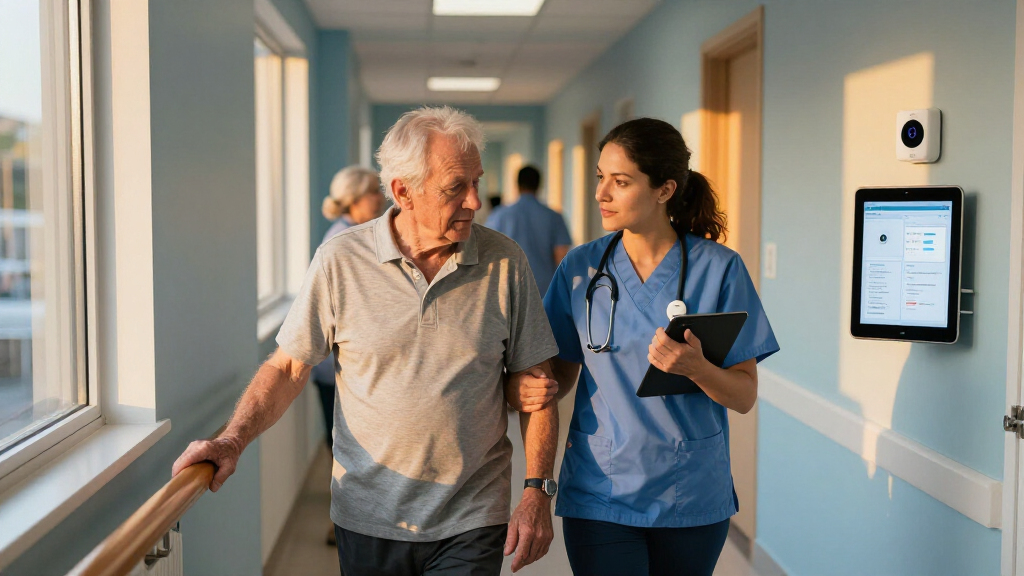
Trilogy Health Services and Signature HealthCARE are using AI-supported monitoring and documentation tools to flag potential health problems, reduce falls and organize records for audits, executives from the nursing home operators said at a conference in Philadelphia this week. They described reported improvements at facilities using the tools, while stressing that systems must help staff rather than add work or create privacy risks.
Trilogy’s monitoring program uses a chest-worn device for about 300 residents considered at higher risk of rehospitalization, Trilogy senior vice president and chief nursing officer Rhonda Dempsey told Skilled Nursing News. The device tracks residents around the clock and can alert a nurse when a resident’s temperature remains two degrees above their baseline for about an hour. The nurse then assesses the resident and contacts a practitioner.
Dempsey said the program had helped reduce hospitalizations by 60%. The source report did not provide a measurement period, comparison group or other details behind that figure. Dempsey said the purpose is to alert teams to potential problems before a resident’s condition worsens and may require hospital care.
Signature’s fall-prevention system, CareAI, was first implemented in four facilities and has since expanded to 20, chief nursing officer Barbara Revelette said. The system detects resident movement and notifies staff. Revelette said clinical teams recorded an 80% decrease in falls in buildings where the technology was implemented; the report did not specify the time frame or comparison method for that result.
Signature also uses remote “virtual sitters” who can monitor about eight to 10 residents at a time, according to Revelette. A sitter can contact a resident or alert on-site staff if, for example, a resident appears to be trying to get out of bed. The program is also used for behavioral monitoring, and families can join calls with a resident, sitter and doctor. Revelette said Signature continues to add features.
The operators described another use of AI in clinical documentation and audit preparation. Signature uses tools to identify missing information and bring records together in dashboards, Revelette said. Both executives said documentation specialists remain necessary as facilities respond to auditors who may request different information.
Earlier Alerts, Fewer Staff Tasks
The programs illustrate how nursing home operators are applying AI to specific operational pressures: recognizing health changes, responding to fall risks and locating documentation. If alerts reach staff early enough, they may support faster clinical assessment. Remote monitoring may also let a sitter watch several residents instead of requiring one staff member to remain with each person.
The reported results matter to residents and families because falls and avoidable hospital transfers can affect care and daily life. They also matter to caregivers facing documentation demands and competing responsibilities. But the figures shared at the conference are operator-reported outcomes, not independently validated findings in the source report. They do not establish that AI alone caused the reductions or that similar results would occur at other facilities.
Dempsey and Revelette also framed staff adoption as a practical condition for success. A tool that creates extra steps or fails to fit facility workflows may be ignored. The executives said technology should reduce tasks and leave caregivers more time for direct resident care.
Products Worth Considering
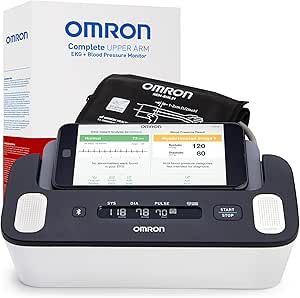
OMRON Complete 2-in-1 Upper Arm Blood Pressure Monitor with EKG

OMRON VIVA 360+ Body Composition Monitor and Smart Scale

BowFlex Results Series SelectTech 552 Adjustable Dumbbell
As an affiliate, we earn on qualifying purchases.
Two Operators, Different Tools
The comments came during a clinical-care panel at Skilled Nursing News’ ReThink conference in Philadelphia. Trilogy, based in Louisville, operates more than 140 senior living communities, according to the report. Signature HealthCARE, also based in Louisville, operates 69 locations across five states.
Signature’s fall-prevention project received a state grant in Tennessee, Revelette said. The report describes an initial rollout at four facilities followed by expansion to 20, but does not name the facilities or provide a schedule for further deployment. Trilogy’s monitoring device is aimed at residents the operator considers more likely to be rehospitalized, rather than being described as a system used by all residents.
The executives said the technology is paired with human review: alerts prompt nurses or remote sitters to contact staff, while practitioners assess residents. Their comments did not describe AI as replacing clinical judgment. They also raised the risk that staff may turn to unapproved tools if operators do not provide workable options, including potential exposure of sensitive information.
“When their temperature goes up two degrees above their baseline and sustains for about an hour, the nurse gets the alert, goes down and assesses the resident, and calls the practitioner.”
— Rhonda Dempsey, Trilogy Health Services’ senior vice president and chief nursing officer
How Results Were Measured
The report does not state the time periods, baseline rates or methods used to calculate Trilogy’s reported 60% reduction in hospitalizations or Signature’s 80% decrease in falls. It also does not provide independent evaluations, facility-level results or details on how other factors may have contributed. The figures should be read as claims by the executives, not as independently confirmed outcomes.
Other details remain open, including how Signature’s program will expand, what additional features are planned and how the operators assess the systems’ effects on staffing, resident privacy and care. The source report does not describe the devices’ costs or provide specific information about how resident data is stored and protected. Dempsey warned that use of unapproved technology can expose an organization to privacy and compliance concerns, but did not identify a specific incident at either operator.
Further Rollout and Staff Adoption
Signature has expanded CareAI from four facilities to 20, and Revelette said the operator is still developing features for its virtual sitter program. The report did not give a target date or identify which facilities may be next. Trilogy continues weekly tracking of the roughly 300 residents using its monitoring device, Dempsey said.
Both operators described implementation and staff buy-in as ongoing responsibilities. The next evidence readers may want is clearer reporting on how the outcomes were measured, whether results persist as programs expand, and how facilities manage privacy and documentation requirements. No further rollout dates or independent evaluations were announced in the source report.
Key Questions
What AI tools are Trilogy and Signature using?
Trilogy uses a wearable monitoring device to track selected residents’ vital signs and alert nurses to certain changes. Signature uses CareAI to detect movement associated with fall risks, alongside a virtual sitter program and tools for organizing clinical documentation.
How many residents are covered by Trilogy’s monitoring program?
Dempsey said the device was being used for about 300 residents and that the operator reviews the program weekly. The report did not say how many facilities the residents are in.
Did the operators report fewer falls or hospitalizations?
Yes. Trilogy’s Dempsey said hospitalizations fell by 60%, and Signature’s Revelette said falls decreased by 80% in buildings using the fall-prevention technology. The source report did not provide the time periods or calculation methods, and it did not independently verify either figure.
Does the technology replace nurses or sitters?
The programs described rely on people to respond. Alerts prompt nurses to assess residents, and Signature’s virtual sitters are live staff members who can contact residents and facility teams. The executives presented the tools as support for staff, not replacements for clinical assessment.
What remains unknown about the programs?
The report does not detail program costs, privacy safeguards, independent evaluations or the methods behind the reported outcome reductions. It also gives no schedule for further expansion of Signature’s program.
Source: rss