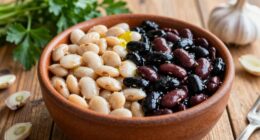


When you consume fermented soy, you introduce beneficial probiotics that support your gut microbiome, helping to balance bacteria and reduce harmful microbes. The fermentation process breaks down anti-nutrients like phytates and trypsin inhibitors, making nutrients easier for your body to absorb. This boosts digestion and improves nutrient intake, which strengthens your immune system and may lower inflammation. To discover more about how fermented soy supports your gut health and nutrient absorption, keep exploring.
Key Takeaways
- Fermentation produces beneficial probiotics that help balance and diversify the gut microbiome.
- Microbial activity breaks down anti-nutrients, making soy easier to digest and enhancing nutrient absorption.
- Live cultures from fermented soy crowd out harmful bacteria, supporting a healthier gut environment.
- Fermentation increases the bioavailability of vitamins, minerals, and micronutrients in soy foods.
- Consuming fermented soy reduces inflammation and boosts immune function, promoting overall digestive health.
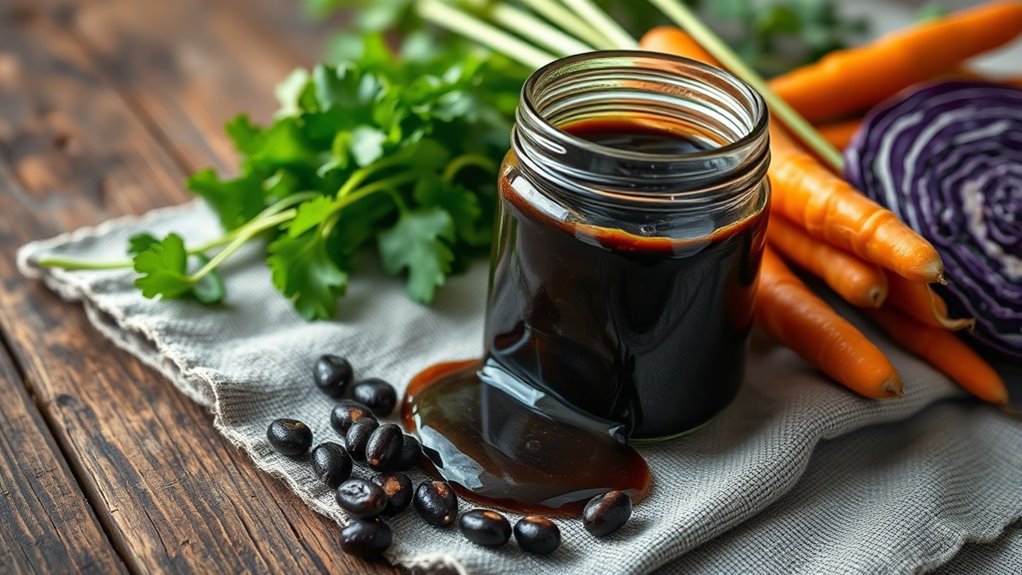
Have you ever wondered how fermented soy products like miso, tempeh, or natto can boost your gut health? The secret lies in the fermentation process, which transforms soybeans into rich sources of beneficial bacteria known as probiotics. During fermentation, naturally occurring microbes break down the soy’s complex compounds, creating a living food packed with probiotics benefits. These beneficial bacteria play an essential role in maintaining your digestive system by balancing the gut microbiome, improving digestion, and reducing inflammation. When you consume fermented soy, you’re not just eating a protein source; you’re actively supporting your gut’s health and resilience.
The probiotics benefits of fermented soy are well-documented. They help replenish and diversify your gut bacteria, which is fundamental because an imbalanced microbiome can lead to issues like bloating, constipation, or even more serious conditions such as irritable bowel syndrome. These live microorganisms help crowd out harmful bacteria, promoting a healthier gut environment. As a result, your body becomes more efficient at breaking down and absorbing nutrients from your food. This improved nutrient absorption means you get more vitamins, minerals, and other essential compounds from your diet, maximizing the health benefits of your meals.
Furthermore, the fermentation process enhances soy’s digestibility. Raw soy contains compounds like phytates and trypsin inhibitors that can hinder nutrient absorption and cause digestive discomfort. Through fermentation, these anti-nutrients are broken down, making the soy easier to digest and allowing your body to better utilize the nutrients within. This process not only boosts your gut health but also guarantees you’re getting the most nutritional value from soy-based foods. Additionally, embracing a creative practice approach to exploring fermented foods can inspire innovative ways to incorporate them into your diet, enriching your culinary experience.
Eating fermented soy regularly can also support your immune system. Since a significant portion of your immune function resides in your gut, maintaining a healthy microbiome with probiotics benefits your overall health. The live cultures from fermented soy can strengthen your body’s natural defenses against pathogens and reduce inflammation, which is often linked to chronic diseases.

Codeage Fermented Digestive Enzymes Supplement 3-Month Supply – 14 Digestive Enzymes, Probiotics, Prebiotics, Fermented Botanicals, Plant-Based Multi Pancreatic Enzymes – 1 Capsule a Day – 90 Capsules
Comprehensive Enzyme Blend: Codeage Fermented Digestive Enzymes+ supplement offers 14 different digestive enzymes, including protease, amylase, glucoamylase, diastase,…
As an affiliate, we earn on qualifying purchases.
As an affiliate, we earn on qualifying purchases.
Frequently Asked Questions
Does Fermented Soy Help With Specific Digestive Issues?
Yes, fermented soy can help with specific digestive issues by reducing gut inflammation and improving nutrient bioavailability. The fermentation process breaks down complex compounds, making soy easier to digest and less likely to cause discomfort. You may notice relief from bloating or irregularity, and your body absorbs nutrients more efficiently. Incorporating fermented soy into your diet supports your gut health, promoting better digestion and overall wellness.
How Much Fermented Soy Should I Consume Daily?
You should aim for about 1/2 to 1 cup of fermented soy daily, depending on your tolerance and dietary needs. Follow the daily intake guidelines, which suggest starting with smaller portions and gradually increasing as your body adjusts. Incorporate fermented soy, like tempeh or miso, into balanced meals to maximize gut health benefits. Always listen to your body, and consult a healthcare provider if you have concerns.
Can Fermented Soy Replace Other Probiotic Foods?
Fermented soy can be a good addition, but it shouldn’t fully replace other probiotic foods. While soy probiotic offers unique fermented soy benefits like supporting digestion and boosting gut flora, variety is key for ideal health. Incorporate fermented soy alongside yogurt, kefir, or sauerkraut to maximize beneficial bacteria. This balanced approach ensures you get a diverse range of probiotics, enhancing your gut health effectively.
Are There Any Side Effects From Eating Fermented Soy?
Eating fermented soy is like walking a tightrope—you need to be careful. If you have a soy allergy, it can trigger reactions, so avoid it. Some people worry about hormone effects, but moderate consumption usually isn’t problematic. However, too much fermented soy might cause digestive discomfort or interfere with thyroid function in sensitive individuals. Always listen to your body and consult a healthcare professional if unsure.
Is Fermented Soy Suitable for People With Soy Allergies?
If you have a soy allergy, fermented soy might not be suitable because it still contains soy proteins that can trigger allergen concerns. Even though fermentation can reduce some allergenic compounds, it doesn’t eliminate all risk. You should avoid fermented soy products if you’re allergic, and consult your healthcare provider for personalized advice to prevent any allergic reactions. It’s safest to choose soy-free alternatives if you have allergen concerns.

ROM AMERICA Premium Soybeans for Soy Milk, Tofu, Tempeh, Miso, Soy Protein Powder, Japanese Natto 메주콩 – 4 Pound (Pack of 1)
✅ DELICIOUS FLAVOR – Our dry soybean is amazingly delicious. It serves as a neutral base for many…
As an affiliate, we earn on qualifying purchases.
As an affiliate, we earn on qualifying purchases.
Conclusion
By incorporating fermented soy into your diet, you’re planting seeds for a healthier gut and better nutrient absorption. Think of your digestive system as a thriving garden—fermented soy acts like the nourishing rain, helping beneficial bacteria flourish. As your gut blooms with balance and vitality, you’ll notice improvements in energy and overall well-being. So, embrace this powerful food and watch your gut transform into a lush, vibrant paradise—your inner landscape thriving like never before.
Codeage Fermented Digestive Enzymes Supplement 3-Month Supply – 14 Digestive Enzymes, Probiotics, Prebiotics, Fermented Botanicals, Plant-Based Multi Pancreatic Enzymes – 1 Capsule a Day – 90 Capsules
Comprehensive Enzyme Blend: Codeage Fermented Digestive Enzymes+ supplement offers 14 different digestive enzymes, including protease, amylase, glucoamylase, diastase,…
As an affiliate, we earn on qualifying purchases.
As an affiliate, we earn on qualifying purchases.

FERMALIFE USDA Organic Fermented Soy Nutritional Beverage – Mix, 5.6oz, 20 Servings, Non-GMO, Vegan, Nutrients for Your Gut Bacteria
Only 4 Ingredients NO – Added Preservatives NO – Added Sugar
As an affiliate, we earn on qualifying purchases.
As an affiliate, we earn on qualifying purchases.