
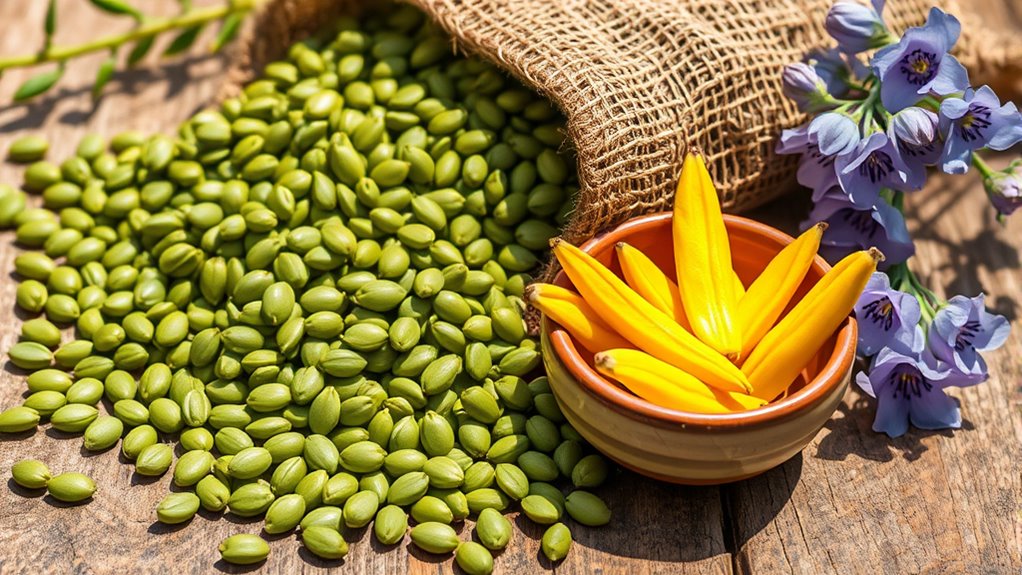

Harnessing local superfoods like hemp and lupins boosts your health while supporting sustainable farming and cultural traditions. These nutrient-rich ingredients are versatile, great in smoothies, salads, or hearty dishes, and help reduce the environmental impact of food transportation. By choosing local superfoods, you promote soil health, biodiversity, and a stronger community economy. Want to discover more about how these powerful ingredients can benefit you and your environment? Keep exploring to learn how to incorporate them into your lifestyle.

Get health and wellness essentials delivered free with Prime
- Fast, free delivery on millions of items
- Prime Video, Amazon Music and more included
- Member-only deals all year
Key Takeaways
- Local superfoods like hemp and lupins are nutrient-dense, offering high-quality protein, omega-3 fatty acids, fiber, and essential minerals.
- Incorporating native ingredients supports traditional recipes, cultural heritage, and regional culinary identity.
- Using regional superfoods reduces environmental impact by decreasing transportation, packaging, and reliance on synthetic chemicals.
- Promoting local superfoods encourages sustainable farming practices that enhance soil health and biodiversity.
- Consuming native superfoods boosts community health and economy, fostering eco-friendly agriculture and mindful consumption.
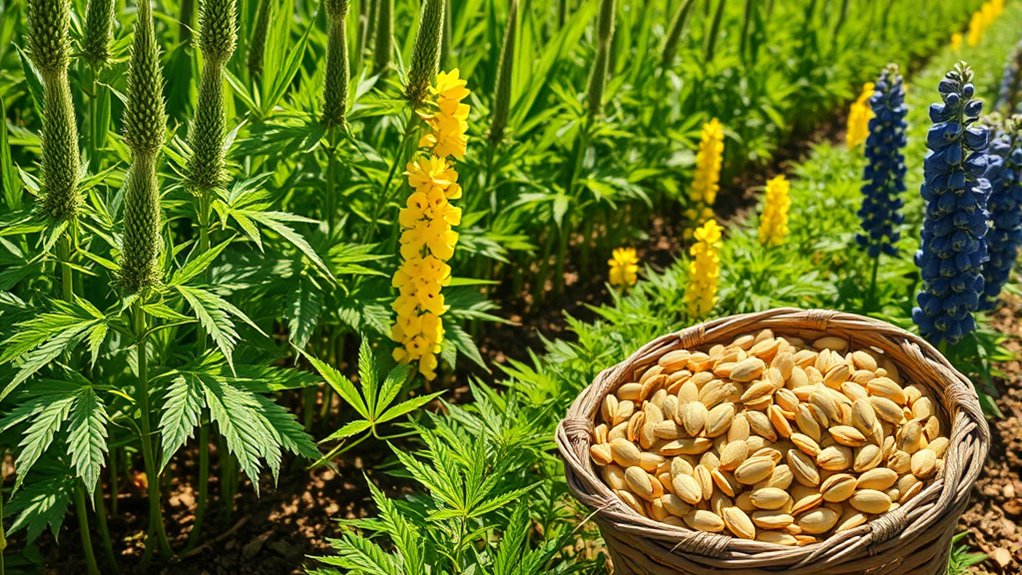
Have you ever wondered how tapping into local superfoods can boost your health and support your community? When you choose to incorporate native ingredients like hemp and lupins into your diet, you’re not just making a health-conscious decision—you’re also promoting sustainable farming practices that respect the environment and local ecosystems. These superfoods are often grown using traditional farming methods that have been passed down through generations, ensuring minimal reliance on synthetic chemicals and emphasizing soil health. By supporting farms that prioritize sustainable practices, you’re helping preserve the land for future generations while accessing nutrient-dense foods that are fresher and more flavorful than their mass-produced counterparts.
Using local superfoods in your cooking also encourages the preservation of traditional recipes. Many of these dishes hinge on ingredients that are native to your region, carrying cultural significance and unique flavors that can’t be replicated with imported ingredients. Embracing traditional recipes that highlight hemp or lupins connects you to your community’s culinary heritage, strengthening local identity and fostering a sense of pride. Plus, these recipes often emphasize simplicity and seasonal ingredients, making them both accessible and environmentally friendly.
Incorporating superfoods like hemp and lupins into your meals is easier than you might think. Hemp seeds add a nutty flavor and are packed with protein, omega-3 fatty acids, and minerals, making them a versatile addition to salads, smoothies, or baked goods. Lupins, on the other hand, are legumes rich in fiber and plant-based protein, perfect for hearty stews or as a meat substitute in various recipes. When you cook with these local ingredients, you’re not only boosting your nutritional intake but also reducing your carbon footprint, since they require less transportation and packaging compared to imported superfoods.
Supporting local farmers who grow these superfoods also contributes to soil health and promotes biodiversity within your community. Choosing to prioritize local superfoods also supports local farmers and the economy. By purchasing directly from farmers who practice sustainable farming, you help ensure that these practices continue and expand. This creates a positive cycle—more demand for sustainable products encourages more farmers to adopt eco-friendly methods, which benefits the environment and your community’s health. Additionally, supporting local agriculture helps keep farmland active and vibrant, preventing urban sprawl and preserving green spaces.
Ultimately, harnessing local superfoods like hemp and lupins offers a powerful way to enhance your health while honoring your community’s traditions and ecological practices. You get to enjoy delicious, nutritious foods that are grown responsibly, all while helping to sustain local economies and protect the environment. Embracing these superfoods isn’t just about adding new ingredients to your pantry; it’s about making mindful choices that resonate far beyond your plate.
Frequently Asked Questions
How Can Local Superfoods Be Integrated Into Everyday Meals?
You can easily incorporate local superfoods into your everyday meals by adding them during meal prep, like sprinkling hemp seeds on yogurt or salads. Use lupins in stews or as a protein-rich side dish to boost flavor and nutrition. These superfoods enhance flavor naturally, making your meals more exciting and nutritious without extra effort. Incorporate them regularly to enjoy their health benefits and elevate your daily eating experience.
Are There Any Environmental Benefits of Cultivating Local Superfoods?
Yes, cultivating local superfoods offers environmental benefits. You help preserve biodiversity by supporting diverse plant varieties, promoting resilient ecosystems. Sustainable farming practices reduce reliance on harmful chemicals and minimize emissions, lowering your carbon footprint. Growing superfoods locally also decreases transportation needs, which cuts pollution and energy consumption. By choosing these nutritious plants, you play a part in protecting the planet’s health through eco-friendly cultivation and conservation efforts.
What Are the Potential Health Risks Associated With Hemp and Lupins?
You should be aware that hemp and lupins can pose health risks like allergic reactions, especially if you’re sensitive to legumes or related plants. Additionally, there’s a potential for toxin contamination if they’re not properly grown or processed. Always check for quality and source your superfoods from reputable providers to minimize these risks. If you experience symptoms like swelling or difficulty breathing, seek medical attention immediately.
How Do Local Superfoods Compare Nutritionally to Imported Options?
You’ll find that local superfoods often have higher nutrient density because they’re fresher and harvested closer to your farm-to-table experience. When you choose locally sourced options like hemp and lupins, you benefit from minimal processing and maximum nutrients. Compared to imported foods, local superfoods retain more vitamins and minerals, making them a healthier, more sustainable choice for your diet. Plus, supporting local farms boosts your community’s economy.
What Are the Best Ways to Source Authentic Local Superfoods?
You should visit farmer’s markets regularly, where local growers sell fresh, authentic superfoods like hemp and lupins. Look for products with organic certifications to guarantee quality and sustainability. Talking directly to farmers helps you verify sourcing methods and authenticity. Supporting local farms not only guarantees fresh, nutritious options but also encourages sustainable practices, making it easier for you to incorporate superfoods into your diet confidently.
Conclusion
By embracing local superfoods like hemp and lupins, you’re planting seeds of health and sustainability in your community. These nutrient-rich treasures are more than just food—they’re symbols of resilience and connection to the land. As you incorporate them into your diet, imagine nurturing a vibrant garden of well-being that blossoms with every meal. Together, you can cultivate a future where nourishment and nature grow hand in hand, creating a legacy worth passing down.
Halloween Picks
halloween
As an affiliate, we earn on qualifying purchases.