
TL;DR

Get health and wellness essentials delivered free with Prime
- Fast, free delivery on millions of items
- Prime Video, Amazon Music and more included
- Member-only deals all year
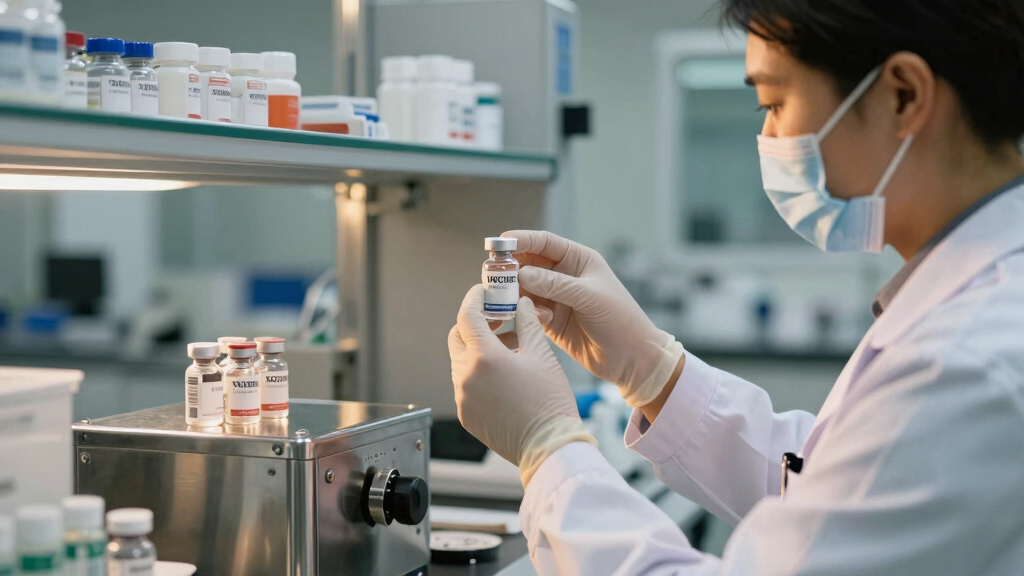
Gavi has approved a $180 million investment to enhance vaccine manufacturing in Africa. The funding aims to strengthen local production, reduce dependency on imports, and improve vaccine access across the continent.
Gavi, the Vaccine Alliance, has approved a $180 million fund to support the development of vaccine manufacturing facilities across Africa. This move aims to bolster local production capabilities, reduce reliance on imports, and improve vaccine access for the continent’s populations. The funding approval was announced on March 2024, marking a major step in Africa’s health infrastructure development.
The $180 million fund will be allocated over several years to support the construction, equipment, and operational costs of vaccine manufacturing plants in multiple African countries, including Nigeria, Senegal, and South Africa. Gavi’s decision follows a series of assessments indicating significant gaps in vaccine production capacity across the continent, which has historically depended heavily on imports from Asia and Europe.
Officials from Gavi stated that the funding aims to facilitate technology transfer, strengthen supply chains, and create sustainable local vaccine production. This initiative aligns with broader efforts by international health organizations to improve pandemic preparedness and ensure equitable access to vaccines in low- and middle-income countries.
While the $180 million approval is confirmed, details about specific project locations, timelines, and operational plans are still being finalized. Local governments and partners are expected to collaborate closely to implement the projects over the coming years.
Why Increased Vaccine Manufacturing in Africa Matters
This funding is a significant step toward reducing Africa’s dependence on imported vaccines, which has often led to delays and shortages during health emergencies. By developing local manufacturing capacity, African countries can respond more swiftly to outbreaks, improve immunization coverage, and strengthen health resilience. Additionally, building vaccine production facilities can create jobs, stimulate economic growth, and promote technology transfer within the continent.
The initiative also supports global health equity, ensuring that African populations have better access to vaccines, including those for COVID-19, measles, and other preventable diseases. Experts say that increasing local capacity is critical for pandemic preparedness and for achieving longer-term health security goals.
As an affiliate, we earn on qualifying purchases.
Background on Africa’s Vaccine Production Challenges
Historically, Africa has faced significant challenges in vaccine manufacturing, relying heavily on imports from Europe and Asia. During the COVID-19 pandemic, many African countries experienced delays and shortages due to supply chain disruptions and limited local capacity. Prior efforts to establish regional manufacturing hubs have been hampered by funding gaps, technological barriers, and logistical issues.
In recent years, international organizations and donor agencies, including Gavi, WHO, and the World Bank, have prioritized investments to build manufacturing capacity. The approval of the $180 million fund is part of this broader strategy to create sustainable, self-sufficient vaccine production in Africa.
Previous projects included pilot facilities and technology transfer agreements, but scaling these efforts has been limited without substantial financial backing. The new funding aims to address these gaps and accelerate the development of regional vaccine hubs.
“This investment is a pivotal step toward building resilient health systems in Africa by enabling local vaccine manufacturing. It will help ensure that African countries are better prepared for future health emergencies.”
— Dr. Seth Berkley, Gavi CEO
As an affiliate, we earn on qualifying purchases.
Details Still Pending on Implementation Timeline
It is not yet clear when the manufacturing facilities will become operational or the specific countries involved beyond initial mentions. Details about project milestones, funding disbursement schedules, and operational management are still being finalized. Additionally, the capacity and scope of each facility remain to be clarified as projects progress.
laboratory autoclaves for vaccine production
As an affiliate, we earn on qualifying purchases.
As an affiliate, we earn on qualifying purchases.
Next Steps in Funding Deployment and Project Launches
Gavi and partner governments will now work to finalize project plans, select locations, and initiate construction. A timeline for when the facilities will be operational is expected within the next 12 to 24 months. Stakeholders will also focus on technology transfer agreements and training programs to ensure sustainable local production.
As an affiliate, we earn on qualifying purchases.
Key Questions
Which African countries will benefit from the funding?
The initial focus includes Nigeria, Senegal, and South Africa, but other countries may also be involved as projects develop.
What types of vaccines are expected to be produced?
The facilities aim to produce a range of vaccines, including COVID-19, measles, and other common immunizations, depending on local needs and capacity.
How will this funding impact vaccine availability in Africa?
By increasing local production, the initiative aims to reduce delays, shortages, and reliance on imports, improving vaccine access and coverage across the continent.
Is this part of a broader international effort?
Yes, it aligns with global initiatives led by organizations like Gavi, WHO, and the World Bank to strengthen health systems and pandemic preparedness in Africa.
What challenges could delay the project?
Potential challenges include logistical hurdles, funding disbursement delays, technological transfer issues, and political or regulatory obstacles in participating countries.
Source: google-trends
Halloween Picks
halloween
As an affiliate, we earn on qualifying purchases.