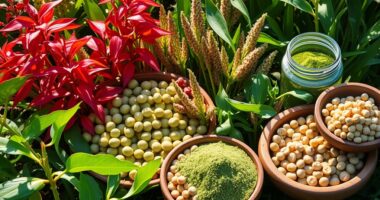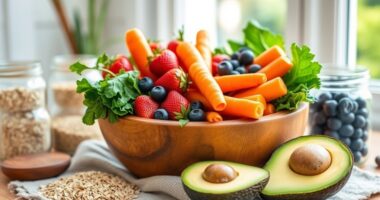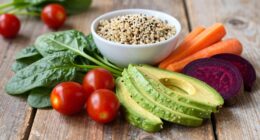
Stocking your pantry with high-fiber staples like beans, lentils, and whole grains makes it easy to incorporate nutritious ingredients into your daily meals. Use airtight containers to keep them fresh, organize for quick access, and batch cook to save time. These staples boost digestion and overall health, encouraging consistent consumption. Keep exploring ways to maximize their benefits—you’ll find simple tips to incorporate them into your diet efficiently and deliciously.
Key Takeaways
- Stock a variety of dried and canned beans, lentils, and whole grains to ensure diverse high-fiber options.
- Store staples in clear, airtight containers to maintain freshness and facilitate quick identification.
- Batch cook and pre-portion cooked grains and legumes for quick, nutritious meals.
- Organize pantry items by usage frequency and store in a cool, dark place to extend shelf life.
- Incorporate these staples regularly into salads, soups, and bowls to meet daily fiber intake goals.

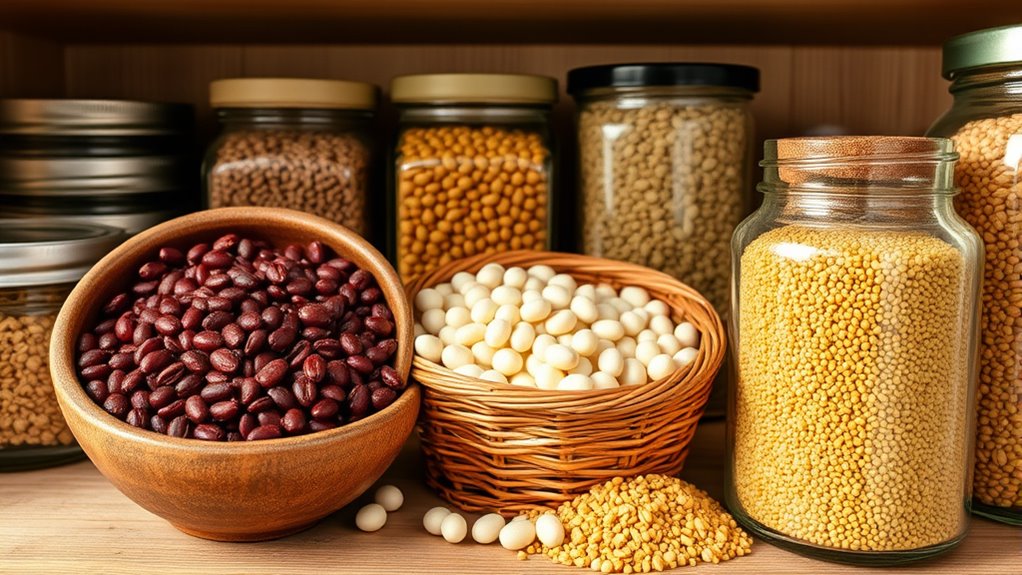
A well-stocked pantry with high-fiber staples can make it easy to boost your daily intake of this essential nutrient. When you have beans, lentils, and whole grains readily available, you’re more likely to incorporate them into your meals regularly. To keep everything fresh and accessible, it’s important to implement smart storage solutions. Properly storing these items not only extends their shelf life but also makes meal prep tips more efficient. Clear, airtight containers are ideal for storing dried beans, lentils, and grains, keeping out moisture and pests while allowing you to see what you have at a glance. Labeling containers with purchase or expiration dates can help you stay organized and avoid waste.
Organize your high-fiber staples in clear, airtight containers for freshness and easy access.
When planning your meals, consider batch cooking to maximize your pantry staples. Preparing large quantities of beans, lentils, or grains in advance means you can quickly assemble nutritious meals during the week. For example, cook a big pot of lentils on Sunday, then portion them out into containers for salads, soups, or wraps. This approach saves time and encourages you to include more fiber-rich foods in your diet. Incorporate meal prep tips like pre-washing and soaking dried beans before cooking to reduce cooking time and improve digestibility. You can also portion cooked grains into single-serving sizes, making it simple to add them to stir-fries, bowls, or side dishes.
To keep your pantry organized, set up a designated area for your high-fiber staples. Use stackable containers or baskets to maximize space, and arrange items in order of usage frequency. This way, you’re more likely to grab what you need without rummaging through clutter. When shopping, buy in bulk to save money and reduce packaging waste, but only purchase what you can realistically store and use before expiration. Keep dried beans and grains in a cool, dark place away from direct sunlight to prevent spoilage.
Incorporating high-fiber staples into your meals doesn’t require complicated recipes. Toss cooked beans or lentils into salads, blend them into smoothies for added nutrition, or serve grains as a base for bowls topped with vegetables and protein. With a well-organized pantry and effective storage solutions, you’ll find it simple to include these nutritious, fiber-rich foods daily. Over time, these habits will help you reach your fiber goals effortlessly, supporting better digestion and overall health.

Airtight Food Storage Containers with Lids, Vtopmart 24 pcs Plastic Kitchen and Pantry Organization Canisters for Cereal, Dry Food, Flour and Sugar, BPA Free, Includes 24 Labels,Black
Help Organize Your Kitchen and Pantry— Imagine every time walking to your kitchen or pantry, found everything is…
As an affiliate, we earn on qualifying purchases.
As an affiliate, we earn on qualifying purchases.
Frequently Asked Questions
How Long Do Dried Beans and Lentils Stay Fresh?
Dried beans and lentils typically stay fresh for about 1 to 2 years if you store them properly. To maximize freshness preservation and shelf life extension, keep them in airtight containers in a cool, dark place. Regularly check for any signs of spoilage, like mold or a strange odor. Proper storage helps guarantee your pantry staples remain nutritious and tasty for as long as possible.
What Are the Best Storage Methods for Whole Grains?
To guarantee grain preservation and keep your pantry organized, store whole grains in airtight containers like glass jars or plastic bins. Keep them in a cool, dark, and dry place away from sunlight and heat sources. Consider using opaque containers to block light. Label each container with the date of purchase, and regularly check for signs of pests or spoilage to maintain freshness and optimize your pantry organization.
Can High-Fiber Staples Be Cooked Quickly?
Yes, you can cook high-fiber staples quickly with instant cooking methods like using a pressure cooker or soaking beforehand. These techniques reduce cooking time while helping retain nutrients. For example, soaking beans or lentils speeds up their cook time, and pressure cooking preserves nutrients better than traditional boiling. So, with these methods, you get a nutritious, fiber-rich meal in less time without sacrificing flavor or health benefits.
Are Canned Beans as Nutritious as Dried Ones?
Canned beans are nearly as nutritious as dried ones, but there are slight nutritional differences, like a bit more sodium in canned options. They also tend to have a softer texture and milder flavor, which some prefer, while dried beans often have a richer, earthier taste. Overall, canned beans offer convenience and good nutrition, but if you want the best flavor and control over added ingredients, dried beans are worth the extra prep time.
How Do I Reduce Gas From High-Fiber Foods?
To tame tummy troubles, try taking digestive aids like ginger or over-the-counter enzymes before eating high-fiber foods. Gradually introduce beans, lentils, and grains into your diet to allow your gut to adapt. Soaking, rinsing, and cooking thoroughly can also cut down on gas. Remember, patience pays—small, steady steps help your system adjust without discomfort, making fiber-friendly foods more manageable and enjoyable over time.

Iberia Dry Lentils, 12 Oz
Iberia dry lentils can be used in a variety of recipes
As an affiliate, we earn on qualifying purchases.
As an affiliate, we earn on qualifying purchases.
Conclusion
Incorporating these high-fiber pantry staples like beans, lentils, and whole grains can boost your daily fiber intake effortlessly. Did you know that eating just one cup of cooked lentils provides about 16 grams of fiber? That’s over half your recommended daily intake! Stocking up on these nutritious staples not only supports digestion but also keeps you feeling full longer. Start adding them to your meals today and enjoy the health benefits they bring!
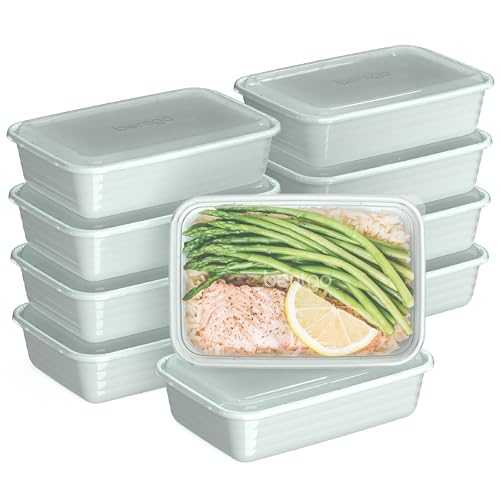
Bentgo Prep – 20-Piece 1-Compartment Reusable Meal Prep Containers with Lids, PFAS & BPA Free Materials, Durable, Microwave, Freezer, & Dishwasher Safe To Go Food Storage (Mint)
#1 Brand Pick for Meal Prep Containers: Bentgo is the top pick for meal prep containers!* This lightweight,…
As an affiliate, we earn on qualifying purchases.
As an affiliate, we earn on qualifying purchases.

Lundberg Family Farms – Organic Brown Short Grain Rice, Subtle Nutty Aroma, Clings When Cooked, 100% Whole Grain, High Fiber, Pantry Staple, USDA Certified Organic, Gluten-Free, Vegan (32 oz, 1-Pack)
SIMPLE & DELICIOUS: A pantry staple, Short Grain Brown Rice clings together when cooked. Its subtle, nutty aroma…
As an affiliate, we earn on qualifying purchases.
As an affiliate, we earn on qualifying purchases.