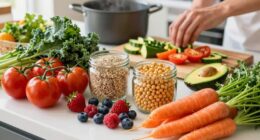

As a vegan, staying well-hydrated means more than just drinking water—you need to balance your fluids with electrolytes from plant-based foods like bananas, leafy greens, sweet potatoes, and avocados. Your water needs can vary based on activity level and climate, but generally, consuming electrolyte-rich foods helps prevent imbalances like dehydration or hyponatremia. To optimize your hydration and maintain mineral balance, consider how your diet supports your body’s needs—you’ll discover more tips ahead.
Key Takeaways
- Vegans should consume water and electrolyte-rich foods like fruits and leafy greens to maintain hydration and mineral balance.
- Hydration needs vary based on activity level, climate, and individual factors, requiring personalized water intake adjustments.
- Incorporate natural electrolyte sources such as bananas, avocados, and coconut water alongside water consumption.
- Relying solely on water may dilute electrolytes; balancing intake with plant-based foods helps prevent imbalances.
- Monitor signs like muscle cramps or dizziness to determine if additional electrolytes or hydration adjustments are necessary.
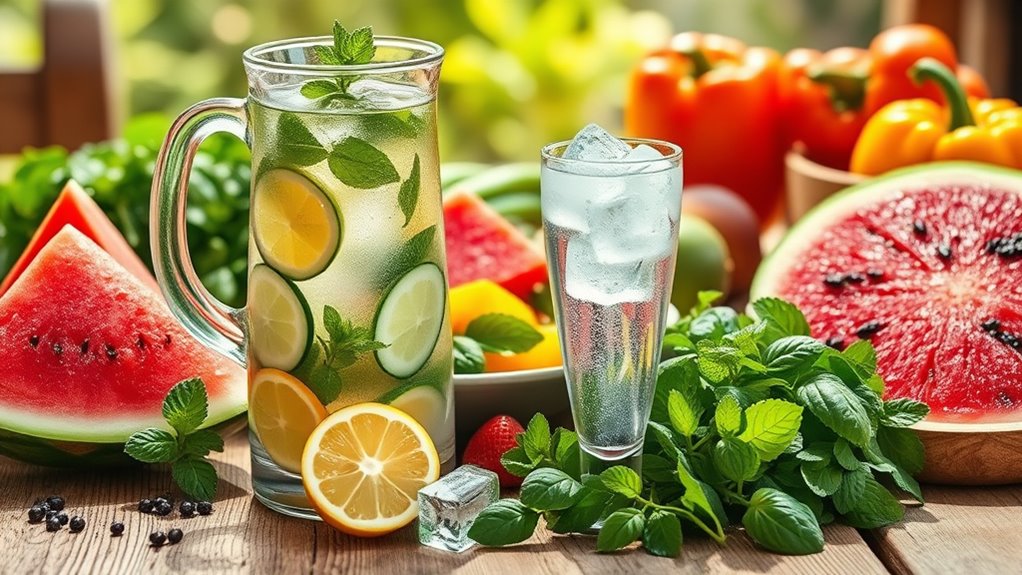
Staying properly hydrated is essential for maintaining your body’s balance and ensuring all systems function smoothly. When it comes to hydration, understanding electrolyte balance is crucial, especially for vegans who may need to pay closer attention to their mineral intake. Electrolytes like sodium, potassium, magnesium, and calcium help regulate fluid levels in your body, support nerve signaling, and keep muscles functioning properly. Without adequate electrolyte levels, you might experience symptoms like fatigue, muscle cramps, or dizziness, even if you’re drinking enough water. That’s why developing effective hydration strategies is vital. These strategies involve not just drinking water but also consuming foods and beverages that replenish electrolytes naturally, ensuring your body remains in optimal balance.
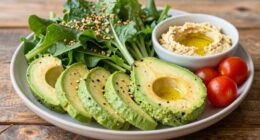
As a vegan, you can meet your hydration needs through plant-based foods rich in electrolytes, such as bananas, sweet potatoes, leafy greens, and avocados. Incorporating these into your diet helps maintain electrolyte balance, especially after physical activity or on hot days when you sweat more. Besides, drinking water alone isn’t always enough, particularly if you’re active or live in a warm climate. You might consider adding electrolyte-enhanced drinks or homemade solutions like coconut water, which naturally contains potassium and magnesium. These options can help you recover lost minerals more efficiently, preventing dehydration and supporting overall health.
Additionally, choosing electrolyte-rich foods over processed supplements can provide a more balanced intake of minerals and support your overall nutritional health. Implementing smart hydration strategies means being mindful of your body’s signals and adjusting your intake accordingly. For example, if you notice muscle cramps or fatigue, it could indicate an imbalance in electrolytes, prompting you to increase your intake of mineral-rich foods or beverages. Conversely, drinking water consistently throughout the day, especially during and after physical activities, helps keep fluid levels stable. It’s also important to balance water intake with electrolytes; drinking excessive amounts of plain water without replenishing minerals can dilute your electrolyte levels, leading to a condition called hyponatremia. So, a well-rounded approach involves both adequate hydration and mindful consumption of electrolyte-rich foods and drinks.

Ultima Replenisher Daily Electrolyte Powder – Tropical Variety Pack, 20 Stickpacks – Zero Sugar Hydration Packets with 6 Electrolytes and Minerals – Sugar Free, Plant Based & Keto Friendly Drink Mix
Refresh and replenish: Ultima electrolytes powder packets deliver balanced daily hydration with 6 key electrolytes, vitamin C, zinc…
As an affiliate, we earn on qualifying purchases.
As an affiliate, we earn on qualifying purchases.
Frequently Asked Questions
Do Vegans Need Electrolyte Supplements to Stay Hydrated?
You probably don’t need electrolyte supplements if you’re eating a balanced vegan diet rich in plant-based proteins and iron sources. Staying well-hydrated with water and eating foods like leafy greens and beans helps maintain electrolyte balance naturally. Proper intake supports iron absorption and keeps your energy levels steady. Supplements are only necessary if you’re engaging in intense exercise or sweating excessively, but most vegans can stay hydrated through diet alone.
How Does Plant-Based Eating Affect Electrolyte Balance?
Plant-based eating can dramatically boost your electrolyte balance, turning your diet into a powerhouse of plant-based minerals like potassium, magnesium, and calcium. These nutrients support ideal electrolyte absorption, helping prevent dehydration and muscle cramps. By incorporating fruits, vegetables, nuts, and seeds, you guarantee your body stays well-hydrated and balanced. Think of your diet as a vibrant, life-giving force that keeps your electrolytes in perfect harmony, fueling your energy and vitality.
Are Coconut Water and Sports Drinks Necessary for Vegans?
Coconut water benefits make it a great natural electrolyte source, so you might not need sports drinks unless you’re engaging in intense exercise. Sports drinks comparison shows they often contain added sugars and artificial ingredients, which you can avoid by choosing coconut water. For most vegans, eating a balanced diet with fruits, vegetables, and whole grains provides sufficient electrolytes, making specialized drinks unnecessary unless you’re sweating heavily or exercising intensely.
Can Vegan Diets Lead to Dehydration?
Vegan diets can lead to dehydration if you don’t prioritize plant-based hydration strategies. Since you rely on vegan protein sources like beans, tofu, and nuts, it is crucial to drink enough water to support digestion and nutrient absorption. Keep in mind that plant-based hydration isn’t just about water; consider incorporating electrolyte-rich foods like bananas and leafy greens to maintain proper fluid balance and prevent dehydration.
What Are Signs of Electrolyte Imbalance in Vegans?
When your body’s out of sync, it’s a red flag you’re experiencing electrolyte imbalance. You might notice muscle cramps and fatigue symptoms that come on unexpectedly. Your muscles may feel twitchy or weak, and you could feel drained even after resting. Pay attention to these signs, as they show your electrolytes—like potassium, magnesium, and sodium—are out of whack, especially if you’re on a plant-based diet.

Nature's Truth Electrolyte Tablets | No Sugar | 90 Count | Vegan, Non-GMO & Gluten Free Hydration Supplement | with Minerals
ELECTROLYTE HYDRATION* TABLETS: Receive key electrolytes in one unique formula
As an affiliate, we earn on qualifying purchases.
As an affiliate, we earn on qualifying purchases.
Conclusion
Staying well-hydrated is key for vegans, especially since your water needs can vary based on activity, climate, and diet. Did you know that the average adult should aim for about 3.7 liters of water daily? Remember, electrolyte balance is just as important. By paying attention to your body’s signals and consuming water-rich plant foods, you’ll stay energized and healthy. Keep hydration a priority, and your body will thank you!

Nectar Hydration Packets – Electrolytes Powder Packets – Sugar Free & 0 Calorie – Organic Fruit Liquid Daily IV Electrolytes Powder for Dehydration Relief and Rehydration (Variety 30 Pack)
All Natural Rapid Hydration – A clean, daily electrolyte drink mix optimized to hydrate you rapidly. These rehydration…
As an affiliate, we earn on qualifying purchases.
As an affiliate, we earn on qualifying purchases.
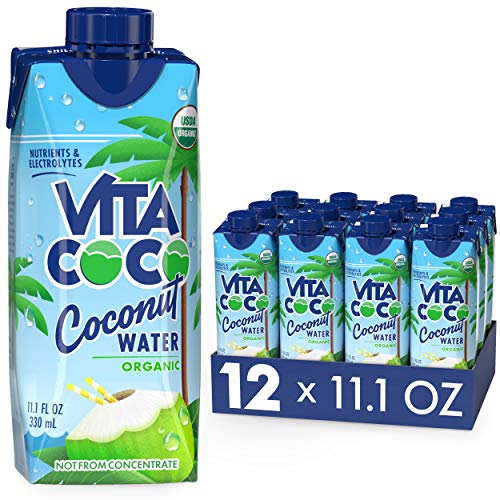
Vita Coco Coconut Water, Pure Organic | Refreshing Coconut Taste | Natural Electrolytes | Vital Nutrients | 11.1 Oz (Pack Of 12)
Taste of the tropics | Not long ago you needed a ladder and a machete to get great-tasting…
As an affiliate, we earn on qualifying purchases.
As an affiliate, we earn on qualifying purchases.