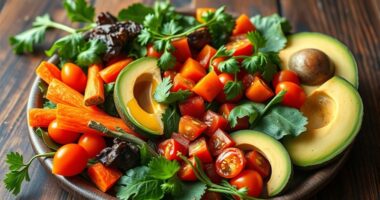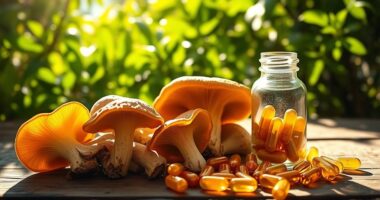


Fermented nuts and legumes offer higher protein bioavailability than raw versions because fermentation pre-digests complex proteins and reduces antinutrients like phytic acid and enzyme inhibitors. These compounds normally block enzyme activity and limit nutrient absorption, so fermentation makes amino acids easier for your body to access and utilize. As a result, fermentation improves muscle recovery and growth. If you want to discover how to maximize nutrient absorption from your foods, keep exploring these benefits.

Get health and wellness essentials delivered free — and shop member deals
- Fast, free delivery on millions of items
- Access to Prime Big Deal Days deals on October 6–7
- Prime Video, Amazon Music and more included
Key Takeaways
- Fermentation reduces antinutrients like phytic acid, enhancing protein digestibility and amino acid absorption from nuts and legumes.
- Raw nuts and legumes contain antinutrients that inhibit enzymatic digestion, limiting bioavailability of their proteins.
- Fermented foods improve nutrient bioavailability by pre-digesting proteins and decreasing enzyme inhibitors.
- Consuming fermented nuts and legumes leads to more efficient amino acid uptake and better muscle recovery.
- Fermentation enhances overall nutrient absorption, making proteins from nuts and legumes more bioavailable than raw counterparts.

Have you ever wondered why some protein sources help you build muscle more effectively than others? The key lies in their bioavailability—the ease with which your body can access and utilize the amino acids they contain. When you consume protein, your body begins enzymatic digestion, where enzymes break down complex proteins into smaller peptides and amino acids. This process is essential because it directly impacts nutrient absorption—the efficiency with which your intestines absorb these amino acids into your bloodstream. The more efficiently your body performs enzymatic digestion, the better your muscles can recover and grow.
Fermented nuts and legumes often stand out as superior sources of bioavailable protein compared to their raw counterparts. Fermentation involves a natural process where microorganisms, like bacteria or yeast, partially digest the food before you consume it. This pre-digestion process reduces the levels of antinutrients—compounds that can inhibit enzymes involved in digestion and hinder nutrient absorption. As a result, fermented foods tend to be easier for your digestive system to process. When you eat fermented nuts or legumes, your body doesn’t need to work as hard to enzymatically break down the proteins, leading to more efficient nutrient absorption. This means your muscles get the amino acids they need more quickly, aiding in muscle repair and growth.
In contrast, raw nuts and legumes contain antinutrients such as phytic acid and enzyme inhibitors. These compounds can interfere with enzymatic digestion, making it harder for your body to access the full spectrum of amino acids within these foods. As a result, even if the raw foods contain a high amount of protein, your body might not absorb it all effectively. This inefficiency can slow down muscle recovery and limit gains from your workouts. By choosing fermented versions, you bypass some of these barriers, ensuring that your digestive enzymes can function at their best.
Additionally, fermentation can also increase the bioavailability of certain nutrients beyond just amino acids, such as B vitamins and minerals. This enhanced nutrient profile supports overall health and muscle function. When you prioritize fermented nuts and legumes in your diet, you’re not only improving the quantity of available protein but also enhancing the quality of nutrient absorption. This strategic choice can make a significant difference in your fitness goals, helping you build lean muscle more efficiently and recover faster. Ultimately, understanding how fermentation influences enzymatic digestion and nutrient absorption empowers you to select better protein sources, maximizing the benefits of your nutritional efforts. Incorporating fermented foods into your diet can significantly improve your overall nutrient uptake and support your health goals.
fermented nuts and legumes protein supplement
As an affiliate, we earn on qualifying purchases.
As an affiliate, we earn on qualifying purchases.
Frequently Asked Questions
How Does Fermentation Affect Amino Acid Profiles?
Fermentation processes enhance amino acid profiles by breaking down complex proteins into simpler, more digestible forms. This amino acid enhancement makes essential amino acids more available for your body to absorb. During fermentation, beneficial microbes produce enzymes that improve amino acid content, increasing the nutritional value of nuts and legumes. So, by consuming fermented foods, you boost your intake of crucial amino acids, supporting better overall health and muscle development.
Are Fermented Nuts More Suitable for Certain Diets?
Fermented nuts are a game-changer for your diet, especially if you have specific nutritional preferences or dietary restrictions. They’re more suitable because fermentation enhances digestibility and nutrient absorption, making them ideal for those seeking plant-based proteins or managing sensitivities. Whether you’re vegan, gluten-free, or aiming for gut health, fermented nuts support your goals better than raw options, helping you optimize your diet effortlessly.
What Are the Potential Allergenic Changes After Fermentation?
Fermentation can cause allergenic modifications in nuts and legumes, potentially reducing or altering their immune response triggers. You might find that fermentation breaks down certain proteins responsible for allergic reactions, making them less allergenic. However, in some cases, fermentation can also create new allergenic compounds. It’s important to monitor your reactions and consult with a healthcare professional before incorporating fermented nuts or legumes if you have known allergies.
Can Fermentation Reduce Anti-Nutritional Factors in Legumes?
Did you know fermentation can reduce anti-nutritional factors in legumes by up to 50%? This process enhances nutrient bioavailability and encourages flavor development. When you ferment legumes, you break down compounds like phytic acid and tannins that inhibit mineral absorption. As a result, you get a more nutritious, tastier product, making it easier for your body to absorb essential nutrients and enjoy richer flavors from your legumes.
How Does Fermentation Influence Digestibility in Different Populations?
Fermentation improves digestibility across different populations by enhancing gut microbiota and breaking down complex proteins. Using various fermentation techniques, you can reduce anti-nutritional factors, making nutrients easier to absorb. For diverse groups, this process supports better nutrient utilization and may alleviate digestive issues. By incorporating fermented nuts and legumes into your diet, you promote healthier digestion and boost overall nutritional benefits, especially for those with sensitive or compromised gut health.
bioavailable plant protein powders
As an affiliate, we earn on qualifying purchases.
As an affiliate, we earn on qualifying purchases.
Conclusion
So, next time you choose between raw or fermented nuts and legumes, ask yourself—are you giving your body the best chance to absorb those essential proteins? Fermentation can release more nutrients, making your meals more nourishing. Don’t settle for less when it comes to your health. Isn’t your well-being worth the extra effort? Make informed choices and feed your body what it truly needs to thrive.
As an affiliate, we earn on qualifying purchases.
nutrient absorption fermented foods
As an affiliate, we earn on qualifying purchases.
As an affiliate, we earn on qualifying purchases.
Cold & flu season Picks
humidifiers
As an affiliate, we earn on qualifying purchases.