
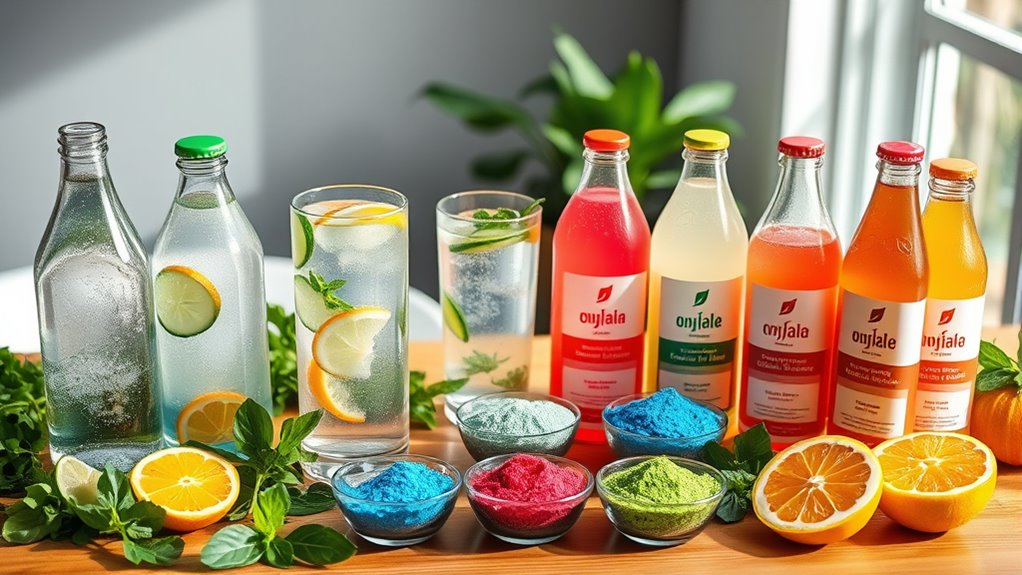

To stay well-hydrated as a vegan, focus on more than just drinking water—incorporate nutrient-rich plant foods like leafy greens, bananas, and watermelon, which provide key electrolytes such as potassium and magnesium. Enjoy natural drinks like coconut water, herbal teas, or infused water to replenish minerals without added sugars. Balancing these with water and salty snacks helps maintain energy and bodily functions. Keep exploring to discover more tips for ideal hydration on a plant-based diet.

Get health and wellness essentials delivered free — and shop member deals
- Fast, free delivery on millions of items
- Access to Prime Big Deal Days deals on October 6–7
- Prime Video, Amazon Music and more included
Key Takeaways
- Vegans should focus on plant-based foods rich in electrolytes like potassium, magnesium, and sodium for proper hydration.
- Incorporate water-rich fruits and vegetables such as watermelon, bananas, and leafy greens to naturally boost hydration.
- Use plant-based beverages like coconut water, herbal teas, and infused water to replenish electrolytes without added sugars.
- Balance water intake with mineral-rich snacks like olives and seaweed to maintain electrolyte levels during physical activity.
- Adjust hydration strategies based on activity level and environment, emphasizing natural, nutrient-dense options for optimal hydration.
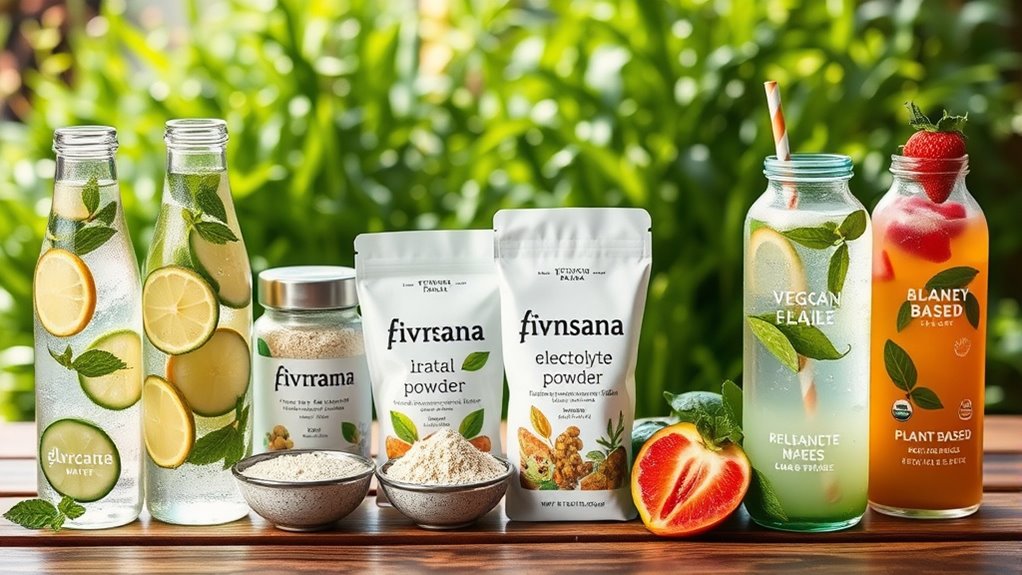
Ever wonder how vegans can stay properly hydrated while maintaining a plant-based lifestyle? The key lies in understanding plant-based hydration and the importance of incorporating natural electrolyte sources into your daily routine. Hydration isn’t just about drinking water; it’s about replenishing essential minerals like potassium, magnesium, and sodium that help your body function at its best. As a vegan, you have a variety of delicious, nutrient-rich options to support this process, ensuring you stay energized and balanced throughout the day.
Vegan hydration is about replenishing key minerals with tasty plant-based electrolyte sources.
Many plant-based foods naturally contain electrolytes, making them excellent choices for maintaining proper hydration. Leafy greens like spinach and kale are packed with magnesium and potassium, which help regulate fluid balance and muscle function. Sweet potatoes and bananas are also rich sources of potassium, aiding in preventing cramping and dehydration. Including water-rich fruits such as watermelon, strawberries, and oranges in your diet not only boosts hydration but also supplies essential electrolytes in a natural, tasty way. These foods enable you to achieve ideal hydration through what you eat, reducing reliance on processed electrolyte drinks that often contain added sugars and artificial ingredients.
In addition to consuming electrolyte-rich foods, you can incorporate plant-based hydration drinks into your routine. Coconut water, for example, is a natural electrolyte source that’s low in calories and high in potassium, making it a perfect beverage for replenishing minerals after workouts or hot days. Herbal teas infused with ingredients like ginger or mint can also contribute to fluid intake while providing additional health benefits. If you prefer flavored options, homemade infused water with slices of lemon, cucumber, or berries can make hydration more enjoyable without sacrificing nutrients.
It’s important to understand that hydration isn’t just about drinking water alone. You should aim to balance your intake of plain water with these nutrient-rich options to support electrolyte levels. Salty snacks made from plant-based ingredients—like olives or seaweed—can help replenish sodium lost through sweating. Remember, maintaining proper hydration is a continuous process; listening to your body’s signals such as thirst, dry mouth, or fatigue can guide you in adjusting your intake accordingly.
As an affiliate, we earn on qualifying purchases.
Frequently Asked Questions
Can Vegans Get Enough Electrolytes Without Animal Products?
Yes, you can get enough electrolytes without animal products. Focus on electrolyte sources like bananas, spinach, and sweet potatoes, which are rich in potassium. Include plant-based supplements such as coconut water or herbal infusions for additional minerals. By incorporating these foods and drinks into your diet, you guarantee proper hydration and electrolyte balance, supporting your active lifestyle and overall health without relying on animal-derived sources.
Are There Specific Plant-Based Drinks That Improve Hydration?
Imagine sipping a glass of coconut water, its clear liquid shimmering like a jewel, instantly replenishing your body’s electrolytes. Plant-based hydration options like coconut water, watermelon juice, and herbal teas not only quench your thirst but also boost hydration naturally. These vegan beverage options are rich in essential electrolytes, making them excellent choices for maintaining fluid balance and energy levels throughout your day, without relying on animal products.
How Much Water Do Vegans Need Daily?
You should aim for about 2.7 liters of vegan water intake daily if you’re a woman and around 3.7 liters if you’re a man. For ideal plant-based hydration, listen to your body’s thirst cues and include water-rich foods like fruits and vegetables. Staying consistently hydrated helps support energy, digestion, and overall health. Remember, individual needs vary based on activity level, climate, and diet.
Are Coconut Water and Herbal Teas Suitable Hydration Options?
Imagine a gentle stream nourishing your body—coconut water and herbal teas can be your hydration allies. Coconut water benefits include electrolytes that replenish lost minerals, making it a great choice post-exercise. Herbal tea varieties like chamomile or peppermint offer hydration with added antioxidants. Both are suitable options, providing flavor and nutrients while helping you stay hydrated. Just make certain you enjoy them without excessive added sugars for ideal health.
What Are Signs of Dehydration Unique to Vegans?
You might notice plant-based dehydration symptoms like dry mouth, dark urine, and fatigue more intensely. Vegan-specific signs include dizziness after skipping meals or feeling weak despite eating well. If you experience these symptoms, it’s a sign you need to increase your water intake and replenish electrolytes. Staying hydrated is essential, especially since plant-based diets can sometimes lead to hidden dehydration, so listen to your body’s signals and hydrate accordingly.
plant-based hydration water bottles
As an affiliate, we earn on qualifying purchases.
As an affiliate, we earn on qualifying purchases.
Conclusion
So, here’s the irony: you’re dedicated to a plant-based lifestyle, yet staying hydrated often requires a careful balancing act of water, electrolytes, and functional drinks. You’d think nourishing your body with veggies would make hydration a breeze, but instead, you find yourself searching for that perfect blend. Just remember, even in the world of veganism, staying hydrated might be the one thing that keeps you feeling truly alive—and surprisingly, it’s not always as simple as sipping water.
natural electrolyte supplements for vegans
As an affiliate, we earn on qualifying purchases.
As an affiliate, we earn on qualifying purchases.
As an affiliate, we earn on qualifying purchases.
Fall Picks
fall essentials
As an affiliate, we earn on qualifying purchases.