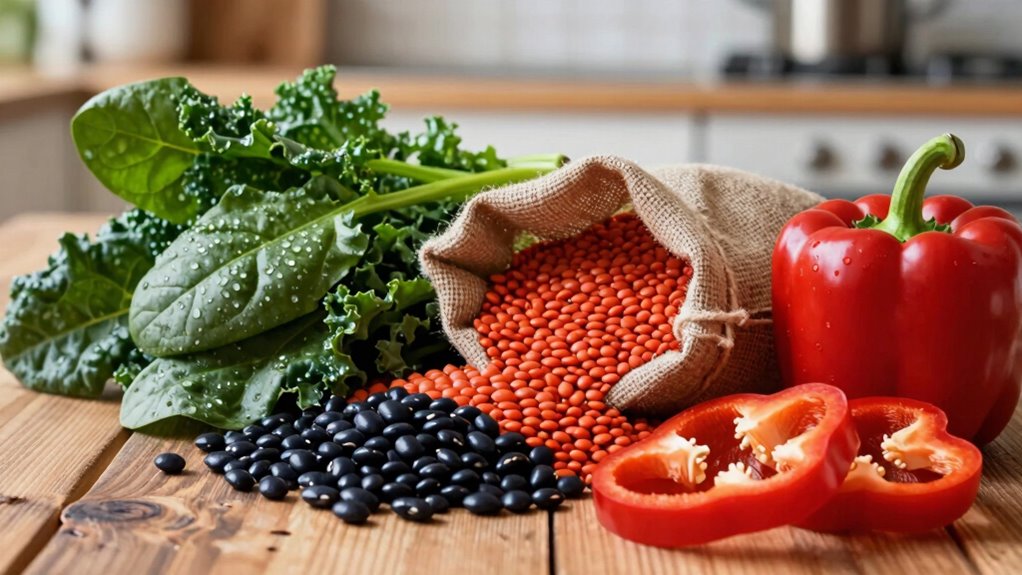
To get more iron from everyday plant foods, include options like beans, spinach, tofu, and quinoa regularly. Pair these with vitamin C-rich foods such as peppers, strawberries, or citrus to boost absorption. Use soaking, sprouting, or fermenting techniques to reduce inhibitors like phytates, and cook with cast iron cookware when possible. Timing your meals to avoid tea, coffee, and dairy around iron-rich foods can also help. Keep exploring for more tips to maximize your plant-based iron intake.

Get health and wellness essentials delivered free with Prime
- Fast, free delivery on millions of items
- Prime Video, Amazon Music and more included
- Member-only deals all year
Key Takeaways
- Pair iron-rich plant foods with vitamin C sources like citrus or peppers to enhance absorption.
- Reduce intake of tea, coffee, and calcium-rich foods during iron-rich meals to prevent absorption inhibitors.
- Use soaking, sprouting, or fermenting techniques on beans, grains, and seeds to increase iron bioavailability.
- Cook with cast iron cookware to naturally boost the iron content of your meals.
- Distribute iron sources throughout the day for consistent absorption and avoid large, single-meal doses.
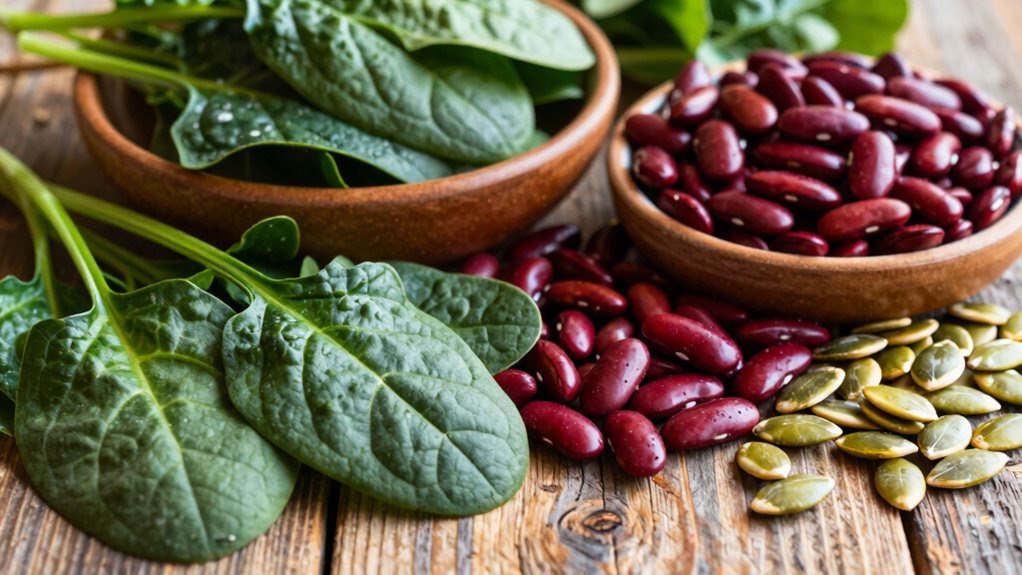
Getting enough iron from plant foods is vital for maintaining energy levels and supporting overall health, especially if you follow a vegetarian or vegan diet. Iron plays an essential role in oxygen transport and energy production, but plant-based sources often contain non-heme iron, which isn’t absorbed as efficiently as the heme iron found in animal products. To maximize your iron intake, you need to focus on ways to improve iron absorption from the plant foods you eat.
Maximize iron absorption from plant foods to support energy and overall health on vegetarian or vegan diets.
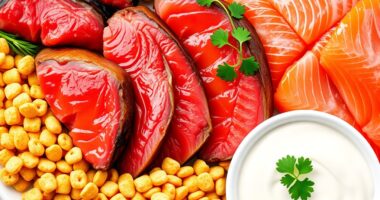
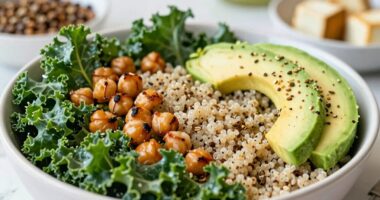
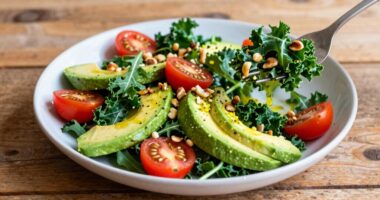
Firstly, include a variety of plant-based sources rich in iron, such as beans, lentils, tofu, spinach, quinoa, and fortified cereals. These foods are excellent options to boost your iron levels naturally. However, simply consuming these sources isn’t enough because non-heme iron isn’t absorbed as easily. To enhance iron absorption, pair these foods with vitamin C-rich options like bell peppers, strawberries, citrus fruits, or tomatoes. Vitamin C helps convert non-heme iron into a form that your body can absorb more efficiently, making your meals more effective.
Be mindful of substances that can inhibit iron absorption. For example, tannins found in tea and coffee, calcium in dairy or fortified plant milks, and phytates in whole grains and legumes can all interfere with iron uptake. To optimize your iron absorption, try to consume these inhibitors separately from iron-rich meals. For instance, have tea or coffee between meals rather than with them, and choose calcium-rich foods at different times to prevent competition for absorption. Additionally, incorporating soaking, sprouting, and fermenting techniques can significantly reduce phytate levels and improve mineral bioavailability. Moreover, staying aware of meal timing and how it impacts nutrient absorption can further enhance your iron intake.
Cooking methods also influence how much iron your body can extract from plant foods. Soaking, sprouting, and fermenting beans, grains, and seeds can reduce phytate content, allowing better mineral absorption. Using cast iron cookware can even increase the iron content of your dishes, especially when cooking acidic foods like tomato sauce. Incorporating these techniques into your routine helps your body access more iron from the foods you already eat.
In addition to diet, paying attention to your overall nutritional timing can make a difference. Eating iron-rich foods consistently throughout the day, rather than in one large meal, can give your body a steady supply of iron. Also, maintaining a balanced intake of nutrients, including vitamin C, helps guarantee that your body is primed to absorb as much iron as possible from your plant-based sources. Furthermore, understanding the zodiac traits and their influence on personality can motivate you to develop personalized health routines that align with your natural tendencies.
As an affiliate, we earn on qualifying purchases.
Frequently Asked Questions
Are Plant-Based Iron Sources Suitable for Children and Pregnant Women?
Plant-based iron sources are suitable for children and pregnant women, but you should be cautious. As an athlete or vegan, you might consider iron supplementation for vegans to meet your needs. Make sure they consume vitamin C-rich foods to boost iron absorption. Always consult healthcare providers to tailor iron intake, especially during pregnancy, to prevent deficiencies and support healthy development. Proper planning makes plant-based iron sources a safe option.
Can Cooking Methods Affect the Iron Content in Plant Foods?
Cooking techniques can considerably influence iron bioavailability in plant foods. Some methods, like soaking, sprouting, and fermenting, act as gateways that reveal more iron, making it easier for your body to absorb. Conversely, overcooking or boiling can wash away or degrade iron content, reducing its benefits. To maximize iron intake, choose cooking methods that preserve or enhance iron bioavailability, turning your kitchen into a treasure chest of nutrition.
What Are the Best Plant Foods to Combine for Better Iron Absorption?
You should pair iron-rich plant foods like spinach, lentils, or tofu with vitamin C sources, such as bell peppers, oranges, or tomatoes, to boost absorption. Food pairing with these absorption enhancers helps your body absorb non-heme iron more efficiently. Combining these foods in one meal guarantees you maximize iron intake, making your plant-based diet more effective in meeting your iron needs effortlessly.
Is There a Difference Between Heme and Non-Heme Iron in Plants?
The key difference is that heme iron, found in animal products, is absorbed easily, while non-heme iron, present in plants, is less readily absorbed. You might find it frustrating, but focusing on non-heme iron foods like beans and spinach, and pairing them with vitamin C-rich foods, can boost absorption. Remember, variety and vitamin C combinations can convert plant-based iron into a more beneficial, boostable part of your diet.
How Can I Tell if I Have Iron Deficiency From Plant-Based Diets?
You can tell if you have an iron deficiency by watching for symptoms like fatigue, weakness, or pale skin. To confirm, consider dietary testing or consult a healthcare provider. They might recommend iron supplements if your levels are low. Keep in mind, plant-based diets often need careful planning to meet iron needs, so regular testing helps guarantee you’re getting enough and prevents deficiency.
As an affiliate, we earn on qualifying purchases.
Conclusion
So, next time you’re munching on those leafy greens or nibbling on beans, remember—they’re packed with iron, even if it doesn’t look like it. Ironically, your plant foods are hiding more power than you might give them credit for. Just pair them with vitamin C-rich foods, and you’ll boost absorption like a pro. Who knew that boosting your iron intake could be as simple as eating your everyday plants? Iron-age, here you come!
soaking sprouting fermenting beans
As an affiliate, we earn on qualifying purchases.
As an affiliate, we earn on qualifying purchases.
As an affiliate, we earn on qualifying purchases.
Cold & flu season Picks
humidifiers
As an affiliate, we earn on qualifying purchases.