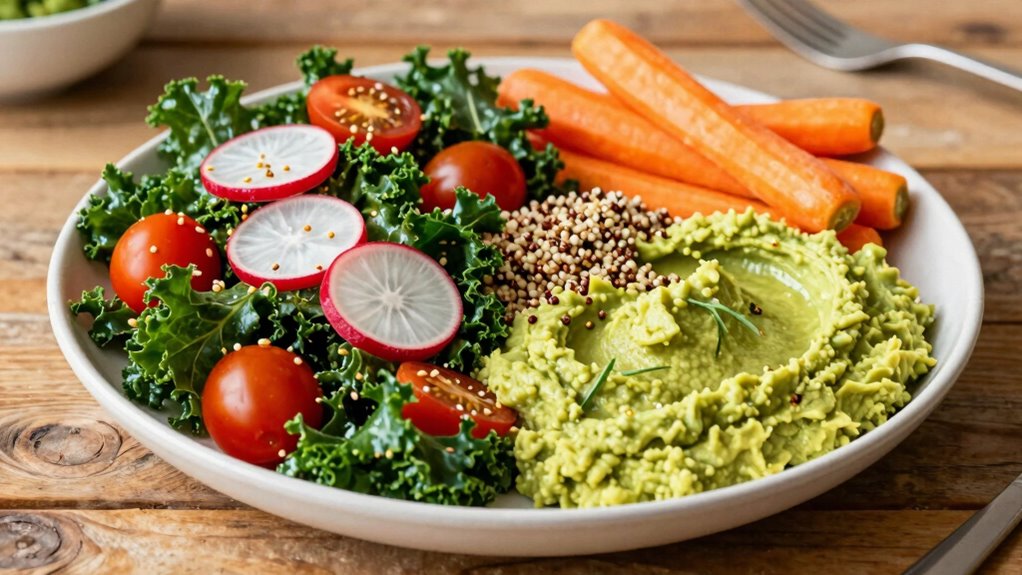

Many new vegans assume that simply replacing animal products with plant foods automatically makes their diet healthy. However, plant-based foods aren’t always nutrient-rich or easy to absorb, especially without proper planning. Relying on processed vegan snacks can introduce unhealthy fats and sugars. Instead, focus on including a variety of whole foods and proper preparation methods. Keep exploring to discover how to truly optimize your plant-based diet for health and importance.

Get health and wellness essentials delivered free with Prime
- Fast, free delivery on millions of items
- Prime Video, Amazon Music and more included
- Member-only deals all year
Key Takeaways
- Assuming all plant foods are automatically nutritious overlooks the need for proper planning and nutrient absorption considerations.
- Relying on processed vegan snacks can introduce unhealthy ingredients, despite marketing them as “healthy.”
- A limited, monotonous diet can cause nutrient gaps; variety and colorful produce enhance overall nutrient intake.
- Processing methods and anti-nutrients can reduce nutrient bioavailability; proper food prep is essential for optimal absorption.
- Removing animal products doesn’t guarantee a balanced diet; intentional choices and whole foods are key for health.
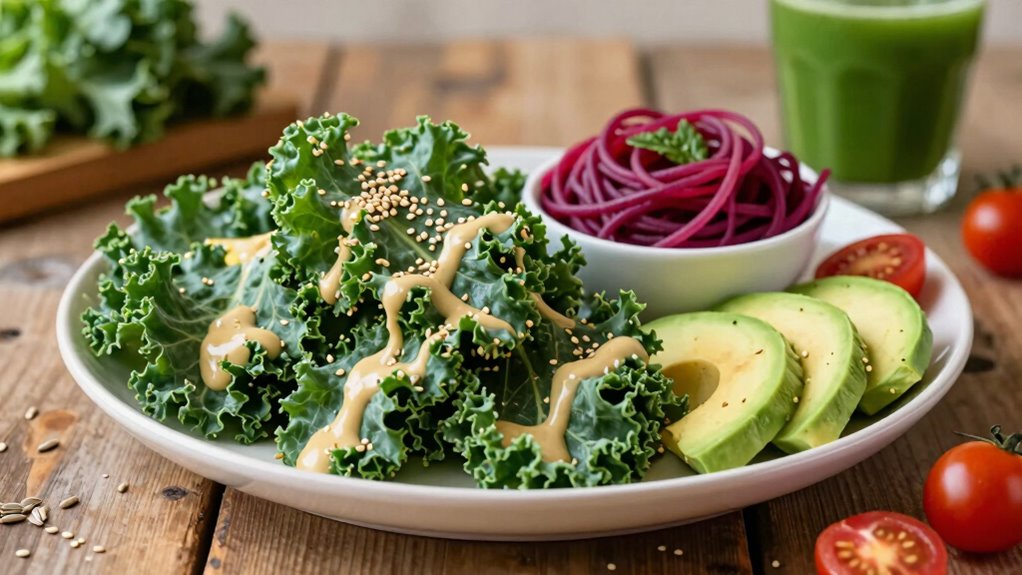
When you first switch to a vegan diet, it’s easy to assume that plant-based foods are automatically healthier. You might fill your plate with fruits, vegetables, nuts, and grains, thinking you’re on the right track. But being vegan doesn’t guarantee that your diet is nutritious or balanced. Many newcomers overlook the importance of nutrient absorption, believing that eating more plant foods alone will meet all their nutritional needs. In reality, some plant-based foods can hinder nutrient absorption if not prepared or combined properly. For example, foods high in phytates, like whole grains and legumes, can bind to minerals like iron and zinc, making it harder for your body to absorb them. Without proper planning, you might find yourself deficient in key nutrients despite eating “healthy” foods.
Switching to a vegan diet requires careful planning to ensure proper nutrient absorption and avoid deficiencies.
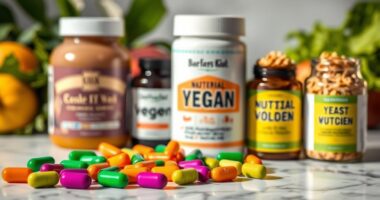
Another common mistake is falling into the trap of relying on processed snacks labeled as vegan. These can be tempting because they’re convenient and often marketed as healthy options. However, many processed vegan snacks are loaded with added sugars, unhealthy fats, and artificial ingredients that undermine their health benefits. They might be vegan, but they’re far from wholesome. Instead of nourishing your body, they can contribute to inflammation, energy crashes, and long-term health issues. It’s essential to read labels carefully and prioritize whole, minimally processed foods over packaged alternatives. Your body absorbs nutrients best from foods in their natural state, so focusing on fresh fruits, vegetables, and whole grains will serve you better than processed snacks.
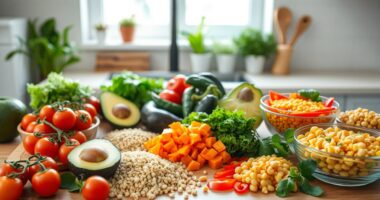
Also, many new vegans underestimate the importance of variety in their diet. Relying too heavily on a handful of familiar foods can lead to nutrient gaps. For example, if you’re only eating bananas and spinach, you might miss out on other vital nutrients found in different fruits and vegetables. A diverse diet enhances nutrient absorption because it provides a broader spectrum of vitamins, minerals, and phytochemicals. Incorporating a wide array of colorful produce ensures you get the most out of your meals. Additionally, paying attention to food preparation techniques can significantly boost nutrient bioavailability. Being aware of food combining principles can also help maximize nutrient absorption and overall health benefits. Furthermore, understanding how processing methods impact nutrient content can guide you toward healthier choices. It’s also helpful to stay informed about nutrient-rich foods that can support your health goals on a vegan diet. Moreover, understanding the impact of anti-nutrients can help you choose foods and preparation methods that enhance nutrient uptake.
Finally, don’t forget that simply removing animal products doesn’t automatically make your diet healthy. You need to be intentional about your food choices, focusing on nutrient density and balance. Be mindful of how foods are prepared and combined to maximize nutrient absorption, and steer clear of processed snacks that can hide behind the “vegan” label. A well-planned vegan diet, rich in whole foods and variety, will give your body the nutrients it needs to thrive, rather than just avoiding animal products.
As an affiliate, we earn on qualifying purchases.
Frequently Asked Questions
Can Vegan Foods Still Be High in Sugar and Unhealthy Fats?
Yes, vegan foods can still be high in sugar content and unhealthy fats. Just because a product is plant-based doesn’t mean it’s automatically healthy. Many processed vegan snacks and desserts contain added sugars and unhealthy fats that can negatively impact your health. Always check labels carefully, choose whole foods, and avoid products with excessive sugar or trans and saturated fats to maintain a balanced, nutritious vegan diet.
Are All Plant-Based Foods Automatically Healthy?
Not all plant-based foods are automatically healthy. While whole foods like fruits, vegetables, and grains are nutrient-dense, processed vegan products can be high in sugars, unhealthy fats, and additives. You need to focus on nutrient density, choosing minimally processed options that nourish your body. By prioritizing whole foods, you guarantee your diet is genuinely healthy, avoiding the pitfalls of relying on vegan foods that may be less beneficial.
How Can I Identify Hidden Non-Vegan Ingredients?
You can identify hidden non-vegan ingredients by carefully reading ingredient labeling on all products. Look out for hidden additives like gelatin, beeswax, or casein, which aren’t obvious at first glance. Educate yourself on common non-vegan ingredients and stay vigilant, especially in processed foods. When in doubt, research unfamiliar ingredients or choose products with clear, transparent labels to guarantee they align with your vegan lifestyle.
Do Vegan Processed Foods Lack Preservatives or Additives?
Vegan processed foods often contain artificial preservatives and chemical additives to prolong shelf life and enhance flavor. While some brands prioritize natural ingredients, many still include these substances to maintain product stability. You should check labels carefully, as preservatives like sodium benzoate or chemical additives such as artificial colorings are common. If you’re aiming for a cleaner diet, opt for minimally processed options and always read ingredient lists thoroughly to avoid unwanted additives.
Is a Vegan Diet Suitable for Everyone’s Nutritional Needs?
A vegan diet isn’t suitable for everyone’s nutritional needs. Studies show that about 20% of vegans struggle with nutrient absorption, risking deficiencies. You need to focus on dietary diversity to meet your unique needs, including vitamin B12, iron, and omega-3 fatty acids. If you have specific health conditions or are pregnant, consult a healthcare professional before committing to a vegan lifestyle to guarantee your body gets what it needs.
plant-based nutrient absorption aids
As an affiliate, we earn on qualifying purchases.
As an affiliate, we earn on qualifying purchases.
Conclusion
Remember, labeling something as “healthy” doesn’t automatically make it good for you. Just like a wolf in sheep’s clothing, some foods hide their true nature behind appealing labels. Keep questioning and listening to your body—it’s the best compass on your journey. Don’t let the shiny packaging fool you; true health comes from balance and awareness, not just the label. After all, isn’t it wiser to see beyond the surface and choose what truly nourishes you?
As an affiliate, we earn on qualifying purchases.
vegan multivitamins for absorption
As an affiliate, we earn on qualifying purchases.
As an affiliate, we earn on qualifying purchases.
Cold & flu season Picks
humidifiers
As an affiliate, we earn on qualifying purchases.