To balance plant-based omega-6 and omega-3 fatty acids, you should cut back on seed oils like soybean and corn, which are high in omega-6 and common in processed foods. Instead, focus on healthy fats like olive oil, avocados, nuts, seeds, and fatty fish for omega-3s. Maintaining a good ratio helps reduce inflammation and improve your overall health. If you keep exploring, you’ll discover practical ways to optimize your fatty acid balance effectively.
Key Takeaways
- Plant-based omega-6 fatty acids primarily come from seed oils like soybean, sunflower, and corn, common in processed foods.
- Balancing omega-6 with omega-3 intake from sources like fatty fish, flaxseeds, and walnuts helps reduce inflammation.
- Excessive consumption of seed oils can disrupt fatty acid ratios, promoting chronic inflammation and health issues.
- Incorporating healthy fats such as olive oil, avocados, and plant-based omega-3 sources aids in maintaining optimal balance.
- Reading ingredient labels and reducing processed food intake can help manage plant-based omega-6 levels and improve overall fatty acid ratios.
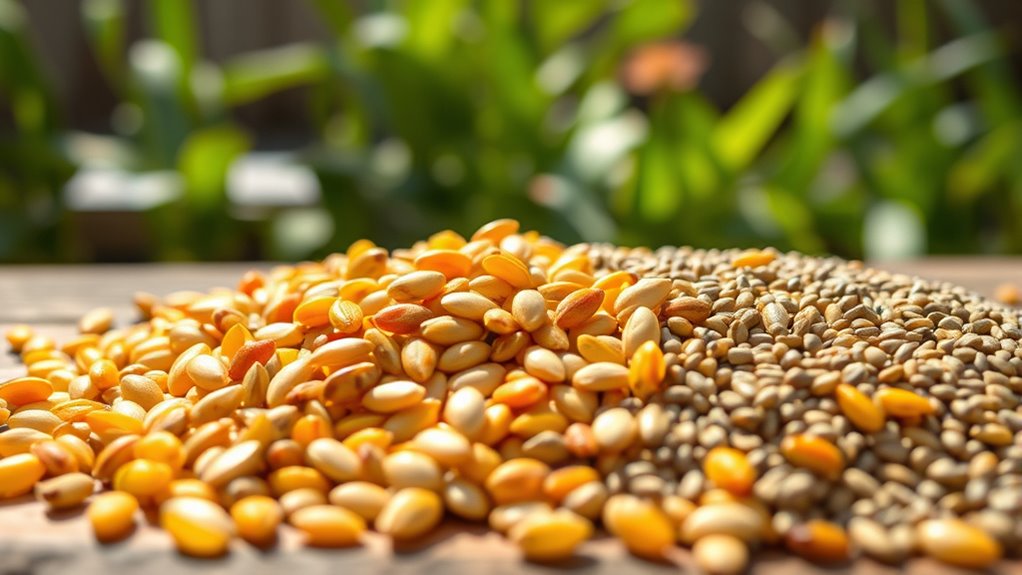
Have you ever wondered how plant-based sources influence your omega-6 intake and overall fatty acid balance? The answer largely depends on the types of seed oils you consume daily. Seed oils, such as soybean, corn, sunflower, and safflower oils, are common in many processed and packaged foods. These oils are rich in omega-6 fatty acids, which are essential for your body but can become problematic when consumed excessively. When you rely heavily on seed oils, your omega-6 intake can skyrocket, disrupting the delicate omega balance your body needs for ideal health. An imbalance between omega-6 and omega-3 fatty acids can promote inflammation, increase the risk of chronic diseases, and hinder your overall well-being.
Understanding the role of seed oils in your diet helps you realize how they influence your fatty acid ratios. These oils are high in linoleic acid, an omega-6 fat, which, in moderation, is beneficial. However, when they dominate your diet, they can drown out omega-3 fatty acids, like EPA and DHA, which are essential for brain health, reducing inflammation, and supporting cardiovascular function. The problem isn’t seed oils themselves but the frequency and quantity with which you consume them. Many processed foods, fast foods, and snacks rely heavily on seed oils to enhance flavor and shelf life, making it easy to ingest an excess of omega-6 without even realizing it.
Excess seed oils can drown out omega-3s, disrupting your fatty acid balance and promoting inflammation.
Balancing your omega-6 intake requires conscious choices about the seed oils you include in your diet. Instead of defaulting to refined seed oils, consider incorporating healthier fats such as olive oil, avocado oil, or even small amounts of coconut oil, which contain different types of fatty acids and can help restore a better omega balance. Whole foods like nuts, seeds, and fatty fish are excellent sources of omega-3s and can help counteract the high omega-6 levels you’re getting from seed oils. By paying attention to ingredient labels and cooking methods, you can reduce your reliance on seed oils and improve your fatty acid ratio.
Ultimately, achieving a healthy omega balance isn’t about eliminating seed oils entirely but about moderating your intake and choosing sources wisely. Being mindful of how much seed oil you use in cooking or consume in processed foods allows you to better support your body’s needs. When your omega-6 consumption aligns more closely with omega-3 intake, you’ll likely notice improvements in inflammation, mood, and overall health. So, understanding the influence of seed oils is a vital step toward optimizing your fatty acid profile and promoting long-term wellness. Additionally, educating yourself on healthy fat sources can make a significant difference in maintaining a balanced diet.
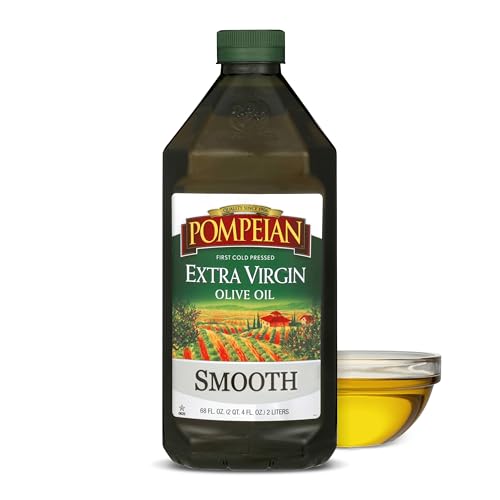
Pompeian Smooth Extra Virgin Olive Oil, Contains Polyphenols, First Cold Pressed, 68 Fl Oz
SMOOTH EXTRA VIRGIN OLIVE OIL: Expertly crafted by The Olive Oil People, this extra virgin olive oil is…
As an affiliate, we earn on qualifying purchases.
As an affiliate, we earn on qualifying purchases.
Frequently Asked Questions
How Do Plant-Based Omega-6 Sources Compare to Animal-Based Options?
Plant-based oils typically have a higher omega-6 content compared to animal fats, which tend to have more omega-3s. You’ll find that oils like sunflower, safflower, and soybean are rich in omega-6, making them a good plant-based source. In contrast, animal fats like lard and butter contain less omega-6 and more saturated fats. Balancing these sources helps you maintain healthy fatty acid ratios and supports overall health.
What Are Signs of an Imbalanced Omega-6 to Omega-3 Ratio?
If you notice fatigue, mood swings, or skin issues, you might have a fatty acid imbalance. Hormonal effects can also manifest as irregular periods or trouble sleeping. An excess of omega-6 compared to omega-3 disrupts your body’s balance, leading to inflammation and other health concerns. Keep an eye on these signs and aim for better fatty acid ratios to support overall well-being and hormonal health.
Can Plant-Based Omega-6 Intake Impact Inflammation Levels?
Yes, consuming too much plant-based omega-6 from seed oils can increase inflammation levels. These oils contain high levels of omega-6 fatty acids, which may raise inflammation markers if not balanced with omega-3s. When your diet relies heavily on seed oils, you could promote chronic inflammation, leading to health issues. To reduce this risk, limit seed oils and focus on omega-3-rich foods, such as flaxseed and walnuts.
Are There Specific Foods That Help Balance Fatty Acid Ratios?
Think of balancing fatty acids like tuning a musical instrument. Foods rich in plant-based antioxidants, like berries and leafy greens, help reduce inflammation, while high-fiber foods such as beans and whole grains support healthy fat ratios. Incorporate these into your diet to promote harmony. These foods work together to fine-tune your omega-6 and omega-3 balance, helping you maintain better overall health and reduce inflammation naturally.
How Does Cooking Affect Omega-6 Content in Plant Foods?
Cooking methods can impact the omega-6 content in plant foods by affecting nutrient stability. For example, high-heat methods like frying or roasting may degrade some omega-6 fatty acids, reducing their levels. Steaming or baking at lower temperatures helps preserve these nutrients better. To maintain ideal omega-6 content, you should choose gentle cooking techniques and avoid prolonged exposure to heat, ensuring you get the most health benefits from your plant-based foods.
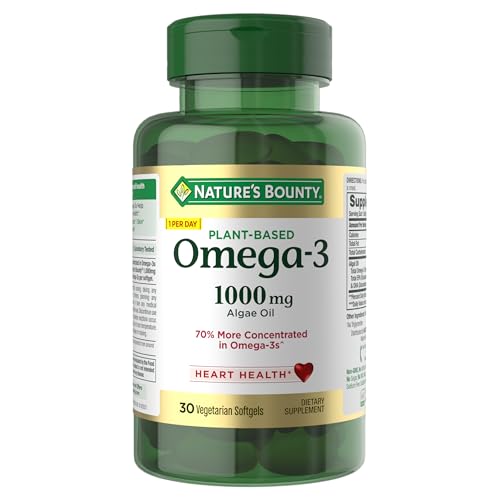
Nature's Bounty Omega 3, Plant-Based Omega 3 Fatty Acid Supplement, 520mg, Supports Whole Body Health Including Heart, Skin, Joint, 30 Vegetarian Softgels, Fish Oil Alternative
CONCENTRATED OMEGA-3 SUPPLEMENT (2) Each softgel delivers 1,000 mg of algae oil; providing 520 mg of omega-3 fatty…
As an affiliate, we earn on qualifying purchases.
As an affiliate, we earn on qualifying purchases.
Conclusion
Now that you understand plant-based omega-6 and the importance of balancing fatty acids, it’s clear how vital your diet is for overall health. Did you know that over 60% of Americans consume too much omega-6, which can lead to inflammation? By choosing foods like walnuts and chia seeds, you can help restore balance. Keep mindful of your intake and support your body’s wellness through smarter, more informed choices.

La Tourangelle, Roasted Walnut Oil, Plant-Based Source of Omega-3 Fatty Acid, Cooking, Baking, & Beauty, 16.9 Fl Oz
Chef's Secret Ingredient: Delicate and pale in color, La Tourangelle Roasted Walnut Oil provides a rich yet elusively…
As an affiliate, we earn on qualifying purchases.
As an affiliate, we earn on qualifying purchases.

Resilia Softgels with Black Seed Oil 6000mg – Organic Oregano Oil Capsules for Immune & Digestive Support – Non-GMO, Gluten-Free Softgels – Natural Herbal Wellness Supplement (60 Count)
IMMUNE & GUT SUPPORT: Resilia oil of oregano with black seed oil delivers 6000 mg per serving to…
As an affiliate, we earn on qualifying purchases.
As an affiliate, we earn on qualifying purchases.