To create high-protein vegan meals, focus on combining diverse plant-based sources like lentils, chickpeas, tofu, and quinoa to guarantee complete amino acid profiles. Use meal prep strategies such as batch-cooking and pre-portioned ingredients to save time and maintain consistency. Add flavor with layered textures and vegetables, and boost protein with powders like pea or hemp. Balancing these elements helps you meet your fitness goals—keep exploring for more tips!
Key Takeaways
- Combine diverse plant proteins like lentils, chickpeas, tofu, and quinoa for complete amino acid profiles.
- Batch-cook staples such as lentil stews and tofu stir-fries for quick, high-protein meals.
- Incorporate flavor and texture variety with roasted vegetables, tahini dressings, and protein-rich snacks.
- Use plant-based protein powders in smoothies and baked goods to effortlessly boost protein intake.
- Balance meals with complex carbs and healthy fats to support energy, recovery, and overall nutritional goals.
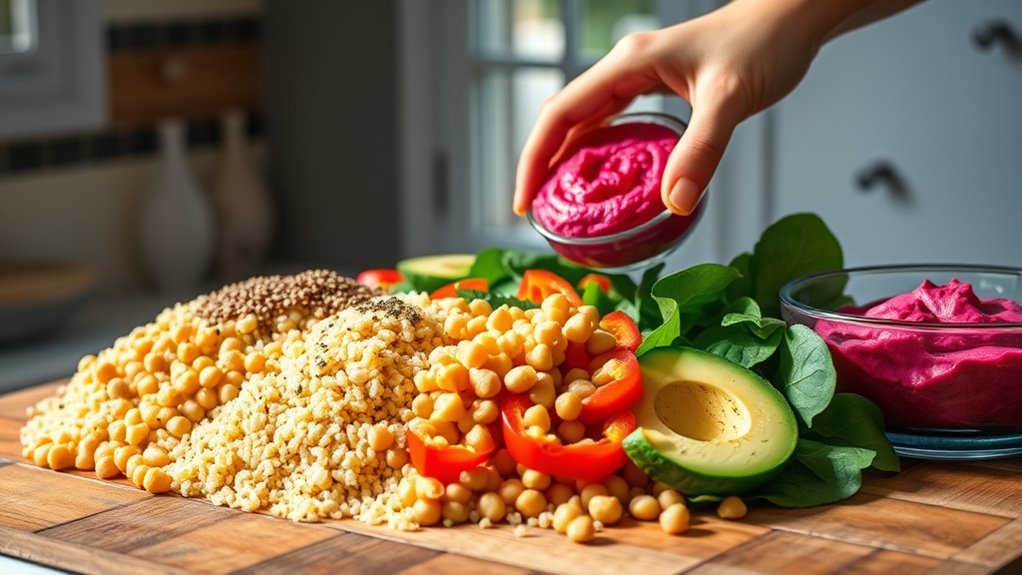
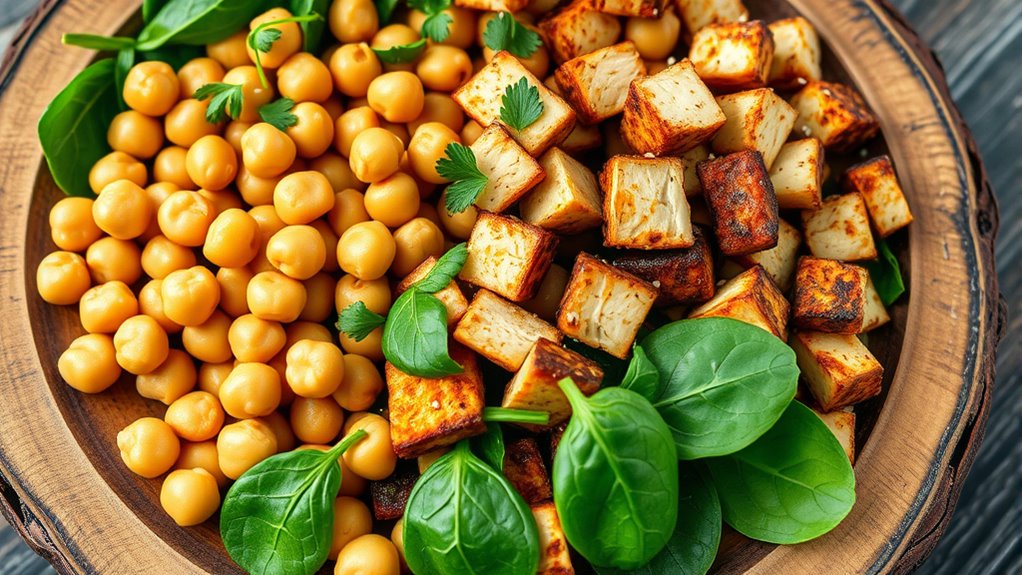
Start by focusing on diverse plant-based protein sources like lentils, chickpeas, tofu, tempeh, quinoa, edamame, and seitan. These foods are rich in protein and can be combined to create complete amino acid profiles, which are essential for muscle repair and growth. When prepping meals, batch-cook staples such as lentil stews, chickpea salads, or tofu stir-fries. Not only does this save time during busy weekdays, but it also ensures you have a reliable source of protein ready to go. Incorporate these ingredients into wraps, bowls, or grain-based salads, making each meal both nutritious and satisfying. Additionally, understanding your protein needs can help tailor your meal prep effectively to meet your fitness goals.
Meal prep tips for boosting your plant-based protein intake involve layering flavors and textures to keep your meals appealing. For example, cook a batch of quinoa and mix it with roasted chickpeas, diced vegetables, and a tangy tahini dressing. You can also prepare protein-rich snacks like roasted edamame or protein balls made from nuts, seeds, and dried fruit. By planning your meals in advance, you avoid last-minute decisions that might lead to less nutritious choices, and you can better control portion sizes to meet your daily protein goals.
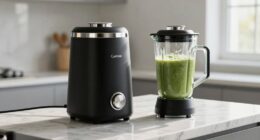
Another useful tip is to incorporate protein powders made from plant sources, such as pea, rice, or hemp protein, into smoothies or baked goods. These are convenient ways to boost your intake without much effort. When meal prepping, consider portioning out your protein powders into individual containers to streamline your morning routine. Remember, balancing your meals with complex carbs and healthy fats will help you stay energized and support your fitness objectives.

Organic Plant Based Protein Powder | Vegan Organic Protein Powder Vanilla Flavored with BCAA Amino Acids & Hemp Seed Pea Blend | Non-GMO Soy Dairy Filler & Gluten Free (Vanilla, 32 Servings)
Warrior Blend: Our organic vegan protein powder vanilla flavor is packed with muscle-nourishing amino acids and energizing medium…
As an affiliate, we earn on qualifying purchases.
As an affiliate, we earn on qualifying purchases.
Frequently Asked Questions
How Can I Ensure Complete Protein Intake on a Vegan Diet?
To guarantee complete protein intake on a vegan diet, you need to combine various plant-based amino acids thoughtfully. Don’t fall for vegan protein myths that suggest you can’t get all essential amino acids from plants. Incorporate diverse sources like beans, grains, nuts, and seeds throughout your day. This variety guarantees you receive all the essential amino acids, supporting your health and muscle maintenance naturally and effectively.
What Are the Best Plant-Based Protein Sources for Athletes?
To fuel your athletic performance, focus on legume varieties like lentils, chickpeas, and black beans, which pack a protein punch. Incorporate seed options such as chia, hemp, and pumpkin seeds to boost your intake. These plant-based sources provide essential amino acids and energy, helping you build muscle and recover faster. Mix and match these options in salads, smoothies, or snacks to optimize your vegan diet for athletic excellence.
How Do I Incorporate High-Protein Vegan Meals Into Weekly Meal Prep?
You can seamlessly incorporate high-protein vegan meals into your weekly meal prep by planning ahead and using meal prep containers. Start by selecting versatile recipes that offer recipe variation—think chickpea salads, tofu stir-fries, and lentil stews. Prepare large batches, divide them into containers, and store them for quick, nutritious meals. This approach keeps your diet exciting while ensuring you hit your protein goals consistently throughout the week.
Are There Any Vegan Protein Powders Suitable for Sensitive Stomachs?
Yes, you can find vegan protein powders suitable for sensitive stomachs. Look for options like pea protein, rice protein, or blended plant-based formulas that are gentle and easy to digest. To make your meals more appealing, try vegan snack ideas like energy balls or smoothies. Remember, many plant-based protein myths suggest all are harsh on digestion, but gentle options do exist, so experiment to find what works best for you.
How Do I Balance Protein With Other Nutrients in Vegan Meals?
Think of your meal as a colorful garden, where each nutrient is a vibrant flower. To balance protein with other nutrients, prioritize fiber intake by adding whole grains, legumes, and vegetables. Plan meal timing to evenly distribute protein throughout the day, nourishing your garden steadily. This approach guarantees your body gets a harmonious mix of nutrients, supporting digestion, energy, and overall health.
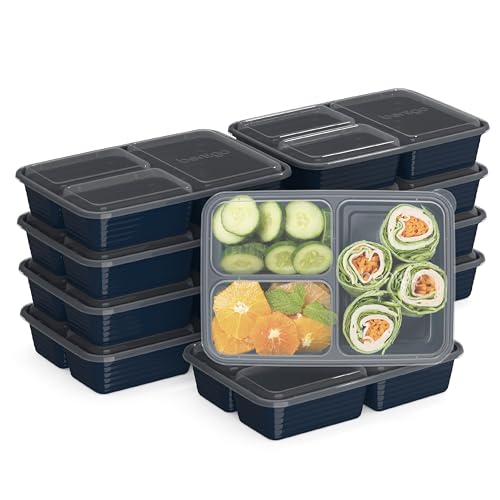
Bentgo Prep – 20-Piece 3-Compartment Reusable Meal Prep Containers with Lids, PFAS & BPA Free Materials, Durable, Microwave, Freezer, & Dishwasher Safe To Go Food Storage (Navy Blue)
#1 Brand Pick for Meal Prep Containers: Bentgo is the top pick for meal prep containers!* This lightweight,…
As an affiliate, we earn on qualifying purchases.
As an affiliate, we earn on qualifying purchases.
Conclusion
Now you’re armed with the ultimate secret to conquering even the most towering mountains of hunger—high-protein vegan meals that could fuel a marathon or power a small city! With these plant-based powerhouses, you’ll crush your nutrition goals so effortlessly, it’ll feel like you’ve unfastened a superpower. Say goodbye to weakness and hello to unstoppable energy. Get ready to become a vegan protein legend—nothing can stand in your way now!
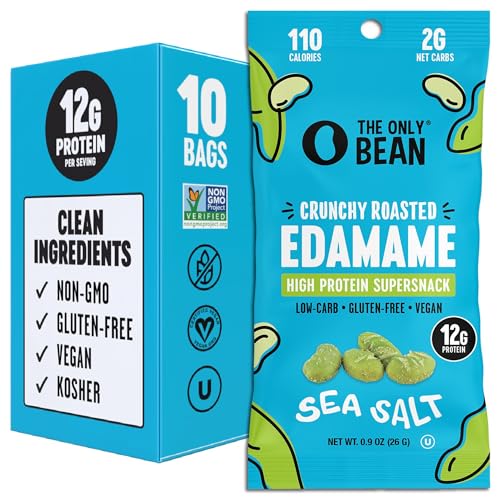
The Only Bean Crunchy Dry Roasted Edamame Snacks (Sea Salt), Healthy High Protein(11g) Keto Food, Low Carb Gluten Free Office Vegan Food 100 Calorie Snack Pack, 0.9oz 10 Pack
HIGH PROTEIN SUPER-SNACK: Packed with 11 grams of complete plant based protein in a convenient individual wrapped 100…
As an affiliate, we earn on qualifying purchases.
As an affiliate, we earn on qualifying purchases.

BeanVIVO 6-Pack Salad Protein Booster – Organic cooked Lentils & Quinoa with Garlic & Herbs, delivering a burst of taste and 10g of protein-packed goodness in every pouch 5oz
Organic Blend: BeanVIVO’s 6-Pack features an organic blend of lentils and quinoa, ensuring a healthy and natural addition…
As an affiliate, we earn on qualifying purchases.
As an affiliate, we earn on qualifying purchases.