

Eating seasonally means you align your vegan meals with what’s naturally available throughout the year, which benefits your health and the planet. By choosing fresh, local produce at peak ripeness, you enjoy enhanced flavor and nutrition while reducing your carbon footprint. This approach also supports sustainable farming and strengthens your community. If you want to learn how to incorporate more seasonal, eco-friendly, and delicious ingredients into your diet, there’s plenty more to explore.
Key Takeaways
- Incorporate seasonal produce like berries in summer and root vegetables in fall to maximize flavor and nutrition.
- Shop at local markets to access peak-season, locally grown vegan ingredients.
- Adjust meal planning to reflect seasonal crop availability, reducing reliance on out-of-season imports.
- Support sustainable farming practices by choosing seasonal, locally sourced plant foods.
- Celebrate seasonal flavors and textures to diversify vegan menus and enhance culinary enjoyment.

Have you ever wondered why eating seasonally can make such a difference? When you choose to align your meals with the natural harvest cycles, you’re not just enjoying fresher, tastier food—you’re also supporting sustainable farming practices. Seasonal eating encourages farmers to grow crops that thrive in their local climate, reducing the need for excessive water, chemical inputs, and energy-intensive methods. This approach helps preserve the environment and promotes biodiversity, making your food choices more eco-friendly. By shopping at local markets, you get access to a wide array of seasonal produce that’s typically harvested at peak ripeness, meaning it’s more flavorful and nutritious. When you buy directly from farmers or at local markets, you’re also cutting down on the carbon footprint associated with long-distance transportation, packaging, and storage. Embracing local food systems supports the resilience of local agriculture and helps to reduce environmental impact.
Eating seasonally supports sustainable farming and reduces your carbon footprint.
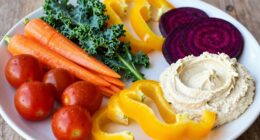
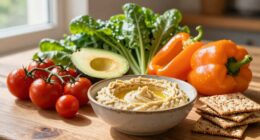
In terms of your vegan lifestyle, eating seasonally can introduce you to a diverse palette of plant-based foods throughout the year. For example, during spring, you might enjoy fresh asparagus, peas, and spinach, which are all at their peak. Summer could bring you ripe tomatoes, zucchinis, and berries, while fall offers hearty squash, apples, and root vegetables like carrots and beets. Winter might seem more limited, but you can still find hardy greens, Brussels sprouts, and winter squash that have been harvested at their best. By embracing these seasonal shifts, you naturally diversify your vegan meals, ensuring your diet remains interesting and nutrient-rich. This rotation not only supports your health but also reduces reliance on imported or out-of-season produce, which often involves more energy consumption and environmental impact.
Shopping at local markets is a game-changer because it puts you directly in touch with farmers who practice sustainable farming. You get firsthand knowledge about how your food is grown and can ask questions about their methods. This transparency helps you make more informed choices aligned with your values. Plus, supporting local farmers keeps money circulating within your community, strengthening local economies and encouraging more sustainable agricultural practices. When you buy seasonally, you’re also more likely to experiment with new vegetables and fruits, broadening your culinary horizons and deepening your connection to the land. It’s a simple yet impactful way to make your vegan meals more eco-conscious, flavorful, and aligned with the natural rhythms of the year.
Ultimately, eating seasonally isn’t just about what’s on your plate; it’s about fostering a deeper relationship with the environment, your community, and your health. It’s a mindful choice that benefits everyone—especially the planet—and it makes your vegan lifestyle more sustainable and fulfilling.

5 PCS Large Fruit Containers for Fridge – Leakproof Food Storage Containers with Removable Colander – Dishwasher & microwave safe Produce Containers Keep Fruits, Vegetables, Berry, Meat Fresh longer
5 packs : You will get 5 fridge storage containers with colander size from 300 ml to 4200…
As an affiliate, we earn on qualifying purchases.
As an affiliate, we earn on qualifying purchases.
Frequently Asked Questions
How Can I Find Local Seasonal Produce Year-Round?
You can find local seasonal produce year-round by visiting farmers’ markets and joining a community supported agriculture (CSA) program. Farmers’ markets often feature fresh, seasonal veggies and fruits, while CSAs provide you with weekly shares of local harvests. These options support local farmers and guarantee you get the freshest, most in-season produce, helping you enjoy vegan meals aligned with each season’s bounty.
Are Frozen or Canned Seasonal Foods as Nutritious?
Frozen or canned seasonal foods are like treasure chests—you may lose some nutrient retention and flavor preservation, but they still pack plenty of nutrition. They’re convenient and often just as healthy as fresh, especially when fresh isn’t available. While some water-soluble vitamins might diminish, you still get essential nutrients. So, don’t hesitate to include them in your vegan meals—they’re a practical way to enjoy seasonal flavors year-round.
How Do I Adapt Seasonal Vegan Recipes for Allergies?
To adapt seasonal vegan recipes for allergies, you should focus on allergy-friendly substitutions and seasonal recipe modifications. Swap out common allergens like nuts, soy, or gluten with safe alternatives such as seeds, coconut aminos, or gluten-free grains. Adjust ingredients to suit your allergy needs while maintaining the recipe’s seasonal essence. Always read labels carefully and experiment with small batch modifications to guarantee safety and deliciousness.
Can Seasonal Eating Reduce My Grocery Costs?
Think of seasonal eating as a treasure map guiding you to cost savings. By focusing on in-season produce, you’ll reduce grocery expenses and simplify meal planning. Fresh, local ingredients are often cheaper and more nutritious, meaning you get more bang for your buck. Embrace the rhythm of the seasons, and you’ll find that your grocery bill drops while your meals become more vibrant and flavorful.
What Are the Best Storage Tips for Seasonal Produce?
To store seasonal produce effectively, use proper storage techniques like refrigeration, crisper drawers, or root cellar storage for longer preservation. Wrap delicate items in paper towels to absorb moisture, while airtight containers work well for cut produce. Preservation methods like freezing or pickling help extend freshness. Keep fruits and vegetables at ideal temperatures to prevent spoilage, and regularly check stored items to use what’s perishing soon.

Whole Foods Market, Reusable Shopping Bag, Grocery Tote, 7 Gallon
7 gallon large reusable shopping bag
As an affiliate, we earn on qualifying purchases.
As an affiliate, we earn on qualifying purchases.
Conclusion
Just like a gardener tending to their plants, you nurture your body by eating with the seasons. When you choose seasonal vegan meals, you’re guiding your health and the planet through a harmonious cycle, much like the changing seasons themselves. Embrace this rhythm, and you’ll find your energy blooms and your impact shrinks. Remember, each bite is a step in the ongoing dance of nature—so stay in tune and let your plate reflect the world’s beautiful ebb and flow.

Plants Taste Better: Delicious plant-based recipes from root to fruit
As an affiliate, we earn on qualifying purchases.
As an affiliate, we earn on qualifying purchases.

Capital City Fruit Gourmet Fresh Mixed Fruit Gift Box (32 Piece)
FRUIT IS WHAT WE DO – For over 75 years, our family-owned business has prided ourselves on sourcing…
As an affiliate, we earn on qualifying purchases.
As an affiliate, we earn on qualifying purchases.