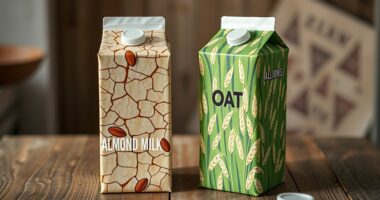


Sustainable vegan fashion uses plant-based materials like cork, pineapple fiber, mushroom leather, and recycled plastics to reduce environmental harm and avoid animal products. Production focuses on ethical practices, fair labor, and transparency in supply chains, ensuring responsible sourcing. By choosing these options, you support eco-friendly and compassionate brands that prioritize both planetary health and animal welfare. To explore how these elements come together for a more sustainable wardrobe, keep exploring the options available.
Key Takeaways
- Vegan fashion utilizes eco-friendly materials like cork, Piñatex, mushroom leather, and recycled plastics to reduce environmental impact.
- Sustainable production emphasizes fair labor practices, transparency, and minimized ecological footprint throughout the supply chain.
- Ethical sourcing ensures responsible farming, renewable energy use, and fair wages, promoting humane and environmentally conscious practices.
- Choosing vegan and sustainable fashion supports industry-wide change, reducing reliance on animal exploitation and harmful tanning processes.
- Additional practices like efficient storage and informed purchasing further promote longevity, responsible consumption, and environmental stewardship.
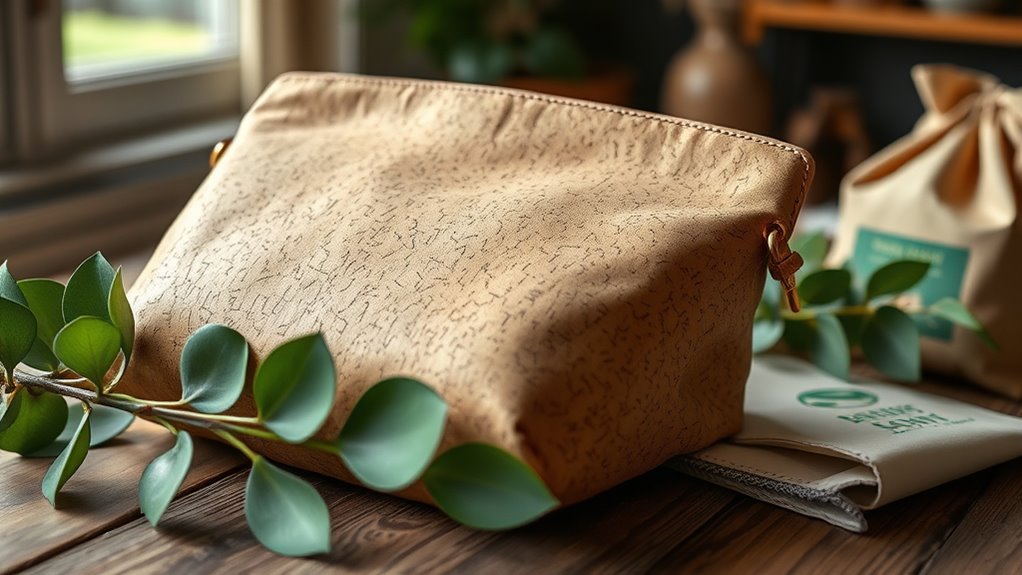
As awareness of environmental and ethical issues grows, vegan fashion has emerged as a sustainable alternative to traditional clothing. You’re likely noticing more brands offering products made from vegan leather alternatives, which are designed to mimic the look and feel of real leather without the environmental or ethical concerns. These innovative materials include plant-based options like cork, pineapple fiber (Piñatex), mushroom leather, and recycled plastics. They provide a cruelty-free, eco-friendly substitute that reduces reliance on animal products and minimizes environmental harm. When you choose vegan leather alternatives, you’re supporting a shift towards more sustainable production methods, but it’s also vital to contemplate the ethical supply chains behind these products. Ethical supply chains ensure that every step—from raw material sourcing to manufacturing—upholds fair labor practices, minimizes environmental impact, and promotes transparency. Brands committed to ethical supply chains often publish detailed information about their sourcing processes, so you can make informed choices. This transparency helps you avoid supporting companies that cut corners or exploit workers.
By opting for vegan fashion that emphasizes ethical supply chains, you’re contributing to a system that values social responsibility just as much as environmental sustainability. You might notice that many responsible brands source their vegan leather alternatives from suppliers who prioritize sustainable farming practices, renewable energy, and fair wages. This approach not only benefits the planet but also improves the lives of workers involved in the supply chain. Supporting such brands encourages industry-wide change, pushing other companies to adopt more ethical and sustainable practices. It’s worth doing a little research to understand where your clothing comes from—look for certifications or company statements that highlight their commitment to ethical sourcing. When you choose products made through transparent supply chains, you’re actively reducing the risk of supporting unethical practices like child labor, unsafe working conditions, or environmental degradation. Additionally, incorporating vertical storage solutions or multi-functional furniture into your wardrobe organization can further enhance your commitment to sustainable living by reducing clutter and promoting longevity of your belongings.
In the end, your choices matter. By favoring vegan leather alternatives and brands that prioritize ethical supply chains, you’re helping drive demand for more sustainable, humane, and responsible fashion. This shift not only reduces the environmental footprint of your wardrobe but also encourages the fashion industry to adopt more sustainable practices. It’s about making conscious decisions that align with your values, knowing that your purchasing power can influence positive change. The movement toward vegan fashion sustainability isn’t just about avoiding animal products—it’s about fostering a more ethical and environmentally aware industry. Every time you select a product with these principles in mind, you’re contributing to a future where fashion respects both people and the planet.
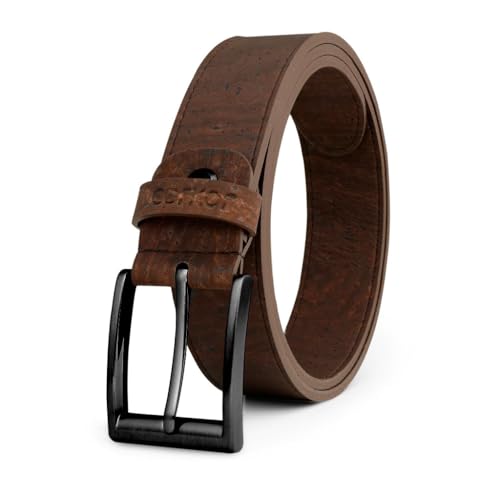
Corkor Men's Cork Belt – Vegan Leather Alternative, 1.38" Casual Strap with Black or Silver Buckle, Non-Leather, Gift Ready
Vegan & Plastic-Free – Crafted with cork and plant-based materials—completely animal- and plastic-free
As an affiliate, we earn on qualifying purchases.
As an affiliate, we earn on qualifying purchases.
Frequently Asked Questions
How Can Consumers Verify the Sustainability Claims of Vegan Fashion Brands?
You can verify a vegan fashion brand’s sustainability claims by checking for consumer transparency and third-party verification. Look for clear information on their sourcing, production practices, and ethical standards. Trusted certifications or labels from independent organizations help confirm their sustainability efforts. Don’t hesitate to ask questions or research reviews—being informed guarantees you support genuinely ethical and eco-friendly brands.
Are There Any Hidden Environmental Impacts in Vegan Leather Production?
Yes, there are hidden environmental impacts in vegan leather production. You might not realize that chemical runoff from processing can pollute waterways, harming ecosystems. Additionally, resource depletion occurs because some vegan leathers rely on intensive agricultural inputs or energy-heavy manufacturing processes. These impacts can counteract some of the sustainability benefits, so it’s important to research brands’ sourcing and production methods thoroughly before supporting them.
How Do Vegan Fashion Brands Ensure Fair Labor Practices?
You might wonder if vegan brands truly prioritize fair labor practices. They often do by ensuring ethical sourcing and maintaining labor transparency throughout their supply chains. These brands typically audit factories, partner with certified suppliers, and openly share their labor policies. By actively promoting transparency, they hold themselves accountable and build trust with consumers who value ethical treatment of workers in the production process.
What Certifications Indicate Genuine Sustainability in Vegan Fashion?
You should look for certifications like Fair Trade, GOTS, and B Corp, which indicate genuine sustainability in vegan fashion. These eco label standards verify your clothing is made from sustainable sourcing, with fair labor practices and environmentally friendly processes. When shopping, check for these labels to guarantee you’re supporting brands committed to ethical production, eco-conscious materials, and transparent supply chains. They’re your best indicators of authentic sustainability.
Can Vegan Fashion Truly Be Eco-Friendly at Scale?
Yes, vegan fashion can be eco-friendly at scale if you prioritize supply chain transparency and sustainable material sourcing. By choosing brands that openly share their production processes and source eco-conscious materials, you reduce environmental impact. While challenges remain, supporting companies committed to ethical practices helps promote large-scale sustainability. Your choices matter, and advocating for transparency encourages the industry to adopt more eco-friendly, scalable vegan fashion solutions.
sustainable vegan fashion brands
As an affiliate, we earn on qualifying purchases.
As an affiliate, we earn on qualifying purchases.
Conclusion
As you explore vegan fashion, remember that choosing sustainable materials can reduce environmental impact markedly—up to 90% less water use compared to traditional leather. By supporting ethical production, you help promote fair labor practices and animal welfare. Every small choice counts, and your commitment to eco-friendly fashion can inspire others. Embrace sustainable practices, knowing you’re part of a movement that’s shaping a more compassionate and eco-conscious future for the planet and its inhabitants.

Wooflinen Unscented Compostable Dog Poop Bags – Leak-Proof Dog Poop Bags Rolls – Large 9×13”, Durable, Easy Tear – Made from Plant-Based Materials – For Big & Small Dogs – 240 Bags (16 Rolls)
Extra Strong, Extra Room: Our thick poop bags for dogs are large enough to handle even the biggest…
As an affiliate, we earn on qualifying purchases.
As an affiliate, we earn on qualifying purchases.

BBORGDC Small Wristlet Wallet For Women, Vegan Leather Clutch Purse, Taupe Boho Original Design, 3-Zip Pockets, Perfect For Walk, Travel, Daily Commute, Gift For Girls
Stylish Wallet Women Love -> Original boho clutch-> Our handmade vegan leather wristlet features 3 zippers & gunmetal…
As an affiliate, we earn on qualifying purchases.
As an affiliate, we earn on qualifying purchases.