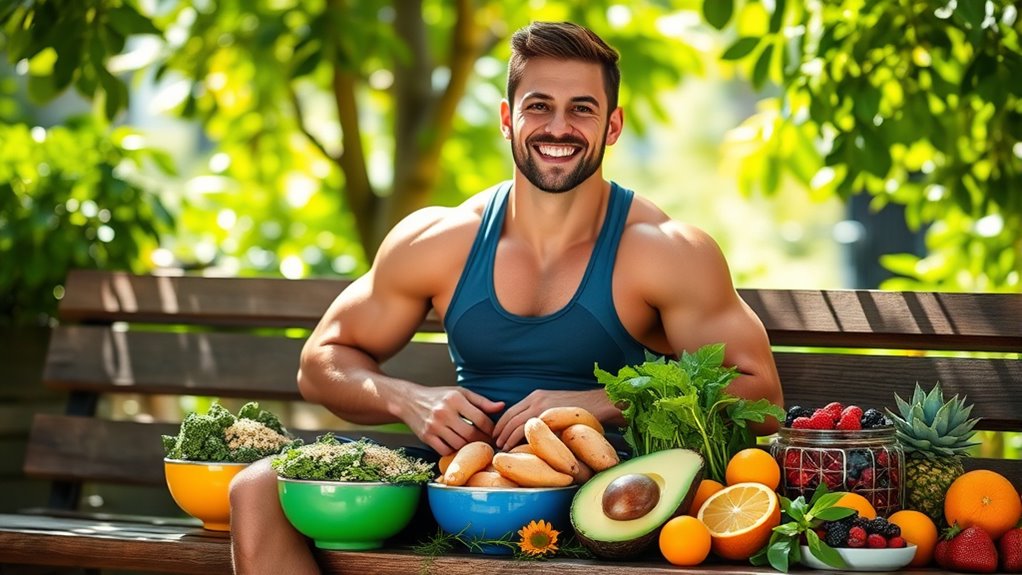
To optimize athletic recovery on a vegan diet, focus on consuming diverse plant proteins like lentils, tofu, and quinoa to guarantee complete amino acids. Pair iron-rich foods such as spinach and legumes with vitamin C sources like citrus and peppers to boost absorption. Include omega-3s from flaxseeds and antioxidants from berries to reduce inflammation and oxidative stress. Prioritize hydration through water-rich plant foods. Keep these strategies in mind, and you’ll discover more ways to enhance your recovery success.
Key Takeaways
- Incorporate diverse plant proteins like lentils, tofu, and quinoa to ensure complete amino acid intake for muscle repair.
- Pair plant-based iron sources with vitamin C-rich foods to enhance iron absorption and support energy levels.
- Include omega-3-rich foods and antioxidant-packed fruits and vegetables to reduce inflammation and oxidative stress.
- Prioritize hydration through water-rich plant foods to improve circulation, nutrient delivery, and muscle recovery.
- Use nutrient-dense, varied plant foods consistently to optimize recovery, reduce soreness, and maintain athletic performance.
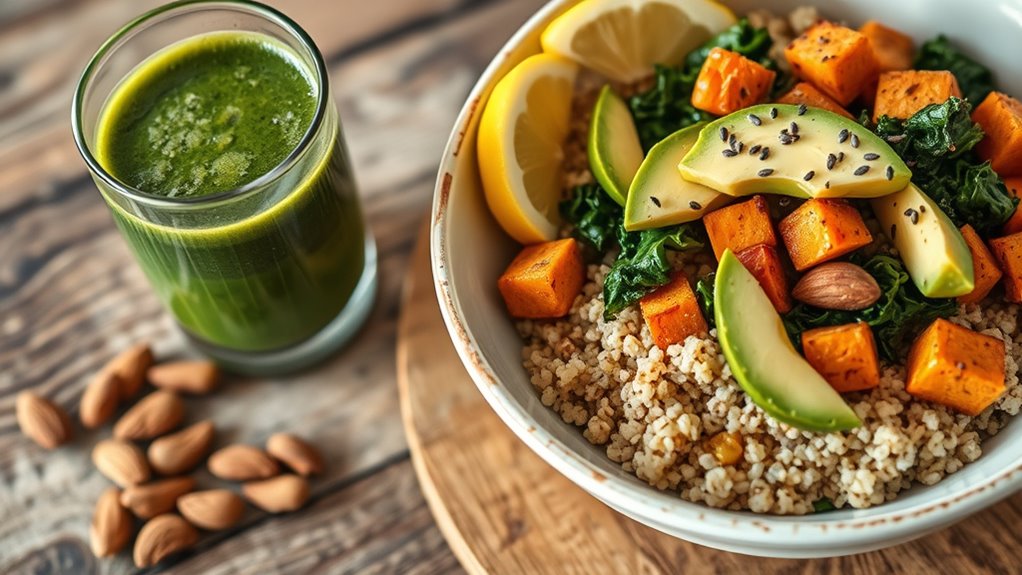
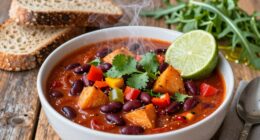
Adopting a vegan diet can support athletic recovery by providing essential nutrients that help repair muscles and reduce inflammation. One of the most important aspects of this is making sure you get enough plant-based proteins. Unlike animal proteins, which are complete sources of amino acids, plant-based proteins may require combining different foods to meet your body’s needs. Incorporate a variety of sources like lentils, chickpeas, tofu, tempeh, quinoa, and nuts into your meals. These foods not only supply the amino acids necessary for muscle repair but also keep your energy levels steady, helping you bounce back faster after workouts. Consuming a diverse range of plant proteins ensures you’re covering all the essential amino acids your body needs to rebuild tissues and reduce recovery time.
Iron absorption is another critical factor in athletic recovery. Plant-based sources of iron, such as spinach, legumes, pumpkin seeds, and fortified cereals, are rich but contain non-heme iron, which isn’t absorbed as efficiently as the heme iron found in animal products. To maximize iron absorption from plant foods, pair them with vitamin C-rich options like bell peppers, citrus fruits, or tomatoes. This combination considerably boosts iron uptake, helping prevent deficiencies that could impair your energy levels and slow recovery. Being mindful of your iron intake and absorption is especially crucial if you’re training intensely or for extended periods, as iron plays a key role in oxygen transport within your blood, directly affecting endurance and recovery.
In addition to focusing on plant proteins and iron, you should also pay attention to other nutrients that support recovery. Omega-3 fatty acids from flaxseeds, chia seeds, walnuts, and algae supplements can help reduce inflammation and promote healing. Including antioxidant-rich foods like berries, dark leafy greens, and brightly colored vegetables helps combat oxidative stress caused by intense training, further aiding in faster recovery. Hydration is equally important; plant-based diets tend to be high in water-rich foods, which can help maintain fluid balance and improve circulation, speeding up nutrient delivery to muscles.
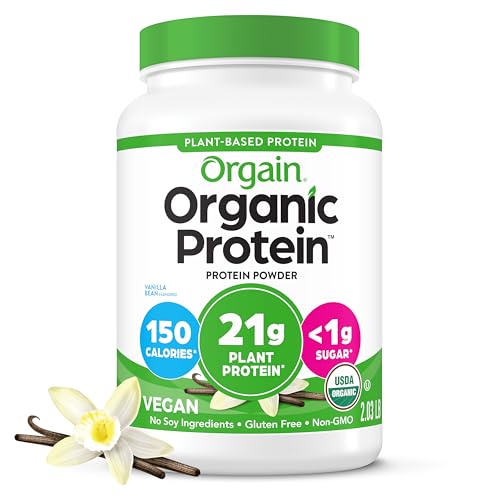
Orgain Organic Vegan Protein Powder, Vanilla Bean – 21g Plant Protein, 6g Prebiotic Fiber, No Lactose Ingredients, No Added Sugar, Non-GMO, For Shakes & Smoothies, 2.03 lb (Packaging May Vary)
CLEANER INGREDIENTS: 21g of Organic plant based protein and 1g sugar. Our protein blend contains Organic peas, brown…
As an affiliate, we earn on qualifying purchases.
As an affiliate, we earn on qualifying purchases.
Frequently Asked Questions
Can Vegans Meet All Their Protein Needs for Recovery?
Yes, you can meet all your protein needs for recovery on a vegan diet. Focus on consuming a variety of plant-based proteins like beans, lentils, and tofu to get a complete amino acid profile. Incorporate amino acid supplementation if needed, especially for essential amino acids that might be less abundant in some plant sources. This approach guarantees you support muscle repair and recovery effectively.
How Do Vegans Prevent Iron Deficiency After Workouts?
To prevent iron deficiency after workouts, you should focus on boosting iron absorption by consuming vitamin C-rich foods alongside your plant-based iron sources. Incorporate foods like citrus fruits, bell peppers, and tomatoes. Additionally, consider plant-based fortification options, such as iron-enriched cereals and plant milks, to guarantee adequate iron intake. These strategies help your body absorb more iron, supporting recovery and preventing deficiency.
Are Plant-Based Supplements Effective for Athletic Recovery?
Plant-based supplements, particularly plant-based protein and recovery supplements, can be quite effective for athletic recovery. They deliver essential vitamins, minerals, and amino acids that help repair muscles and restore energy. You can confidently choose these supplements to support your training, as they often contain antioxidants and anti-inflammatory compounds that reduce soreness. By incorporating quality plant-based options, you optimize your recovery process, ensuring you stay strong, steady, and prepared for your next workout.
How Can Vegans Optimize Carbohydrate Intake for Energy?
To optimize your carbohydrate intake for energy, focus on choosing high-quality carbs with a balanced glycemic index to sustain your energy levels. Incorporate carb timing by eating complex carbs before workouts for endurance and simple carbs afterward for quick recovery. Make sure to include a variety of whole grains, fruits, and vegetables in your diet. Staying consistent with your intake helps maintain stable blood sugar and maximizes your athletic performance.
What Are the Best Vegan Sources of Omega-3s for Athletes?
Seaweed snacks are a powerhouse of omega-3s, containing more than you might imagine, making them an excellent choice for athletes. Chia pudding is another fantastic source, packed with plant-based omega-3s that support recovery. Incorporate these into your diet regularly, and you’ll harness the incredible benefits of omega-3s, boosting your performance and recovery. These simple, tasty options guarantee you’re fueling your body with essential nutrients every day.
vegan iron supplement with vitamin C
As an affiliate, we earn on qualifying purchases.
As an affiliate, we earn on qualifying purchases.
Conclusion
Remember, you are what you eat, so fueling your body with the right nutrients is key to athletic recovery. Embrace plant-based sources of protein, healthy fats, and essential vitamins to optimize your performance. Stay consistent with your recovery techniques and listen to your body’s needs. As the saying goes, “Rome wasn’t built in a day,” so patience and dedication will help you reach your goals faster. Keep pushing forward—you’re stronger than you think!
vegan omega-3 supplement flaxseed
As an affiliate, we earn on qualifying purchases.
As an affiliate, we earn on qualifying purchases.
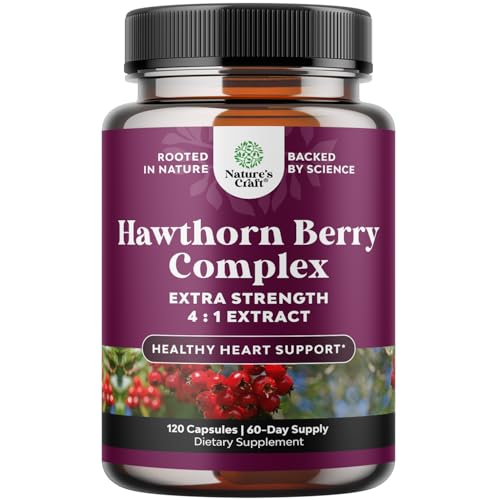
High Strength Hawthorn Berry Capsules – Pure Antioxidant Hawthorn Berry Supplement with Leaf & Flower Extract 4:1 for Healthy Heart & Digestion – Energy Support for Men & Women – 120 Count Pack
SUPPORT YOUR HEALTHY HEART – Our high-potency hawthorne berry supplement is designed to promote cardiovascular health, circulation &…
As an affiliate, we earn on qualifying purchases.
As an affiliate, we earn on qualifying purchases.