
To guarantee you get all essential vitamins and minerals on a vegan diet, focus on including leafy greens, legumes, whole grains, nuts, and seeds. Incorporate fortified foods for vitamin B12 and D, and consider supplements for nutrients like omega-3s, iron, and zinc, which can be less bioavailable from plants. Regular health check-ups can help spot deficiencies early. Keep exploring for more detailed strategies to maintain a balanced, nutrient-rich vegan lifestyle.
Key Takeaways
- Incorporate a variety of plant-based foods like leafy greens, legumes, whole grains, nuts, and seeds to cover essential micronutrients.
- Use fortified foods and targeted supplements for nutrients difficult to obtain from plants, such as vitamin B12 and vitamin D.
- Consume sun exposure and fortified foods to maintain adequate vitamin D levels, especially in low sunlight regions.
- Regularly monitor health with blood tests to detect and address potential micronutrient deficiencies early.
- Consider omega-3 supplements (algae oil) to ensure sufficient EPA and DHA intake for optimal brain and heart health.
Are you confident you’re getting all the essential micronutrients on a vegan diet? It’s a common concern, but with the right approach, you can meet your nutritional needs effectively. The key is understanding the best plant-based sources for each vitamin and mineral, along with strategic supplementation when necessary. Many micronutrients like vitamin B12, iron, zinc, calcium, vitamin D, and omega-3 fatty acids are either less abundant or less bioavailable in plant foods, so knowing how to optimize your intake is *crucial*.
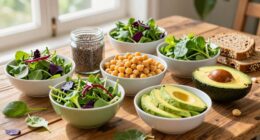
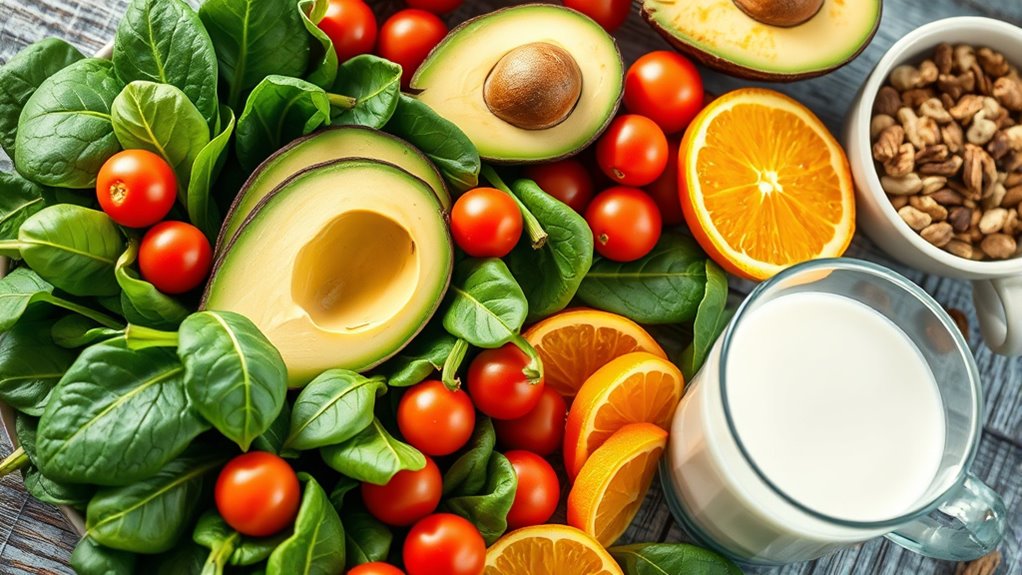
Start by focusing on diverse plant-based sources. Leafy greens like spinach, kale, and collard greens offer calcium and iron, while legumes such as lentils, chickpeas, and beans are rich in iron and zinc. Whole grains like oats, quinoa, and brown rice serve as good sources of magnesium and some B vitamins. Nuts and seeds, especially chia seeds, flaxseeds, and pumpkin seeds, provide healthy fats, zinc, and magnesium. For vitamin B12, which is almost exclusively found in animal products, you’ll need to rely on fortified foods or supplements. Fortified plant milks, breakfast cereals, and nutritional yeast are excellent options that can help fill this gap.
Supplement strategies are an *essential* part of a well-rounded vegan diet. Since certain nutrients are challenging to obtain solely from plants, taking targeted supplements can prevent deficiencies. Vitamin B12 supplementation is non-negotiable, as deficiency can lead to neurological issues and anemia. Consider a daily B12 supplement or fortified foods to *guarantee* adequate intake. Vitamin D, especially in winter months or less sunny climates, may also require supplementation, as plant sources are limited to fortified foods and sun exposure. Omega-3 fatty acids, important for brain and heart health, can be supplemented with algae oil capsules, which provide EPA and DHA—forms easily used by your body.
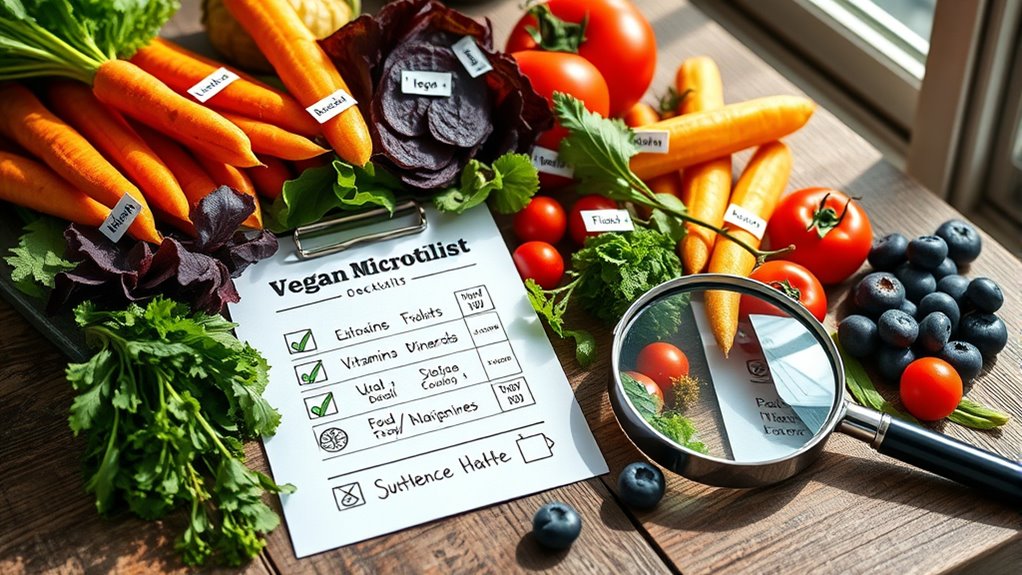
Monitoring your micronutrient intake is *vital*. Regular blood tests can alert you to potential deficiencies before symptoms develop. If you notice fatigue, muscle weakness, or other health issues, consult a healthcare professional to adjust your supplement strategies accordingly. Remember, balancing a plant-based diet with thoughtful supplementation and a focus on diverse plant-based sources ensures you cover all your micronutrient bases. With a little planning, you can enjoy the benefits of a vegan lifestyle without sacrificing your nutritional health.
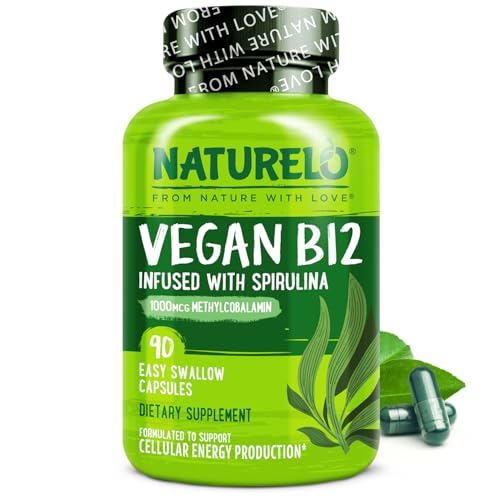
NATURELO Vegan B12 – Methyl B12 with Organic Spirulina – High Potency Vitamin B12 1000 mcg Methylcobalamin – Supports Healthy Mood, Energy, Heart & Eye Health – 90 Capsules
VEGAN-FRIENDLY: Vegans and vegetarians are often lacking B12 because of a lack of plant-based food sources. Our vegan…
As an affiliate, we earn on qualifying purchases.
As an affiliate, we earn on qualifying purchases.
Frequently Asked Questions
How Can Vegans Improve Iron Absorption From Plant Sources?
To improve iron absorption from plant sources, you should consume vitamin C-rich foods like citrus, bell peppers, or tomatoes alongside iron-rich plant foods. Avoid plant-based inhibitors like tea, coffee, and calcium-rich foods during iron-rich meals, as they can hinder absorption. Cooking methods such as soaking, fermenting, or sprouting grains and legumes also help reduce inhibitors, making iron more bioavailable and boosting your absorption.
Are There Specific Supplements Recommended for Vegans?
Thinking you can survive on spinach alone? Think again! For vegans, supplement considerations like B12, D, and omega-3s are essential. You should consult a healthcare professional for personalized advice, but generally, fortified foods or supplements help guarantee proper nutrient absorption strategies. Don’t leave your health to chance—opt for targeted supplements to fill the gaps and keep your vegan journey thriving and nutrient-rich!
How Do Vegans Ensure Adequate B12 Intake?
To guarantee adequate B12 intake, you should focus on vegan supplementation, as B12 absorption can be compromised if you rely solely on plant-based foods. Take a daily or weekly B12 supplement, which is widely recommended for vegans. You can also consume fortified foods like plant milks and cereals. Regularly monitoring your B12 levels helps prevent deficiency, securing your body absorbs enough for ideal health.
Can Plant-Based Diets Meet All Calcium Requirements?
Yes, plant-based diets can meet all calcium requirements. You can incorporate plant-based calcium sources like leafy greens, tofu, and fortified foods. Vegan dairy alternatives, such as fortified plant milks and yogurts, also provide adequate calcium. Make certain you consume a variety of these options daily, and check product labels to confirm calcium content. This way, you support your bone health without relying on animal-derived sources.
What Are Signs of Micronutrient Deficiencies in Vegans?
Spotting subtle signs of nutrient deficiency can save your health. You might notice fatigue, flaky skin, or fragile nails, signaling a potential problem. Dizziness, dizziness, or difficulty concentrating are clues that your body isn’t getting enough essential vitamins or minerals. Recognize these symptoms early, and you can adjust your diet accordingly. Staying vigilant with symptom recognition helps prevent serious deficiencies, keeping your body balanced and vibrant.

Vegan Omega 3 Algae Oil | Plant Based DHA EPA | Sustainably Sourced, No Carrageenan, Non GMO | Heart, Brain, and Eye Health | Fish Oil Alternative | Algae Omega 3 Supplement | 60 Softgel Capsules
VEGAN OMEGA 3 SUPPLEMENT: Our Algae Oil Omega 3 supplement contains a high 550mg of essential plant-based Omega-3…
As an affiliate, we earn on qualifying purchases.
As an affiliate, we earn on qualifying purchases.
Conclusion
By following this vegan micronutrient checklist, you’re basically opening the secret vault to perfect health. Neglecting these essential vitamins and minerals is like trying to build a skyscraper on a shaky foundation—utterly impossible. Prioritize your nutrient intake, and you’ll not only survive but thrive at an extraordinary level. Embrace this guide, and you’ll transform your well-being into a powerhouse of vitality—making ordinary health look like a mere shadow of your vibrant, unstoppable self.

PLANTSTRONG MILK Unsweetened Almond – Whole Plant-Based Milk, Fortified with Calcium, B12 & D3, No Gums or Oils, Non-GMO Project Verified, Gluten Free, Vegan (6-Pack (32 Fl Oz Each)) + Recipe Guide
WHOLE-ALMOND, CLEAN FLAVOR: Made using every part of the almond (except the shells) for more of the good…
As an affiliate, we earn on qualifying purchases.
As an affiliate, we earn on qualifying purchases.

Nature's Truth Iron Gummies | 60 Count | Vegan, Non-GMO & Gluten Free Supplement | with Zinc & B Vitamins | Grape Flavor
ESSENTIAL MINERAL: Receive 18 mg of high potency Iron per serving plus B-vitamins and Zinc
As an affiliate, we earn on qualifying purchases.
As an affiliate, we earn on qualifying purchases.