Plant-based sources like algae and seeds efficiently meet your vegan omega-3 needs by naturally producing essential fatty acids such as ALA, EPA, and DHA through optimized lipid biosynthesis. These sources are sustainable, renewable, and free from environmental toxins, making them eco-friendly alternatives to fish. With growing popularity in supplements and whole foods, they provide an accessible way to guarantee adequate intake. Keep exploring to discover how these plant sources can support your health and sustainability goals.
Key Takeaways
- Plants like flaxseed, chia, and hemp are rich in ALA, an omega-3 fatty acid suitable for vegans.
- Algae naturally produce EPA and DHA, direct sources of omega-3s for plant-based diets.
- Lipid biosynthesis in plants and algae enables sustainable, eco-friendly omega-3 production without fish.
- Vegan omega-3 supplements often derive from algae, offering a cruelty-free alternative to fish oils.
- Ongoing research aims to enhance plant lipid biosynthesis, increasing omega-3 yields for affordable, sustainable vegan sources.
Omega-3 fatty acids are essential nutrients that support your heart, brain, and overall health. When you look for plant-based sources, you’re tapping into a sustainable way to meet your nutritional needs without relying on fish or animal products. One key aspect to understanding how these nutrients are made in plants involves lipid biosynthesis, the process by which plants produce lipids, including omega-3 fatty acids. During lipid biosynthesis, plants convert their internal resources into fatty acids, primarily alpha-linolenic acid (ALA), an omega-3 fatty acid prevalent in seeds and certain algae. This process allows plants to create these beneficial fats naturally, making them a reliable source for vegans and vegetarians alike.
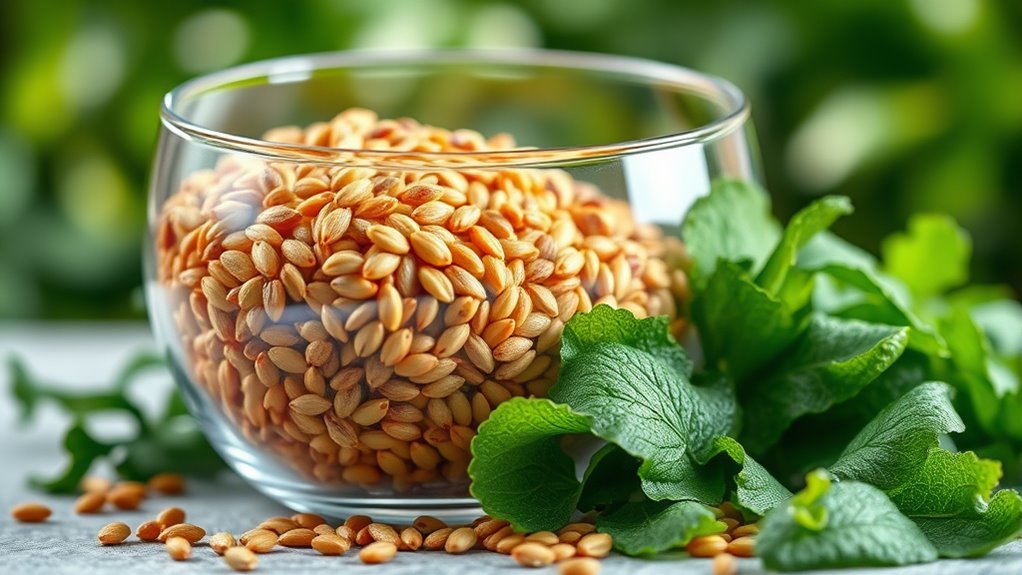
Plant-based sourcing of omega-3s revolves around seeds like flaxseed, chia, and hemp, which are rich in ALA. These seeds are incredibly efficient at producing and storing lipids through lipid biosynthesis, meaning they contain significant amounts of omega-3s that your body can convert into the longer-chain EPA and DHA, albeit at limited efficiency. Algae also play an integral role in plant-based sourcing; in fact, many of the omega-3 supplements on the market are derived from algae rather than fish. Algae naturally synthesize omega-3 fatty acids through their own lipid biosynthesis processes, often producing EPA and DHA directly, making them an excellent direct source for your diet. Additionally, research into lipid biosynthesis in plants continues to uncover new ways to optimize omega-3 production, promising even more sustainable options in the future.
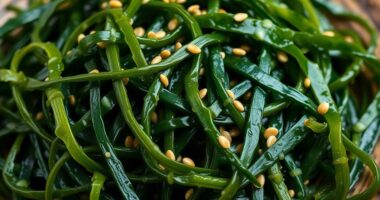
Seeds like flax, chia, hemp, and algae are rich in omega-3s produced through plant lipid biosynthesis.
By choosing plant-based sources like seeds or algae, you’re supporting a sustainable and eco-friendly approach to obtaining omega-3s. Unlike fish, which can be overfished and impacted by environmental toxins, these plant sources are renewable and free from contaminants. Their lipid biosynthesis pathways are naturally optimized for producing omega-3s, ensuring that you’re getting a nutritious, clean source of these essential fats. Incorporating flaxseed, chia, hemp, or algae-based supplements into your diet can help you meet your omega-3 requirements without compromising your vegan principles.
Furthermore, the process of lipid biosynthesis in plants is efficient enough that it allows for large-scale cultivation of omega-3-rich seeds and algae. This means plenty of options for supplementing your diet with vegan omega-3s, whether through whole foods or fortified products. As research advances, the methods to optimize plant-based sourcing and lipid biosynthesis continue to improve, making these options more accessible and affordable. Ultimately, by understanding how plants produce omega-3s, you can confidently choose sustainable, plant-based sources to support your health and align with your ethical values.
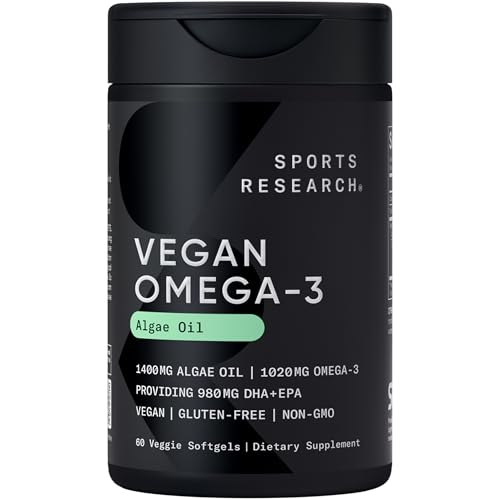
Sports Research Vegan Omega-3 Fish Oil Alternative from Algae Oil – Highest Levels of Vegan DHA & EPA Fatty Acids | Non-GMO Tested & Vegan Certified – 60 Veggie Softgels (Carrageenan Free)
VEGAN OMEGA 3 | Sourced from sustainable Algae Oil providing 770mg of heart healthy Omega-3's per serving.
As an affiliate, we earn on qualifying purchases.
As an affiliate, we earn on qualifying purchases.
Frequently Asked Questions
Are Algae-Based Omega-3 Supplements Suitable for Children?
Yes, algae-based omega-3 supplements can be suitable for children when you follow pediatric dosage guidelines. It’s important to take into account their taste preferences, as some kids might find the flavor less appealing, so look for options with added flavoring or mix-ins. Always consult a healthcare professional before giving supplements to children, ensuring the dosage is appropriate and safe for their age and developmental stage.
How Do Plant-Based Omega-3 Sources Compare in Absorption to Fish Oil?
You might worry plant-based omega-3s aren’t absorbed as well as fish oil, but studies show their absorption efficiency and omega-3 bioavailability are quite comparable. While fish oil naturally contains EPA and DHA, algae and seed sources provide these as well, often in highly bioavailable forms. So, if you’re concerned about absorption, rest assured that plant-based omega-3s can effectively meet your needs without sacrificing bioavailability or health benefits.
Can Vegans Meet All Omega-3 Needs Without Supplements?
Yes, you can meet all your omega-3 needs with plant-based omega-3 sources, but it requires careful planning for nutritional completeness. Incorporate foods like flaxseeds, chia seeds, walnuts, and algae oils to get enough EPA and DHA. While supplements can help, a well-rounded diet ensures you get sufficient omega-3s naturally. Just stay mindful of your intake to maintain ideal health and nutritional balance.
Are There Any Side Effects From Consuming Algae or Seed-Derived Omega-3s?
Consuming algae or seed-derived omega-3s can sometimes cause allergic reactions or digestive issues, especially if you’re sensitive to certain ingredients. You might experience mild symptoms like bloating, gas, or skin rashes. To minimize risks, start with small doses and monitor how your body responds. If you notice adverse effects, consult a healthcare professional. Overall, these sources are safe for most vegans but stay alert for any unusual reactions.
How Sustainable Are Algae and Seed Omega-3 Production Methods?
Algae and seed omega-3 production methods are quite sustainable because they have a low environmental impact and use eco-friendly farming practices. You’re helping reduce overfishing and land use, making these sources more eco-conscious. Algae farms, in particular, grow quickly with minimal water, while seed cultivation often employs sustainable agriculture techniques. Overall, these methods support eco-friendly choices that promote environmental health and conserve resources.

Micro Ingredients Vegan Omega 3 Algae Oil, 240 Veggie Softgels | Fish Oil Alternative | DHA 500mg & DPA 100mg | Carrageenan Free | Plant-Based Omega 3 with Flaxseed & ALA | Lemon Flavored
Micro Ingredients offers vegan-friendly omega-3 algae oil veggie softgels. A full-spectrum 3-in-1 omega-3 formula with flaxseed oil and…
As an affiliate, we earn on qualifying purchases.
As an affiliate, we earn on qualifying purchases.
Conclusion
By choosing omega-3s from algae and seeds, you access a world of plant-based health benefits, turning nature’s gifts into your wellness allies. These sources are your bridge to energy, proving that nourishing your body doesn’t mean sacrificing your values. As the saying goes, “You are what you eat,” so embrace these sustainable options and let them nourish both your body and your conscience—filling your life with health, compassion, and hope.

Vegan Omega 3 Algae Oil | Plant Based DHA EPA | Sustainably Sourced, No Carrageenan, Non GMO | Heart, Brain, and Eye Health | Fish Oil Alternative | Algae Omega 3 Supplement | 60 Softgel Capsules
VEGAN OMEGA 3 SUPPLEMENT: Our Algae Oil Omega 3 supplement contains a high 550mg of essential plant-based Omega-3…
As an affiliate, we earn on qualifying purchases.
As an affiliate, we earn on qualifying purchases.
Vegan Omega 3 Algae Oil | Plant Based DHA EPA | Sustainably Sourced, No Carrageenan, Non GMO | Heart, Brain, and Eye Health | Fish Oil Alternative | Algae Omega 3 Supplement | 60 Softgel Capsules
VEGAN OMEGA 3 SUPPLEMENT: Our Algae Oil Omega 3 supplement contains a high 550mg of essential plant-based Omega-3…
As an affiliate, we earn on qualifying purchases.
As an affiliate, we earn on qualifying purchases.