Choosing water-efficient crops helps you reduce agriculture’s freshwater use, conserving crucial resources. By supporting plants like drought-tolerant grains and vegetables, you can lower water waste and lessen environmental impact. These sustainable choices make farming more resilient and reduce energy consumption related to irrigation. Small shifts in your food choices can have a big effect on water conservation and climate health. Keep exploring to discover how your plant-based decisions can make a real difference.
Key Takeaways
- Choosing water-efficient crops reduces overall freshwater withdrawals in agriculture.
- Water-smart plant choices lower irrigation needs and conserve critical water resources.
- Selecting less water-intensive crops decreases environmental impact and ecosystem disruption.
- Supporting efficient crops enhances resilience to drought and climate change.
- Dietary shifts towards water-efficient plants contribute to sustainable farming and resource conservation.
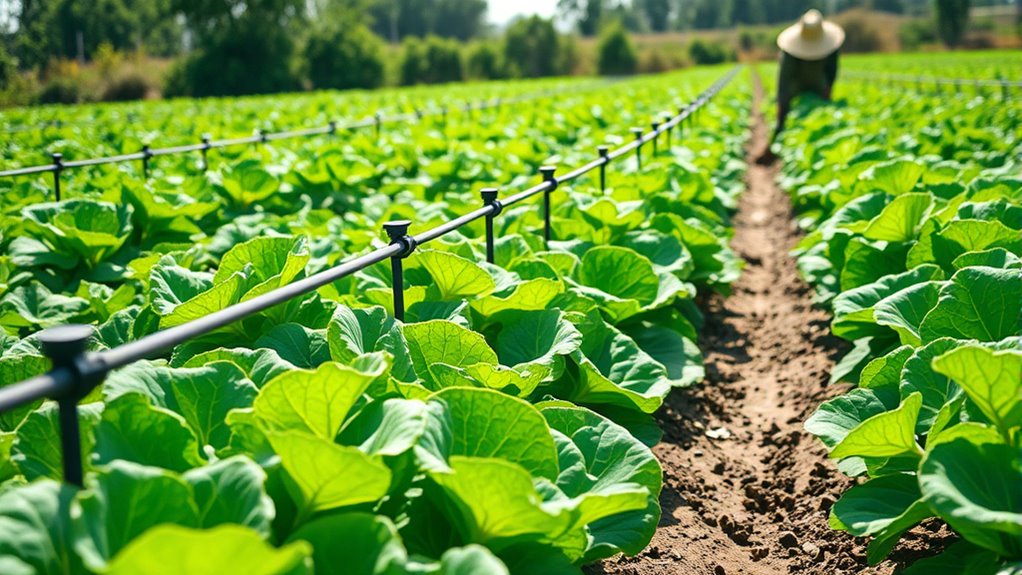
Have you ever wondered how much water farming consumes and why it matters? The truth is, agriculture is one of the largest water users globally, accounting for roughly 70% of fresh water withdrawals. This high usage has a direct climate impact, contributing to water shortages and environmental degradation. When you make plant-based choices that prioritize resource efficiency, you’re helping to reduce this strain. Understanding crop efficiency becomes essential in this context because it determines how well a plant converts water and nutrients into edible biomass. Crops with higher efficiency require less water to produce the same amount of food, making them better suited for sustainable farming practices.
Choosing water-efficient crops reduces environmental impact and supports sustainable farming practices.
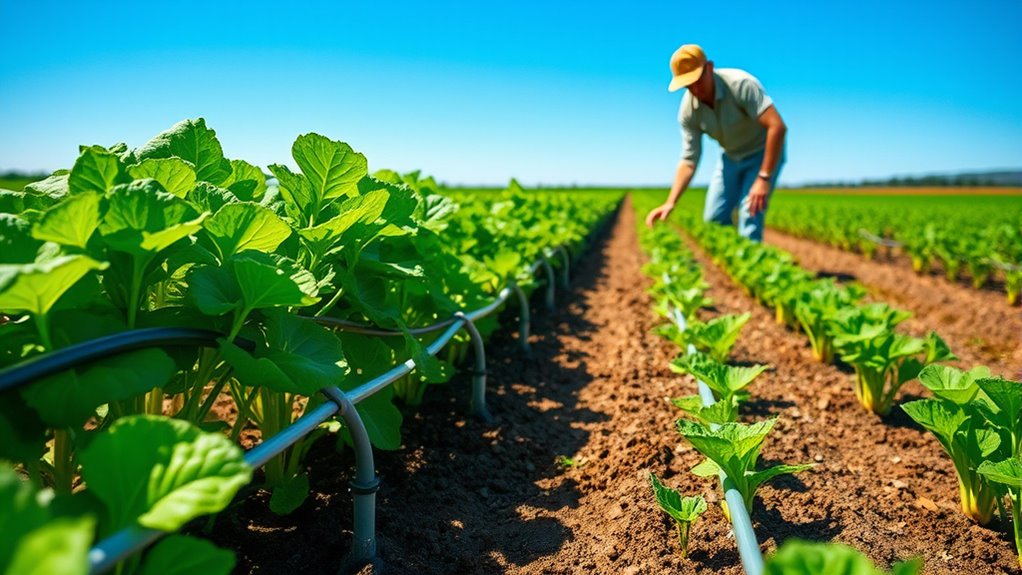
If you choose to support crops that are inherently water-efficient, you’re actively reducing the environmental footprint of your diet. For instance, selecting foods like legumes, grains, or certain vegetables that thrive with less water helps conserve critical freshwater resources. These crops often have deeper roots or adapt better to drought conditions, which means they can produce higher yields with less irrigation. This improved crop efficiency not only benefits the environment but also enhances the resilience of food systems against climate change. As global temperatures rise and water scarcity worsens, relying on water-efficient crops becomes a strategic move to guarantee food security.
Moreover, the climate impact of water-intensive crops like rice or cotton can be significant. They require vast amounts of water, often drawn from already stressed sources, exacerbating drought conditions and harming ecosystems. When you opt for more sustainable choices, you’re indirectly encouraging farmers to adopt practices that prioritize crop efficiency and minimize water waste. This shift can lead to more climate-friendly agriculture, reducing greenhouse gas emissions associated with water pumping and irrigation infrastructure.
In addition, water-efficient crops tend to adapt better to changing weather patterns, which are becoming more unpredictable due to climate change. By supporting these plant choices, you’re helping to stabilize food production and lessen the ecological damage caused by inefficient water use. The ripple effect extends beyond individual consumption, influencing agricultural policies and encouraging innovations in crop breeding and farming techniques.
Ultimately, your decisions matter. When you prioritize crop efficiency and support sustainable, water-smart agriculture, you’re contributing to a healthier planet. Less water waste means less energy spent on irrigation and water management, which directly cuts down on climate impact. So, the next time you’re shopping or planning meals, think about the water footprint behind your plant-based choices. Small changes in what you eat can lead to significant benefits for our environment and future food security.

codree 131 Ft Water Soluble Seed Tape, Quickly Dissolves in Water Planting Vegetable Seeds Tape, Biodegradable Water-Soluble Flower Plant Tapes for Gardening Labels Packaging
Fast Dissolve: It is made of water-soluble paper material and can dissolve in water within about 30 seconds….
As an affiliate, we earn on qualifying purchases.
As an affiliate, we earn on qualifying purchases.
Frequently Asked Questions
Which Specific Crops Consume the Most Water Globally?
You should know that rice and almonds are among the most water-intensive staples globally. These crops have high crop water footprints, meaning they require a lot of water to grow. When you choose plant-based options, you can help reduce water consumption, especially by avoiding or reducing these water-intensive staples. Making mindful choices about what you eat can considerably conserve water resources and promote sustainable agriculture.
How Does Water Usage Vary Between Organic and Conventional Farming?
You’ll find that water usage in organic farming often varies from conventional methods, primarily due to differences in sustainable irrigation practices. Organic farms tend to prioritize soil health and water conservation, reducing their crop water footprint. As a result, they usually use water more efficiently, conserving resources and minimizing environmental impact. By choosing organic, you support sustainable irrigation and help lower overall water consumption in agriculture.
What Role Do Genetically Modified Plants Play in Water Conservation?
Think of genetically modified plants as drought-resistant superheroes, saving water when it’s scarce. GM crops with drought tolerance are designed to use water more efficiently, reducing overall consumption. By boosting water efficiency, these crops help sustain yields during dry spells, conserving precious resources. You can see them as nature’s smart solutions, working behind the scenes to make sure agriculture stays resilient and water-wise even in tough conditions.
How Effective Are Drought-Resistant Crops in Reducing Overall Water Use?
Drought-resistant crops are highly effective at reducing overall water use. They require less irrigation because they’re bred to survive with minimal water, leading to significant water savings. By planting these crops, you help conserve water resources during drought conditions and reduce your farm’s reliance on supplemental watering. Overall, integrating drought-resistant crops into your agricultural practices can make a meaningful difference in sustainable water management.
Can Urban Farming Significantly Decrease Agricultural Water Demand?
Yes, urban farming can profoundly decrease agricultural water demand if you embrace urban sustainability practices like water recycling. Imagine transforming city spaces into green hubs that grow food efficiently, reducing reliance on distant water sources. When you incorporate water recycling, you conserve precious resources and support local food systems. This shift not only saves water but also creates resilient communities, making urban farming a powerful tool against water scarcity.

Drought Tolerant Wildflowers Mix – Bulk Quarter Pound Bag – Over 30,000 Open Pollinated Non-GMO Seeds – 21 Different Dryland Species
BULK ¼ POUND BAG contains over 30,000 fresh seeds, 100% Pure Live Seeds – Enough to cover over…
As an affiliate, we earn on qualifying purchases.
As an affiliate, we earn on qualifying purchases.
Conclusion
By choosing plant-based foods, you can make a real difference. Did you know that producing just one pound of beef requires about 1,800 gallons of water? Switching to plant-based options reduces water consumption considerably, helping conserve this essential resource. Every small change you make, like including more vegetables in your diet, adds up. Together, we can support sustainable agriculture and guarantee water availability for future generations. Your choices truly matter.

Park Seed Organic Garbanzo Bean Seeds – Heirloom Chickpea Variety, Cold-Tolerant and Nutrient-Rich, Ideal for Sprouting, Cooking, or Soil Health Improvement, 100 Days to Maturity – Pack of 150
As an affiliate, we earn on qualifying purchases.
As an affiliate, we earn on qualifying purchases.
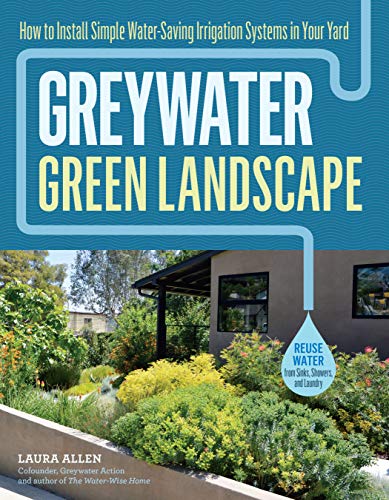
Greywater, Green Landscape: How to Install Simple Water-Saving Irrigation Systems in Your Yard
As an affiliate, we earn on qualifying purchases.
As an affiliate, we earn on qualifying purchases.